Kuari Pass Temperature and Weather Guide for Your Winter Trek
Trek Diaries

Kuari Pass Temperature and Weather Guide for Your Winter Trek

Quick answer: In winter (December to February), the Kuari Pass temperature is roughly 0°C to 9°C during the day and around -6°C to -15°C at night at the higher campsites. January is usually the coldest month. Snow normally settles from mid to late December and stays near the pass into March.

On a January morning at Khullara, your water bottle can be frozen solid. Three hours later you may be standing on Kuari Pass in bright sunshine, looking at Nanda Devi. That swing between freezing nights and sunny days is why the numbers matter before you pack.

Below: month-wise and campsite-wise temperatures, today's weather, snowfall timing and what to wear.

All temperatures in this guide are approximate. Mountain weather changes every year, so check the latest forecast before you travel.

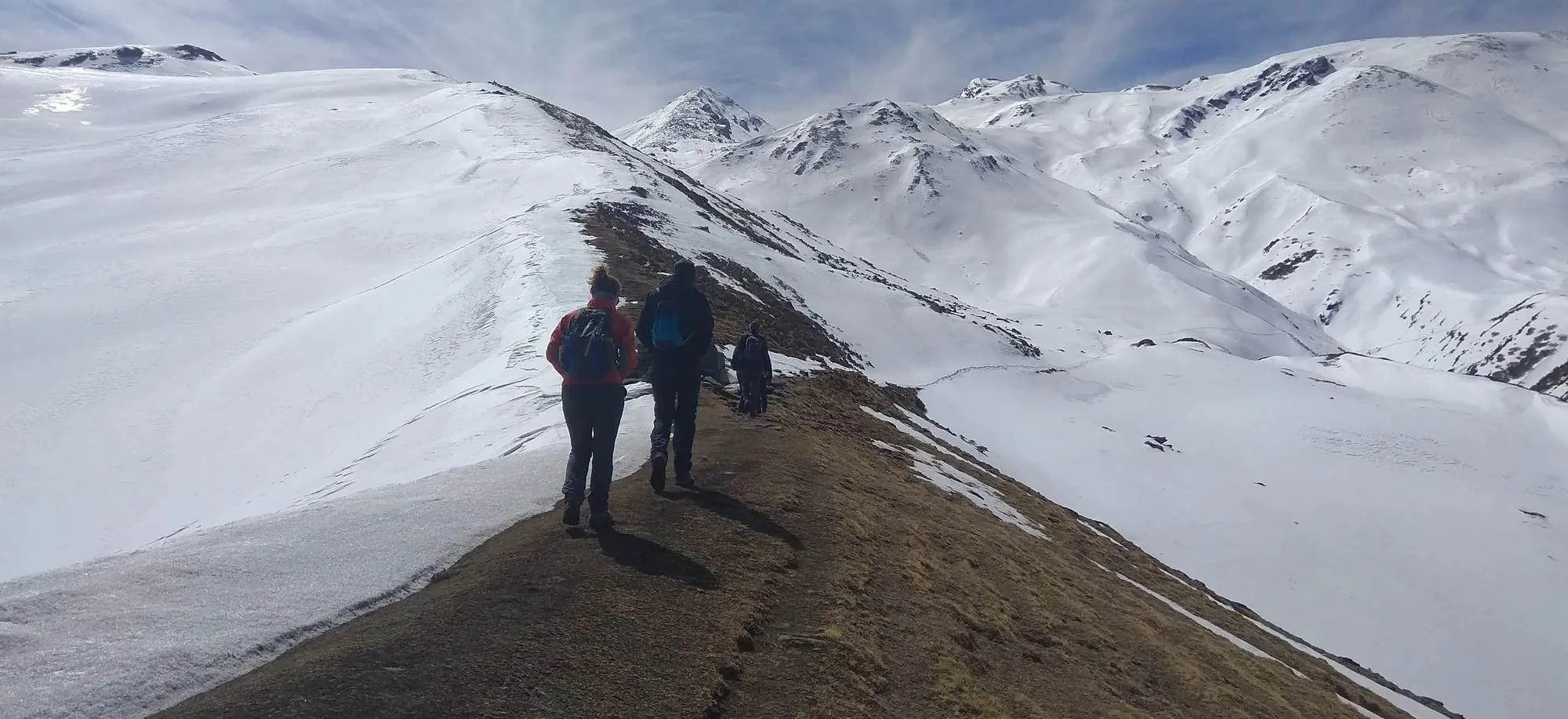
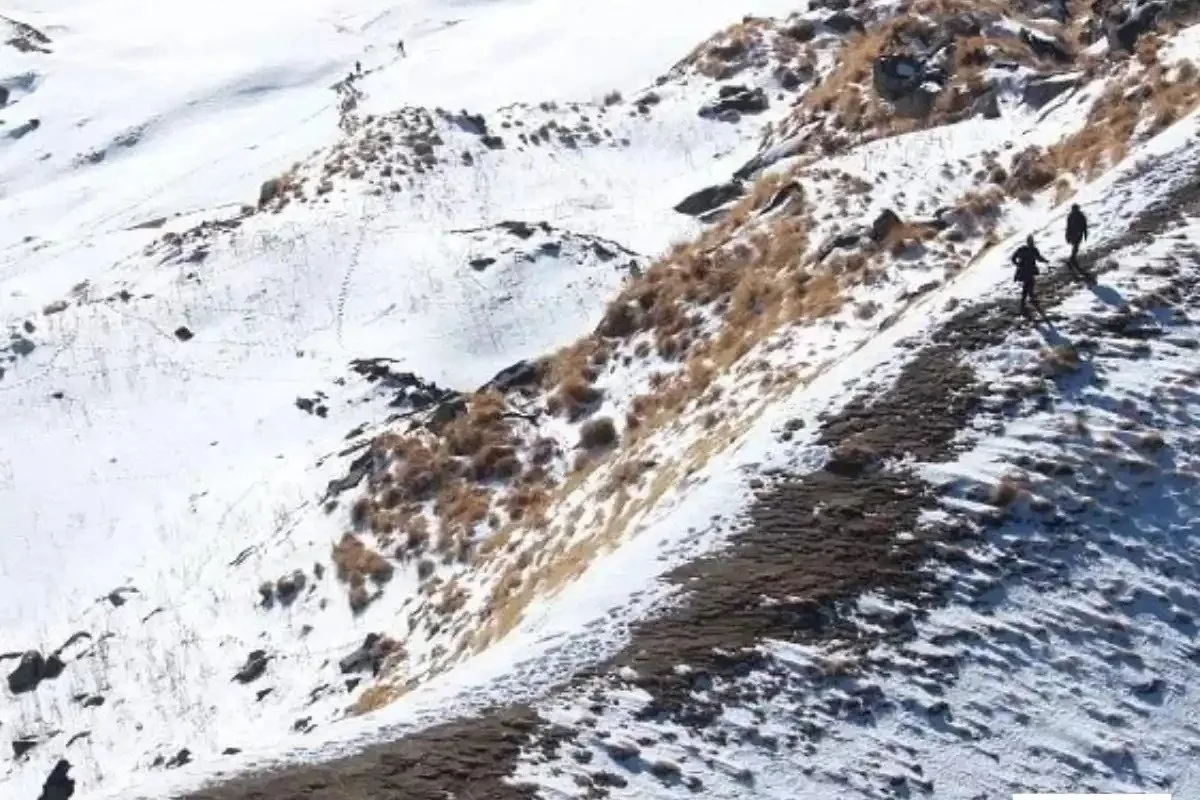
Trekkers walking across a snowfield on the Kuari Pass trek, where winter temperatures stay near or below freezing

Kuari Pass Trek at a Glance

  • Highest point: Kuari Pass, 12,532 ft (3,820 m)
  • Base town: Joshimath, Chamoli district, Uttarakhand (6,150 ft)
  • Route: Dhak, Guling, Khullara, Kuari Pass, Taali, then Auli via Gorson Bugyal
  • Duration: 6 days from Dehradun, with 4 days on foot
  • Drive: Dehradun to Joshimath, about 290 km
  • Difficulty: Moderate
  • Snow season: second half of December to February, with patches near the pass into March

For dates, inclusions and the day-wise plan, see the Kuari Pass trek itinerary.

Kuari Pass Temperature Today / Right Now: How to Check Live Weather

For the Kuari Pass temperature today, use the weather box at the top of Google or the India Meteorological Department (IMD). These readings describe a valley town, not your campsite.

  • Nearest reference point: Joshimath, the base town at 6,150 ft, is the most useful forecast location. When Google shows "Kuari Pass temperature today near Joshimath", that number is for the valley. Auli, where the trek ends, sits higher, so its readings are colder.
  • Official forecast: the IMD Meteorological Centre, Dehradun publishes Uttarakhand district forecasts and weather warnings. Kuari Pass falls in Chamoli district.

How to Read a Mountain Forecast

  • Adjust for altitude: air cools by about 2°C for every 1,000 ft. Take the Joshimath forecast and subtract roughly 6°C for Guling, 10°C to 11°C for Khullara and Taali, and about 13°C for the pass.
  • Check the wind: at -5°C, a 20 km/h wind feels like about -12°C on exposed skin.
  • Read rain as snow: winter rain in Joshimath usually means snow on the ridges.
  • Watch for western disturbances: these systems bring most winter snow, and IMD usually flags them a few days ahead. Treat 15-day app forecasts as a rough guide only.

Season check: in mid to late October, trail days are clear and mild (around 9°C to 14°C), and nights at the higher camps are around -2°C to 3°C.

Kuari Pass Trek Temperature Month by Month

The table shows approximate temperatures at Khullara and Taali, the two higher campsites (about 11,000 to 11,500 ft). Guling is a few degrees warmer, and the pass is colder, especially in the wind.

Month Day Night at camp
October 9 to 15°C -2 to 4°C
November 5 to 12°C -6 to 0°C
December 2 to 9°C -6 to -12°C
January 0 to 7°C -8 to -15°C
February 1 to 8°C -7 to -13°C
March 5 to 12°C -4 to 2°C
April 9 to 15°C -1 to 5°C
May to June 13 to 20°C 2 to 8°C

Kuari Pass Temperature in October and November

Autumn brings the cleanest air of the year, with Nanda Devi, Dunagiri and Kamet sharp on most mornings. Days are pleasant, but November nights at camp drop below zero.

Day: roughly 5°C to 15°C | Night at camp: around -6°C to 4°C

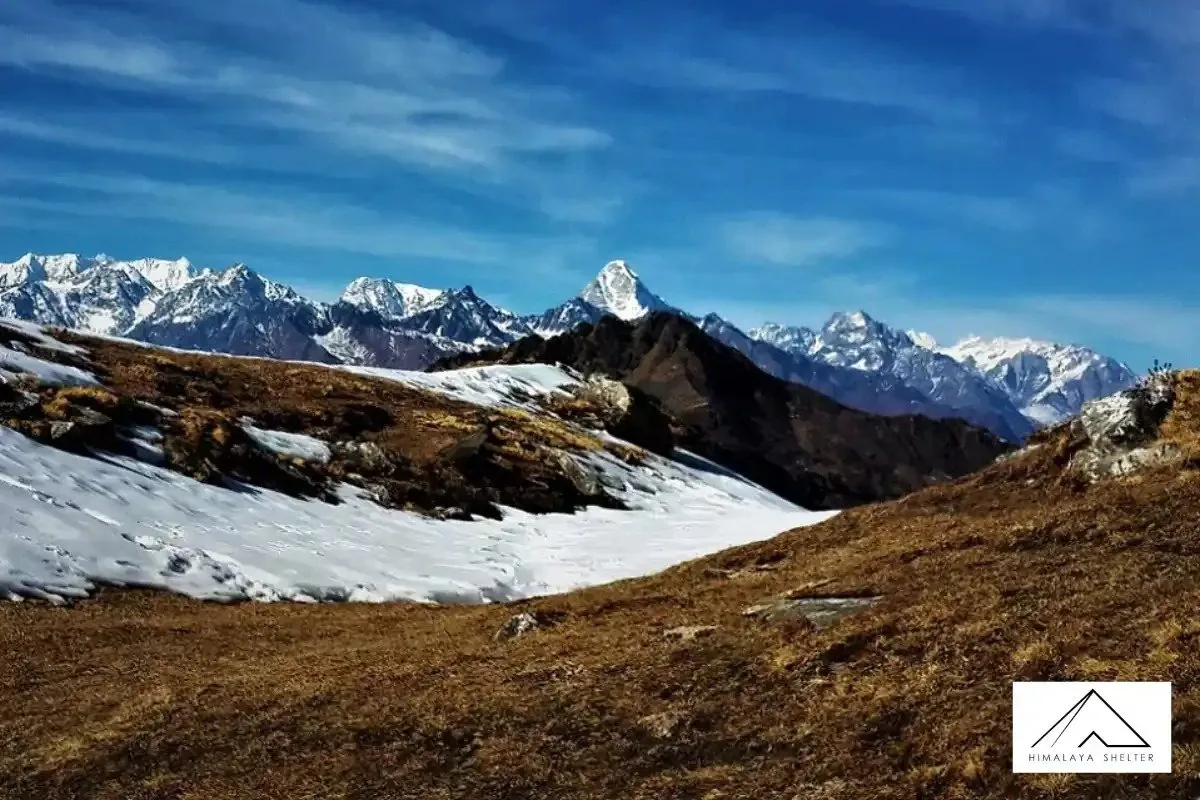
Clear blue sky over snow peaks and golden meadows, typical Kuari Pass weather in October and November

Kuari Pass Temperature in December

The Kuari Pass temperature in December drops below freezing every night at camp. Snow is not guaranteed early in the month; in most years it settles in the second half, and by December end the upper trail is usually white.

Day: roughly 2°C to 9°C | Night at camp: around -6°C to -12°C

Kuari Pass Trek Temperature in January

January usually brings the coldest Kuari Pass temperatures. Snow can cover the trail from Guling upwards, Gorson Bugyal turns white, and Taali lake is often frozen.

Day: roughly 0°C to 7°C | Night at camp: around -8°C to -15°C, colder on clear nights

Kuari Pass Temperature in February

February keeps January's cold, but the days are longer. Fresh snowfall spells are common, so the snow is often at its deepest.

Day: roughly 1°C to 8°C | Night at camp: around -7°C to -13°C

Kuari Pass Temperature in March (and April)

By March the snow melts on the lower trail while patches stay near the pass and on shaded slopes. In late March and April, the rhododendron (burans) forests bloom in red and pink.

March day: roughly 5°C to 12°C | Night at camp: around -4°C to 2°C

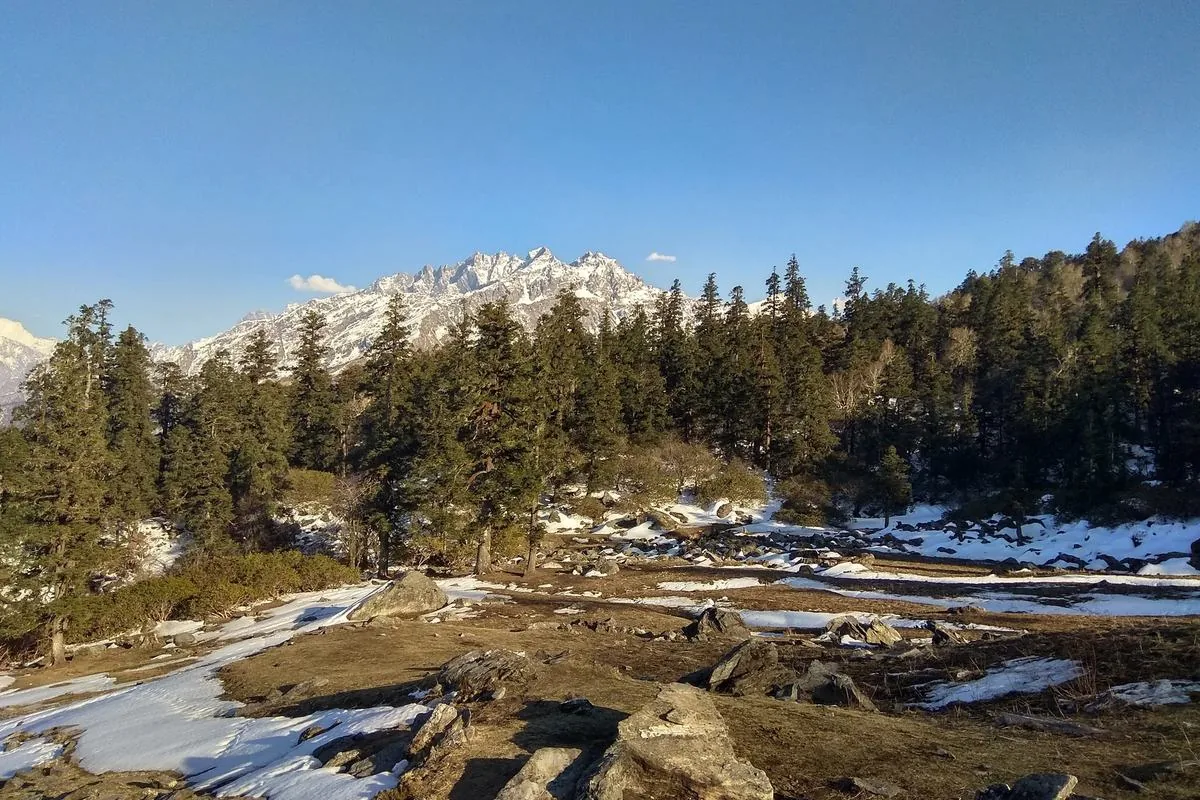
Melting snow patches in a forest clearing on the Kuari Pass trek, typical of the March temperature and weather

Summer and Monsoon

Kuari Pass weather in May and June is mild and green, with almost no snow. Avoid July and August, when heavy rain brings slippery trails and landslides on the road. From September, days are around 12°C to 18°C and nights around 3°C to 8°C.

Temperature in Kuari Pass at Each Campsite: Joshimath to Kuari Pass Top

The temperature in Kuari Pass depends as much on altitude as on the month. The pass is about 6,400 ft higher than Joshimath, so it can be roughly 13°C colder in still air, and colder still in wind.

Stop Winter day Winter night
Joshimath
6,150 ft (base town)
7 to 15°C -3 to 3°C
Guling camp
9,186 ft
2 to 10°C -4 to -9°C
Khullara camp
10,990 ft
0 to 9°C -7 to -13°C
Kuari Pass
12,532 ft (morning)
-6 to 2°C, colder in wind No camp
Taali camp
11,515 ft
0 to 8°C -8 to -15°C
Gorson Bugyal
about 10,800 ft
1 to 7°C, windy No camp

Taali, the highest camp, usually has the coldest night, and every camp is coldest around sunrise.

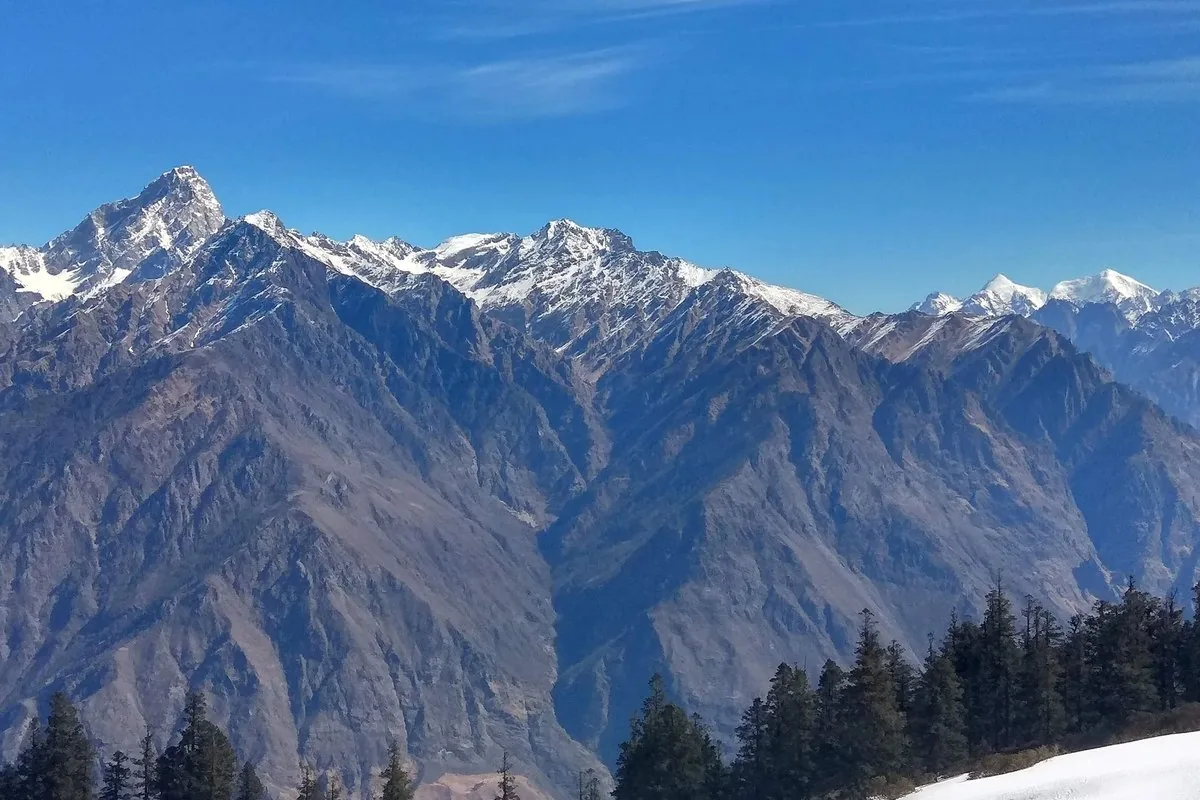
Snow peaks above the forest on the Kuari Pass trail, near the campsites where winter nights fall well below freezing

A January Day on the Kuari Pass Trail, Hour by Hour

Roughly how the temperature moves on summit day, from Khullara over Kuari Pass to Taali:

5:30 am, Khullara camp (around -12°C). You wake to frost inside the tent. The bottle you left outside is a block of ice; the one in your sleeping bag is fine.

6:30 am, leaving camp (around -10°C, feels like -17°C). A light 15 km/h breeze bites your cheeks, so every layer goes on.

8:00 am, the ridge below the pass (around -7°C, feels like -13°C). The first sun hits Dunagiri and Nanda Devi. Your fingers feel the wind the moment your gloves come off for a photo.

9:30 am, Kuari Pass top (around -4°C, feels like -11°C in a 25 km/h wind). In still sunshine it feels almost warm; when the wind gusts, zip your windproof jacket to the chin.

11:30 am, Chitrakantha, the flag hillock on the ridge (roughly 0°C to 3°C in the sun). Out of the wind, the down jacket goes into the bag and a fleece is enough.

1:30 pm, Taali camp (roughly 2°C to 6°C in the sun). Taali sits inside the forest, so the shade is cold even at midday.

3:30 pm, the sun leaves the camp (about -1°C and falling). Put your warm layers on before you feel cold.

7:00 pm, dinner (around -7°C). Hot soup in the dining tent, then into the sleeping bag early.

Midnight to dawn (around -10°C to -15°C). The coldest hours come just before sunrise.

What "feels like" means: wind strips heat from exposed skin, so the air feels colder than the thermometer says.

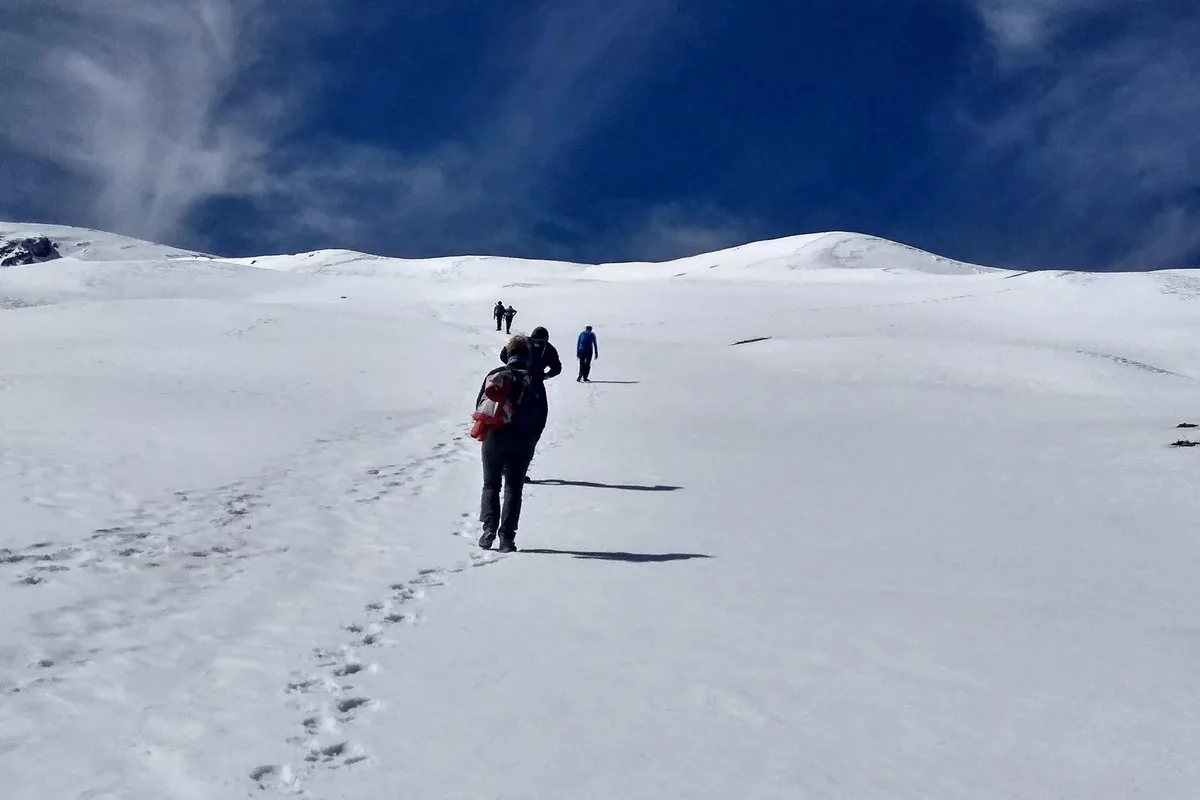
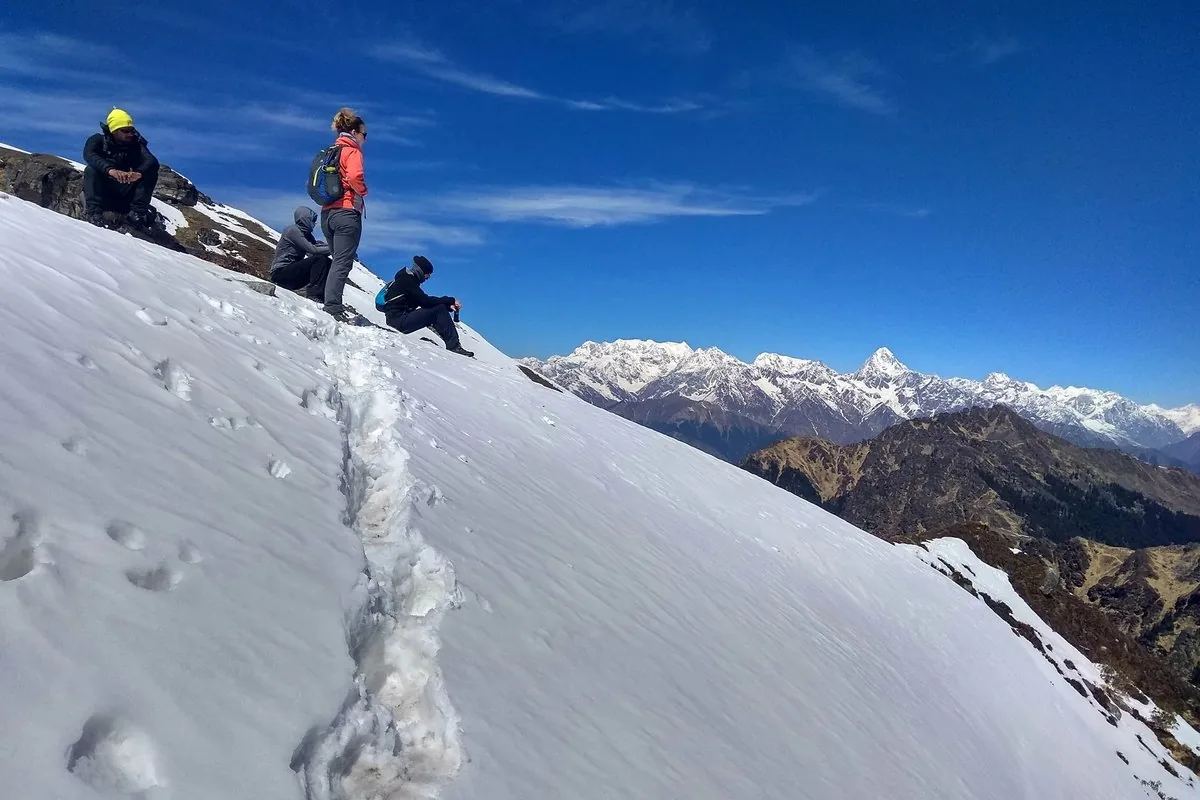
Trekkers resting on a snow slope near Kuari Pass top, where the winter temperature feels coldest in the wind

What This Temperature Means for You: Layers by Temperature Band

Thin layers trap heat better than one heavy jacket. Match them to the temperature you feel:

Feels like What to wear
Above 10°C
Sunny afternoons on the lower trail
Quick-dry t-shirt, light fleece, cap, sunglasses
0 to 10°C
Winter daytime walking
Thermal top, fleece, windproof jacket, light gloves
0 to -5°C
Mornings, evenings, windy ridges
Add a padded or down jacket, woollen cap and waterproof gloves
-5 to -10°C
Winter nights at Guling and Khullara
Full thermals, fleece, down jacket, buff or balaclava, two pairs of woollen socks
Below -10°C
Coldest nights at Taali, windy mornings on the pass
Every layer, windproof shell, inner and outer gloves, face covered

Himalaya Shelter provides sleeping bags made for harsh weather, foam mattresses, microspikes and gaiters. Full checklist: our guide to essential clothing for Himalayan winter treks.

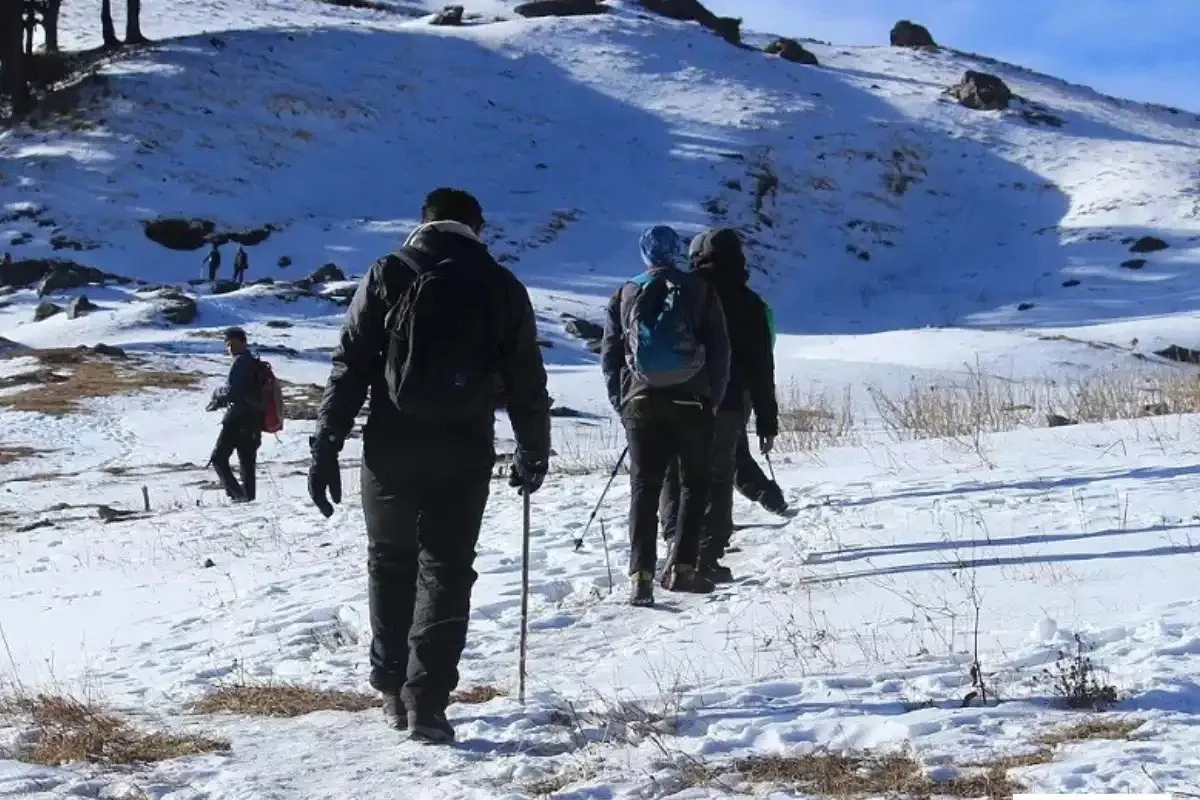
Trekkers in winter jackets and gloves walking through snow on the Kuari Pass trek in winter

Is There Snowfall in Kuari Pass?

Yes. Kuari Pass gets regular snowfall every winter, and it is one of the few pass treks in Uttarakhand that stays open in the snow season:

Period What to expect
Late November to early December Light snow possible near the pass; the trail is mostly dry and very cold
Mid to late December Snow usually settles around Khullara, Taali and the pass
January and February Peak snow, with fresh spells; Gorson Bugyal turns white and Taali lake often freezes
March Snow melts on the lower trail; patches stay near the pass and on shaded slopes
April Little snow left; rhododendrons in bloom

How deep is the snow? It changes every year. After a fresh spell, the ridge below the pass can hold roughly ankle- to knee-deep snow.

Can Heavy Snow Close Kuari Pass?

Yes, for a short time. In peak winter, the pass can close for 2 to 3 days after heavy snowfall. That is why the itinerary keeps a buffer day, and why your trek leader may change the plan if the snow is unsafe.

Snow-covered slopes and trekkers on the trail, showing the snowfall season at Kuari Pass

Which Month Is Best for Kuari Pass Trek?

It depends on what you want:

  • Maximum snow: January to February.
  • Your first snow trek: late December, for snow with slightly milder nights than January.
  • Clear mountain views: October and November.
  • Snow and sunshine together: early March, when the days warm up but patches remain near the pass.
  • Rhododendrons: late March to April.
  • Green meadows: May to June.
  • Avoid: July and August, the monsoon months.

Still deciding on winter? Read our top 5 reasons to choose the winter Kuari Pass trek.

How Difficult Is Kuari Pass Trek in Winter?

Kuari Pass is graded moderate, with no technical climbing. In winter, snow makes walking slower, and icy sections need microspikes. The longest day is summit day: about 10 km and 6 hours. The Kuari Pass trek page has the full difficulty notes and a 4-week fitness plan.

How Many Days Does the Kuari Pass Trek Take?

The trip takes 6 days from Dehradun, with 4 days on foot (Dhak to Guling, Khullara, Taali via the pass, and Auli). The first and last days are the 290 km drive to and from Joshimath. Day-wise plan: Kuari Pass trek itinerary.

Kuari Pass vs Brahmatal vs Kedarkantha: Temperature Compared

Trek (top) Highest camp Winter night
Kuari Pass
12,532 ft
Taali
11,515 ft
-8 to -15°C
Brahmatal
12,250 ft
Tilandi
10,495 ft
-6 to -12°C
Kedarkantha
12,500 ft
Base camp
10,100 ft
-6 to -12°C

Kuari Pass usually has the coldest nights of the three, because its highest camp sits about 1,000 to 1,400 ft above theirs. By day, all three feel similar. Details: Brahmatal trek and our Brahmatal temperature guide, the Kedarkantha trek, and our Kedarkantha vs Kuari Pass comparison.

Cold Safety on the Kuari Pass Trek

Early Signs of Hypothermia

Watch for constant shivering, clumsy hands, stumbling, slurred speech or confusion. Tell your trek leader at once, change into dry layers, get into a sleeping bag and sip a warm, sweet drink.

Early Signs of Frostbite

Fingers, toes, nose and cheeks are most at risk. Early signs are pins and needles, numbness and pale or white skin. Do not rub the area; warm it slowly against your body, for example hands in your armpits, and tell your trek leader.

Keep Your Water from Freezing

  • Sleep with your water bottle inside the sleeping bag.
  • Fill an insulated bottle with hot water from the kitchen tent each morning.
  • Keep drinking even when you do not feel thirsty; cold air dries you out.

Phone and Camera Batteries in the Cold

  • Cold drains batteries fast, so keep your phone in an inner pocket.
  • Keep spare batteries and your power bank in the sleeping bag at night. Joshimath is the last point with electricity.
  • Mobile networks (Vi, Airtel, BSNL and Jio) work at Joshimath, Dhak, Auli and a few trail points such as Guling and beyond Taali lake. Elsewhere, use airplane mode to save battery.

Trail Safety in Snow

  • Wear microspikes on hard, icy snow.
  • Start early, as the weather often turns cloudy in the afternoon.
  • The itinerary keeps a buffer day for bad weather. If it is used, it is paid for separately.
  • The nearest hospital, with basic facilities, is in Joshimath.
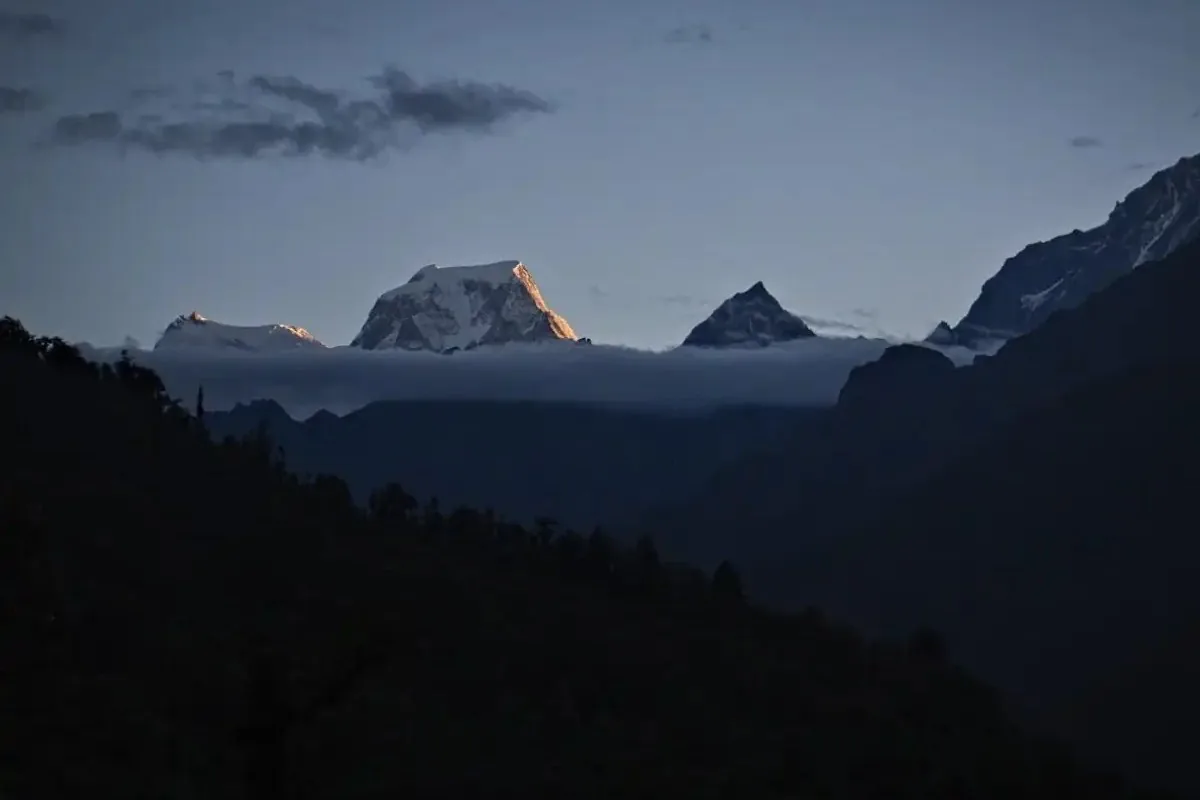
Evening light on Himalayan peaks above the Kuari Pass trail, when the temperature starts to drop fast

Final Thoughts

Kuari Pass rewards anyone who respects the cold: sub-zero nights from November to March, sunny days that feel warmer than the numbers, and a ridge where the wind decides how cold it really is. Pack in layers and check the Joshimath forecast before you leave.

Curious about the trail itself? Read why Kuari Pass is known as the Lord Curzon Trail, or follow a trek leader's notes from the Kuari Pass trail.

With Himalaya Shelter, you trek in a small group of up to 12 people, led by certified trek leaders trained in first aid. Tents, sleeping bags, microspikes, gaiters and meals are included, and if bad weather or health stops you from finishing, you can rejoin the same trek later at no extra fee. Check the available dates and book your Kuari Pass trek early, as each winter batch has only up to 12 seats.

Frequently Asked Questions

What is the temperature at Kuari Pass?

It depends on the month. In winter (December to February), days are roughly 0°C to 9°C and nights at the higher camps are around -6°C to -15°C. In October and November, days are about 5°C to 15°C with nights near or below zero. Summer days reach about 13°C to 20°C.

The pass itself always feels colder because of the wind.

Is there snowfall in Kuari Pass?

Yes. Kuari Pass gets regular snowfall every winter. Light snow is possible from late November, snow usually settles in the second half of December, and January and February bring the most reliable cover. Patches stay near the pass into March, making it one of Uttarakhand's best snow treks.

Timing changes every year, so check the forecast a week before you leave.

What is the Kuari Pass temperature in December?

In December, Kuari Pass temperatures are roughly 2°C to 9°C during the day and around -6°C to -12°C at night at Khullara and Taali. The pass, at 12,532 ft, feels colder because of the wind. Snow is not guaranteed early in the month but usually settles in the second half.

Pack a down jacket and thermals even for early December.

What is the Kuari Pass temperature in January?

January is usually the coldest month at Kuari Pass. Daytime temperatures are roughly 0°C to 7°C, and nights at the higher campsites drop to around -8°C to -15°C, sometimes lower on clear, windless nights. Snow typically covers most of the trail, and Taali lake is often frozen.

Wind on the ridge below the pass can make early mornings feel close to -18°C.

What is the lowest temperature in Kuari Pass?

The lowest temperature on the Kuari Pass trek is around -15°C, usually on clear January nights at Taali, the highest campsite at 11,515 ft. Early mornings on the pass can feel even colder in strong wind. Good sleeping bags, full thermals and a down jacket keep these nights manageable for most trekkers.

The lowest readings come just before sunrise.

How can I check the Kuari Pass temperature today?

For the Kuari Pass temperature today or right now, use Google's weather box or the India Meteorological Department's Uttarakhand forecasts, and look at Joshimath, the base town. Then subtract roughly 6°C for Guling, 10°C to 11°C for Khullara and Taali, and about 13°C for the pass, and allow for wind chill.

Treat rain in the Joshimath forecast as likely snow on the higher ridges.

Which month is best for Kuari Pass Trek?

For a snow trek, late December to February is the best time, with January and February usually giving the deepest snow. October and November offer the clearest mountain views without snow, while March and April bring melting snow and blooming rhododendrons. May and June are green and mild. Avoid July and August.

For a first snow trek, late December offers snow with slightly milder nights than January.

Is Kuari Pass trek open in December?

Yes. The Kuari Pass trek stays open in winter and is closed only in the monsoon months of July and August. In peak winter, the pass can close for 2 to 3 days after heavy snowfall, so Himalaya Shelter keeps a buffer day in the plan in case bad weather causes a delay.

Snow is more likely towards the end of December.

Is Kuari Pass trek difficult in winter?

Kuari Pass is a moderate trek with no technical climbing, and beginners with good fitness can do it in winter. You walk 5 to 10 km a day for 4 days, and the highest point is 12,532 ft. Snow makes walking slower and more tiring, so microspikes and a steady pace matter.

If you can walk 6 to 8 km a day on hilly terrain, you should manage well.