Winter Trekking Mistakes Beginners Should Avoid
Trek Diaries

Winter Trekking Mistakes Beginners Should Avoid

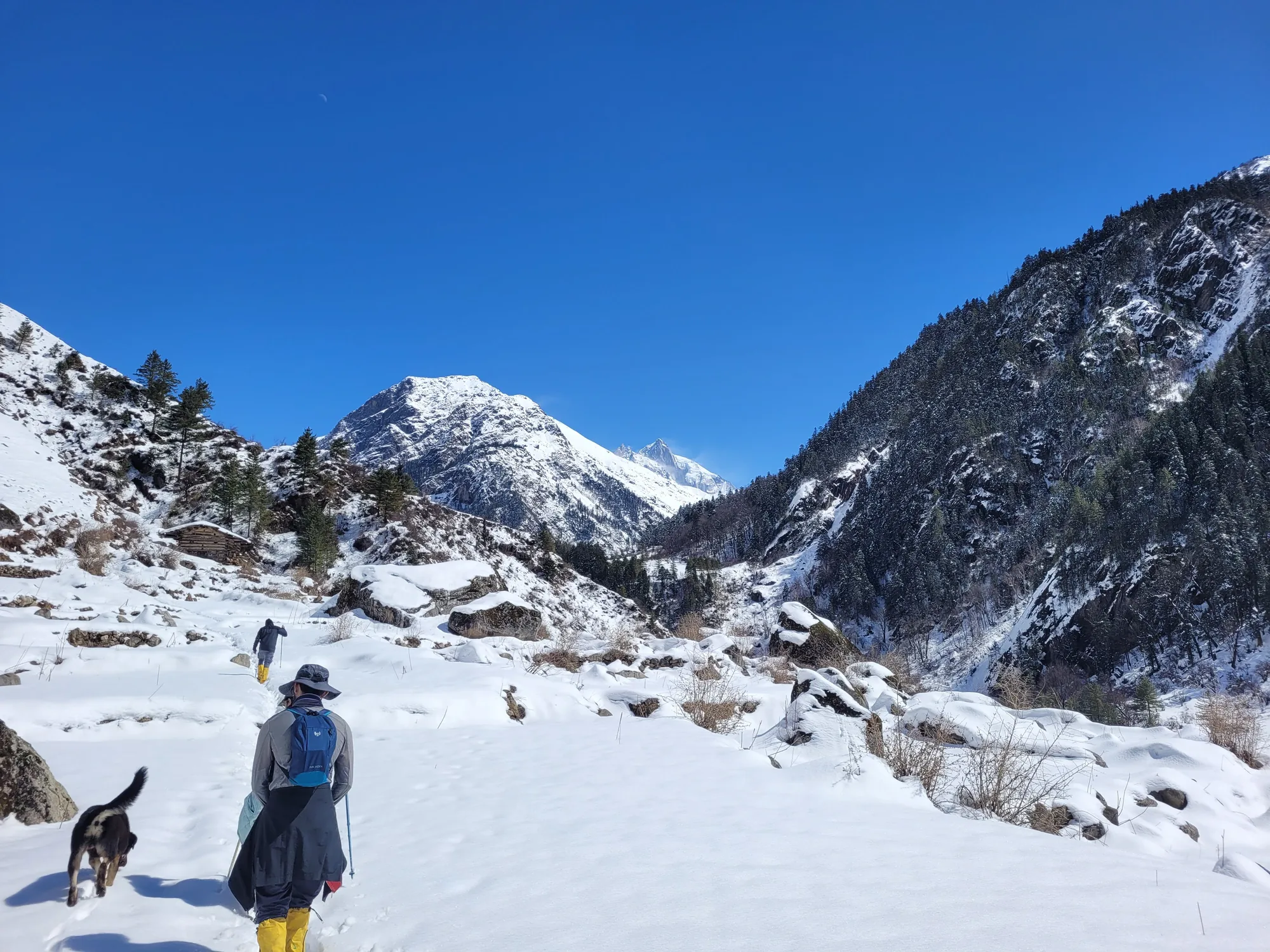
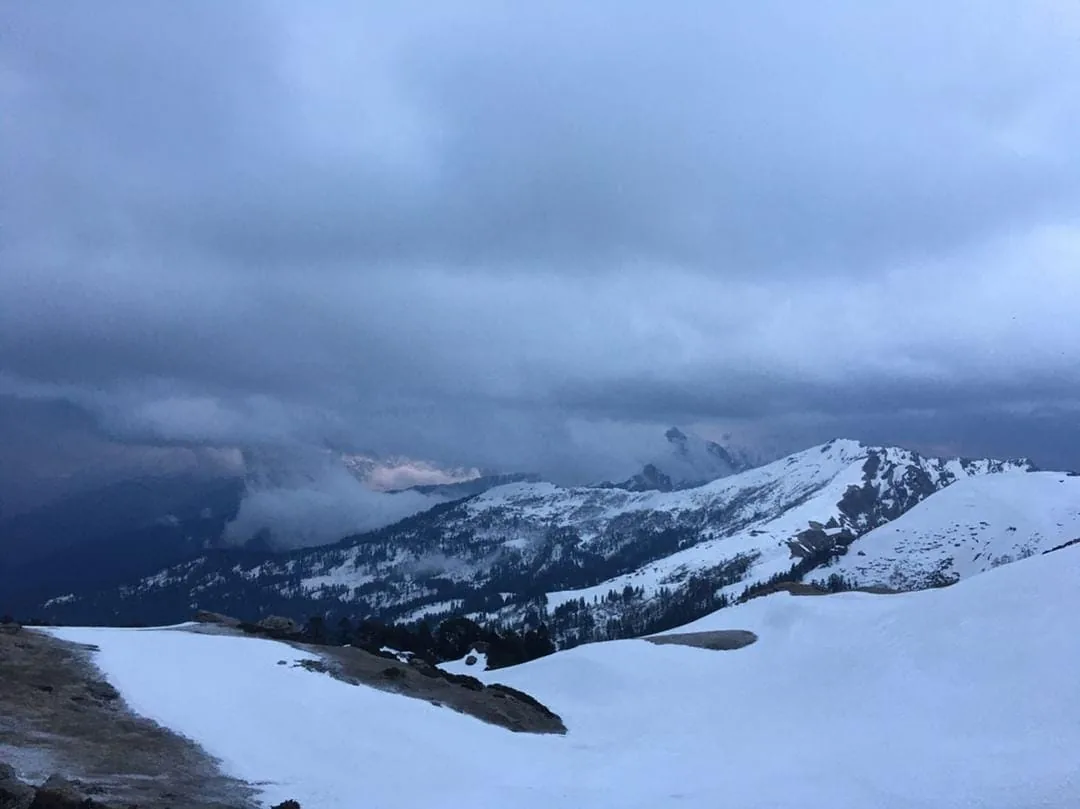
Winter trekking in the Himalayas is a completely different experience. Snow-covered trails, frozen streams, clear mountain views and quiet forests make winter treks incredibly beautiful. But the cold weather and changing trail conditions also make proper preparation important, especially if you are going on your first winter trek. 

Whether you are planning the popular Kedarkantha Trek, the scenic Brahmatal Trek, or a more challenging trail like Kuari Pass, avoiding common beginner mistakes can make your trek safer, more comfortable and much more enjoyable.

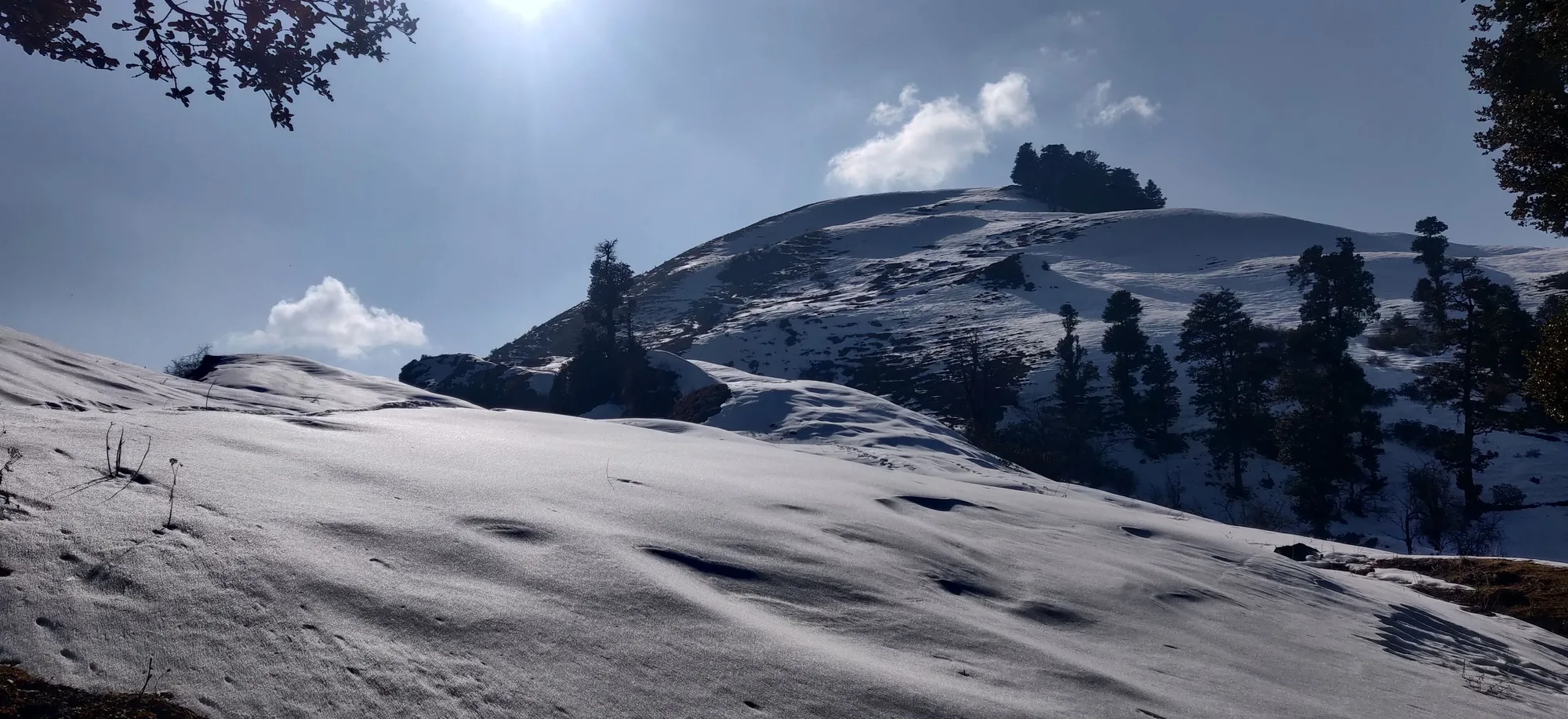
brahmatal trek in winter

Here are some of the most common winter trekking mistakes beginners should avoid.

1. Choosing A Trek Without Checking The Difficulty Level

One of the biggest and most common mistakes beginners make is choosing a trek only because it looks beautiful on instagram. Treks that may look easy in summer can become way difficult in winter due to snow.

Winter trails can become more difficult because of snow, ice, freezing temperatures and shorter daylight hours. A trek that feels moderate in another season may require more effort in winter.

For beginners, Kedarkantha, Dayara Bugyal Trek, and Aancha Top Trek are good options depending on weather and trail conditions. Treks like Kuari Pass or Ali Bedni Bugyal may require better fitness and preparation, particularly when snow covers parts of the trail.

Before booking a winter trek, check the altitude, distance, number of trekking days, and expected weather conditions. 

2. Wearing Too Many Heavy Clothes

It may seem logical to wear as many clothes as possible when trekking in winter, but wearing several heavy layers can make walking uncomfortable.

Instead, follow a proper layering system:

  • A moisture-wicking base layer

  • A warm fleece or insulating layer

  • A good-quality down or synthetic jacket

  • A waterproof and windproof outer layer

Layering allows you to remove or add clothing depending on your activity level and weather.

Remember, you may feel cold while standing at camp but start sweating quickly once you begin climbing.

3. Ignoring Proper Trekking Shoes

Regular sports shoes are not suitable for snowy Himalayan trails.

Winter trekking often involves snow, ice, mud, and slippery sections. Good trekking shoes with proper grip and ankle support can make a major difference.

Your shoes should be comfortable, waterproof or water resistant and suitable for cold conditions. Carrying good trekking socks is equally important because wet feet can quickly become uncomfortable in freezing temperatures. This becomes particularly important on snowy routes such as Gulabi Kantha, Kuari Pass and Ali Bedni Bugyal.

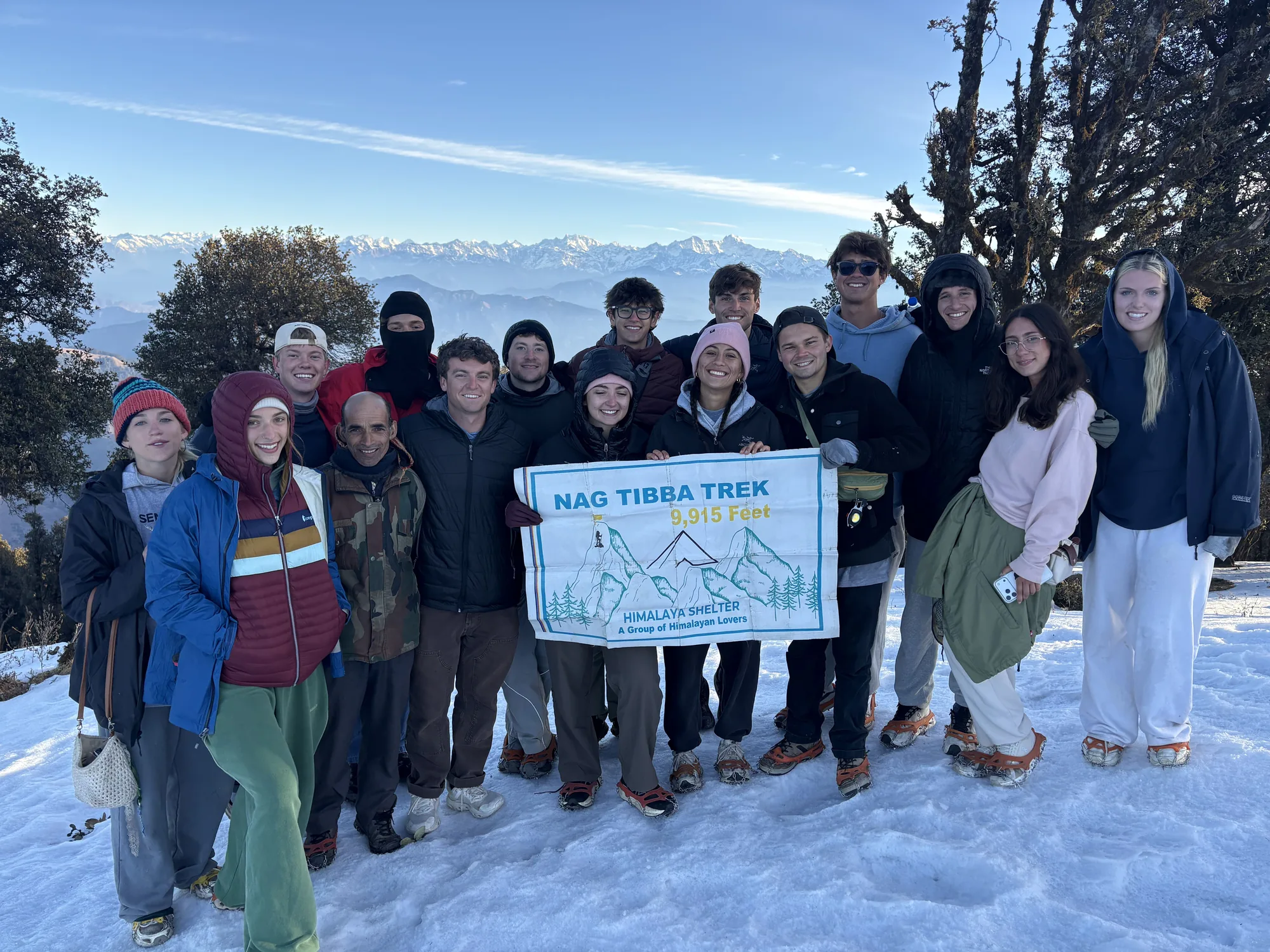
nag tibba trek

4. Not Carrying Enough Warm Accessories

A jacket alone is not enough to protect you from Himalayan winter temperatures.

Trek beginners often forget small but important items such as:

  • Woolen gloves

  • Warm socks

  • Woolen cap

  • Neck warmer or buff

  • Sunglasses

  • Thermal innerwear

  • Headlamp

  • Lip balm and moisturiser

Your hands, feet, ears and face lose heat quickly, so keeping these areas protected is essential.

5. Underestimating the cold

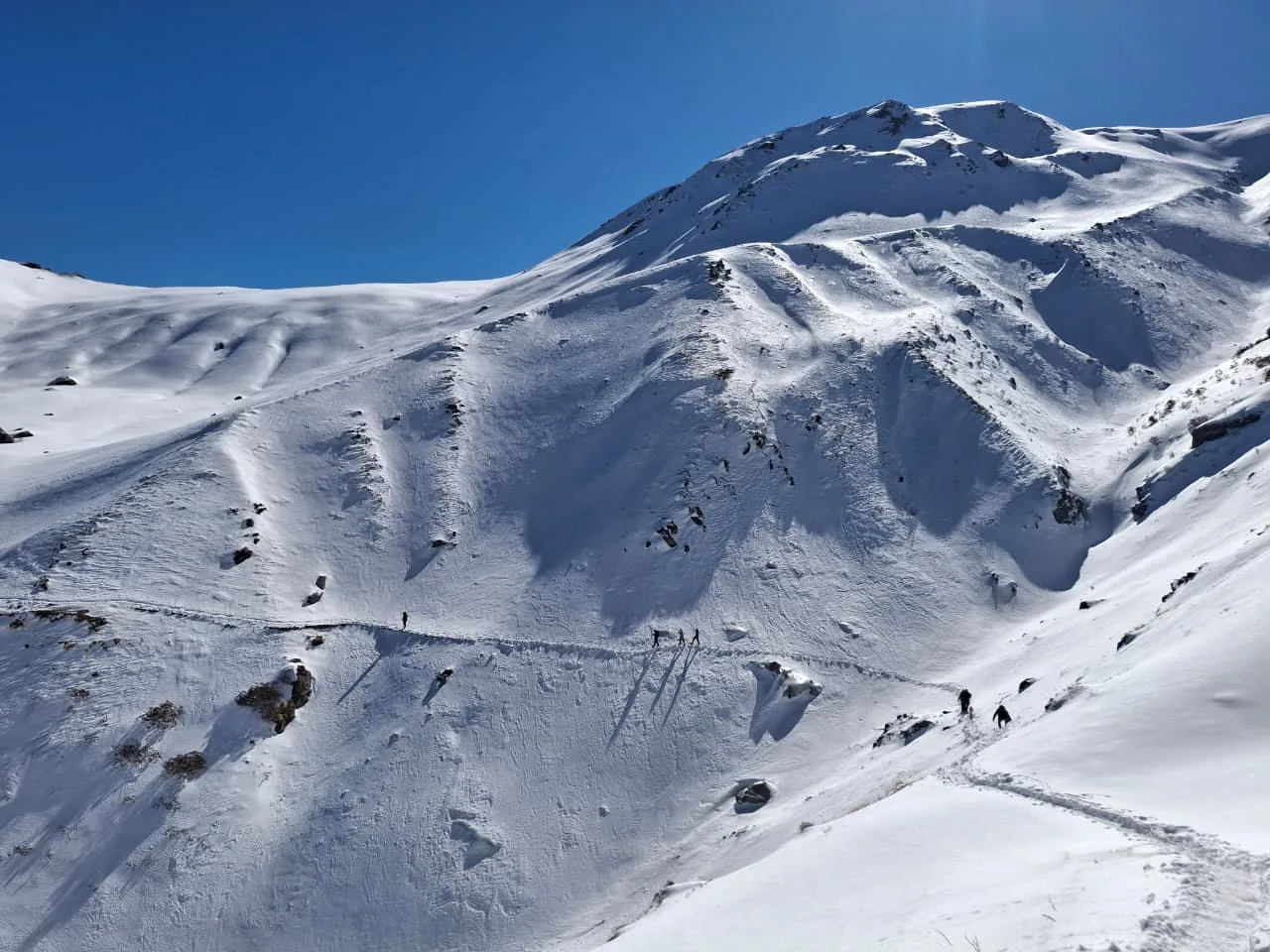
kuari pass trek

Many trekkers prepare themselves for the snow but forget about the actual cold. The temperature can drop significantly after sunset and during early morning hours. At higher camps, strong winds can make it feel even colder.

Do not rely only on weather conditions in your city when preparing for a winter trek. Mountain weather can change quickly.

Treks such as Dodital Trek and Dayara Bugyal Trek can offer beautiful winter landscapes, but you still need proper cold weather clothing and equipment. 

6. Not Preparing Physically

You do not need to be an athlete to go trekking, but basic fitness is important.

Winter trekking involves walking uphill and downhill for several hours, often while carrying a backpack. Snow can make the same trail more tiring because your feet may sink into it or slip on icy sections.

Start preparing at least a few weeks before your trek.

You can include:

  • Brisk walking

  • Jogging

  • Stair climbing

  • Squats

  • Lunges

  • Basic strength exercises

Regular walking with a small backpack can also help your body adjust to trekking conditions.

7. Carrying an Extremely Heavy Backpack

Another common mistake is packing everything you think you might need.

A heavy backpack can make climbing much harder and put unnecessary pressure on your shoulders, knees and back.

Pack only the essentials. Your trekking operator usually provides or arranges several items such as camping equipment, meals and technical equipment, depending on the trek package.

Before leaving, check the packing list and avoid carrying unnecessary clothes, gadgets or toiletries.

8. Forgetting Sun Protection

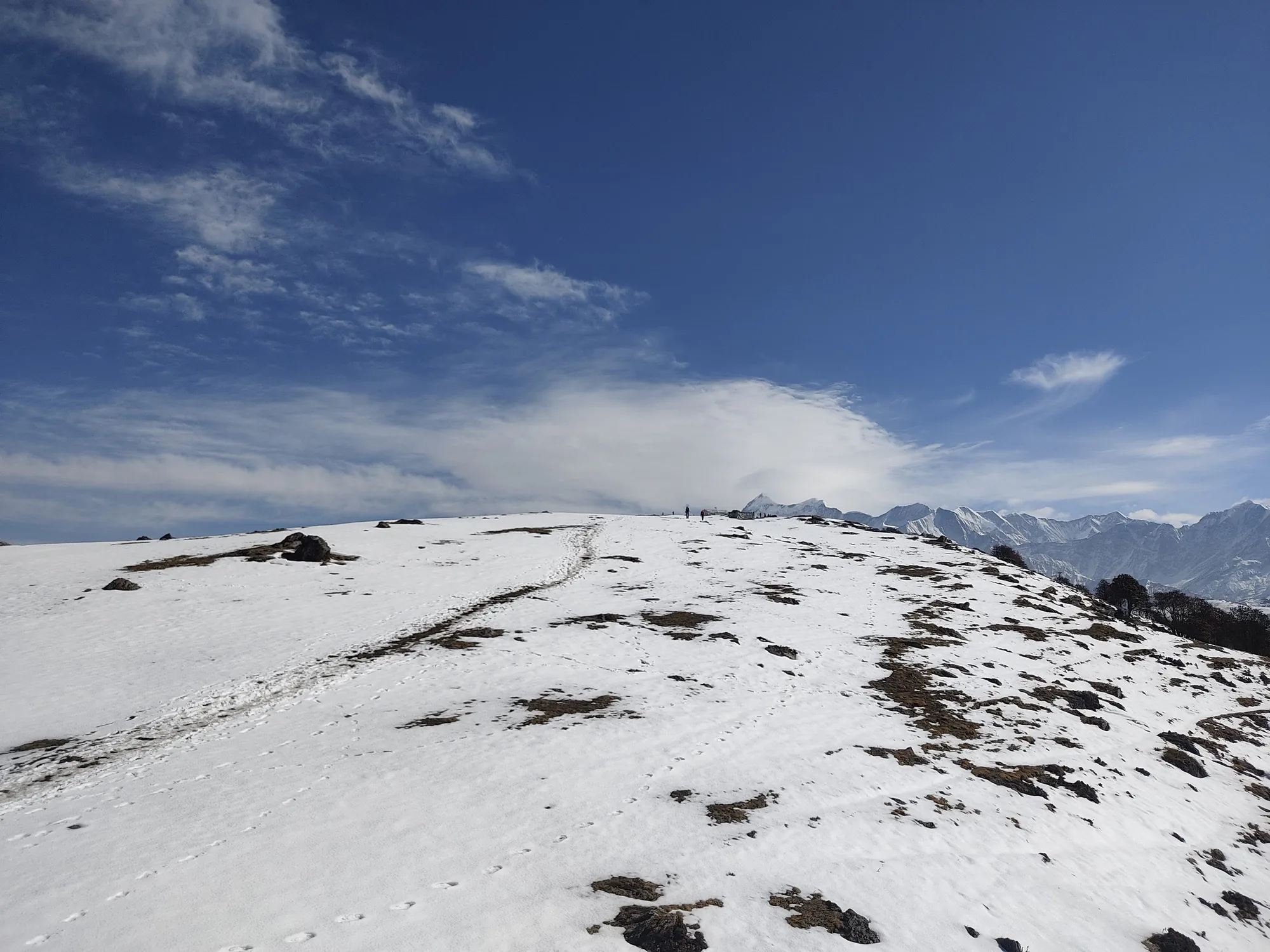
sun in winter trekking

Winter does not mean you can skip sunscreen.

At high altitudes, UV exposure can be strong, and snow can reflect sunlight. This can lead to sunburn even when the temperature feels extremely cold.

Carry:

  • Sunscreen

  • Sunglasses with good UV protection

  • Lip balm with SPF

  • A cap or hat

Apply sunscreen regularly, especially to your face, neck and other exposed areas.

9. Not Drinking Enough Water

Because you sweat less in cold weather, you may not feel as thirsty as you do during summer. This often causes beginners to drink less water.

However, staying hydrated is just as important during a winter trek.

Drink water regularly throughout the day. Keep your water bottle insulated if temperatures are expected to fall below freezing, as water can freeze at higher camps.

Good hydration can also help you feel more energetic while trekking at altitude.

10. Walking Too Fast

Many beginners start the trek with too much excitement and walk faster than they should.

Winter trekking is not a race. Walking at a steady pace helps conserve energy and allows your body to adjust gradually to the altitude. 

11. Ignoring Signs of Altitude Sickness

Altitude sickness should never be taken lightly.

Headache, dizziness, nausea, unusual tiredness and difficulty sleeping can be some of the warning signs.

Do not try to push through severe symptoms just because you want to complete the trek.

Inform your trek leader or guide immediately if you feel unwell. Proper acclimatisation, hydration and a gradual ascent are important parts of staying safe at high altitude.

12. Not Checking The Weather Before The Trek

winter trekking mistakes beginners should avoid

Mountain weather can change quickly during winter. Snowfall, strong winds, low temperatures and poor visibility can affect trekking conditions. Before starting your trek, check the latest weather and trail conditions with your trek operator or local guides.

This is especially important for higher-altitude routes such as Kuari Pass and Ali Bedni Bugyal.

A flexible mindset is important. Sometimes a trek schedule may need to change because of weather or trail conditions.

13. Ignoring the Importance of Good Sleep

After a long day of trekking, getting proper rest is essential.

Cold temperatures can make sleeping difficult, especially for beginners who are not used to sleeping in tents during winter.

Use a good sleeping bag, wear dry thermal layers and keep your sleeping clothes separate from your trekking clothes.

Avoid going to sleep in wet or sweaty clothes because they can make you colder during the night.

14. Not Carrying Personal Medicines and Basic Essentials

Always carry your personal medicines and any medication you regularly need.

A small personal medical kit can also include basic essentials such as:

  • Bandages

  • ORS

  • Basic pain relief medication

  • Antiseptic

  • Blister protection

  • Personal prescription medicines

Do not depend entirely on someone else carrying something you may need.

15. Treating Snow Like a Playground

Snow looks beautiful, but it can also be unpredictable.

Avoid running, jumping or wandering away from the marked trail just to take photographs. Snow can hide uneven ground, rocks, holes and icy patches.

Always follow the instructions of your trek leader and stay with your group.

This is particularly important on snowy sections of trails such as Kedarkantha, Kuari Pass and Nag Tibba.

16. Ignoring Environmental Responsibility

The Himalayas are fragile, and winter trekking can put additional pressure on mountain ecosystems.

Do not leave plastic wrappers, tissues, bottles or other waste on the trail. Carry your waste back and avoid disturbing wildlife or vegetation.

Respect local communities, forests and water sources.

Beautiful winter landscapes should remain clean for the trekkers who come after you.

17. Not Researching the Trek Before Booking

Before booking any winter trek, spend some time understanding what you are signing up for.

Research:

  • Trek difficulty

  • Maximum altitude

  • Trek distance

  • Duration

  • Starting point

  • Temperature

  • Expected snow conditions

  • Fitness requirements

  • Equipment provided

  • Permits and inclusions

For example, Dayara Bugyal is known for its beautiful meadows and winter landscapes, while Dodital offers a different experience with forests, mountain trails and the famous lake. Kedarkantha is popular among beginners because of its scenic winter trail and summit experience.

Understanding the trek beforehand helps you prepare according to the actual conditions.

Final Thoughts

Winter trekking can be one of the most memorable ways to experience the Himalayas, but beautiful snow-covered trails also come with their own challenges. The key is to prepare properly, respect the mountains and understand your own limits.

Choose a trek according to your fitness and experience, pack smartly, wear proper winter gear and always listen to your trek leader.

Whether you choose Kedarkantha, Dayara Bugyal, Aancha Top, Dodital, Kuari Pass or Ali Bedni Bugyal, the goal should not simply be to reach the summit or campsite. It should be to enjoy the mountains safely and responsibly.

With the right preparation, your first winter trek can become an experience you will remember for years.

Frequently Asked Questions

What are the common mistakes beginners make on a winter trek?

Common mistakes include choosing a difficult trek without preparation, wearing unsuitable shoes, carrying too much luggage, ignoring hydration, not checking weather conditions and underestimating the cold. Proper clothing, fitness and preparation can make winter trekking much safer and more comfortable.

Which winter trek is best for beginners?

Kedarkantha and Dayara Bugyal are popular choices for beginners, depending on current snow and weather conditions. Aancha Top can also be considered by trekkers looking for a relatively less crowded winter experience. Always check the latest trail conditions before booking.

What should I wear for a winter trek?

Use a layering system with thermal innerwear, a warm fleece or insulating layer and a waterproof and windproof outer layer. Also carry warm gloves, woollen socks, a cap, neck warmer and suitable trekking shoes.

Is winter trekking safe for beginners?

Winter trekking can be safe for beginners when the trek is suitable for their fitness level and they are properly equipped. Weather, snow conditions and altitude can make trails more challenging, so following the instructions of an experienced trek leader is important.

Do I need to train before a winter trek?

Yes. Basic cardiovascular and leg strength training can make winter trekking much easier. Regular walking, stair climbing, jogging, squats and lunges can help prepare your body for long hours of walking on mountain trails.

Is Kedarkantha a good winter trek for beginners?

Kedarkantha is one of the most popular winter treks for beginners because of its scenic snow-covered trails and rewarding summit experience. However, winter conditions can vary, so trekkers should still prepare properly and follow safety instructions.

What should I avoid carrying on a winter trek?

Avoid unnecessary clothes, heavy toiletries, excessive gadgets and other items that add weight to your backpack. Carry only what is mentioned in the trek's recommended packing list and keep your backpack as light as practical.