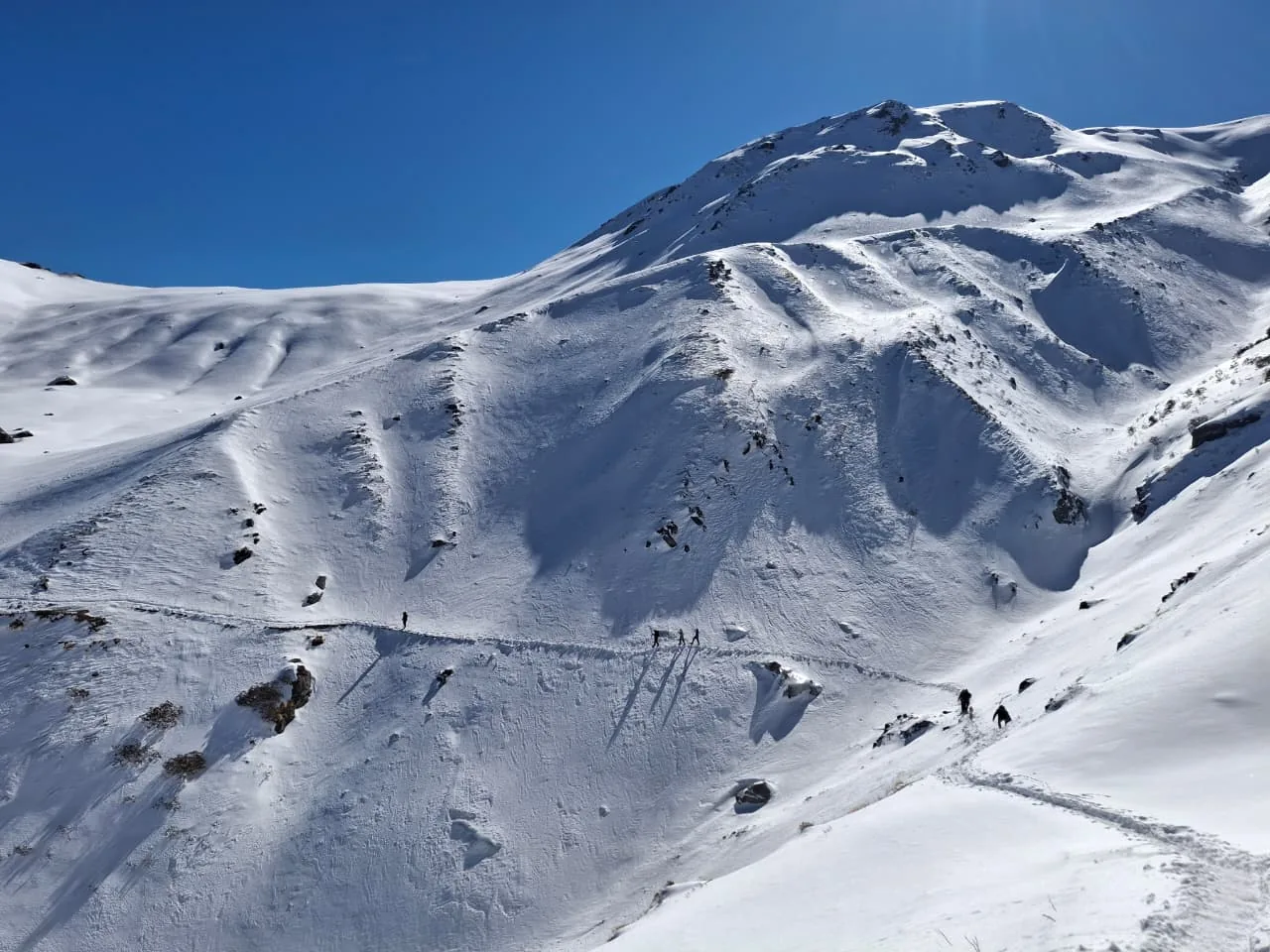
1. How do I choose my first Himalayan trek?
Choose your first Himalayan trek based on your fitness level, trekking experience, altitude, duration, season, and preferred landscape. Beginners should generally start with an easy or moderate trek that matches their fitness and comfort level. Consider factors such as trail difficulty, weather, altitude gain, and trekking distance before booking.
2. What is the best Himalayan trek for beginners?
The best Himalayan trek for beginners depends on fitness, season, and personal preferences. Popular beginner-friendly options include Nag Tibba, Dayara Bugyal, Har Ki Dun, Kedarkantha, and Phulara Ridge. These treks offer different experiences, from short weekend hikes to longer Himalayan journeys, allowing beginners to choose according to their preparation and available time.
3. How fit do I need to be for a Himalayan trek?
You need a reasonable level of fitness for a Himalayan trek, but you do not need to be an athlete. Beginners should be comfortable walking for several hours and climbing uphill for sustained periods. Regular walking, stair climbing, jogging, and cardio workouts for a few weeks before the trek can improve endurance and prepare your body.
4. How many days should my first Himalayan trek be?
A 3–7 day Himalayan trek is a practical choice for beginners. Short treks such as Nag Tibba can fit into a weekend, while treks like Dayara Bugyal, Kedarkantha, and Har Ki Dun offer a longer mountain experience. Choose the duration based on your fitness, available leave, travel time, and trekking experience.
5. What is the best season for a first Himalayan trek?
The best season for your first Himalayan trek depends on the destination and experience you want. Spring and autumn generally offer pleasant trekking conditions and clear mountain views on many routes. Summer is suitable for several high-altitude treks, while winter is ideal for snow trekking if you are prepared for colder temperatures and snow-covered trails.
6. Can beginners do a Himalayan trek in winter?
Yes, beginners can do selected winter Himalayan treks, but conditions can be more challenging because of snow, freezing temperatures, and slippery trails. Choose a trek suited to beginners and prepare with appropriate winter clothing, footwear, and fitness training. Guided winter treks can also provide additional support with route navigation and changing mountain conditions.
7. Should I choose a Himalayan trek based only on difficulty?
No. Trek difficulty is important, but it should not be the only factor when choosing a Himalayan trek. Also consider altitude, altitude gain, distance, duration, season, weather, trail conditions, and your fitness level. A trek classified as easy or moderate may still feel challenging if you are not properly prepared for high-altitude trekking.
8. How do I prepare for my first Himalayan trek?
Start preparing for your first Himalayan trek several weeks in advance. Include regular walking, stair climbing, jogging, and cardio exercises to build endurance and leg strength. Practice carrying a daypack and gradually increase your walking distance. Good preparation helps you handle long walking days, uphill sections, and changing Himalayan terrain more comfortably.
9. Is it safe to go on a Himalayan trek with a trekking company?
Going with an experienced Himalayan trekking company can provide support with guides, route planning, accommodation, meals, transportation, and emergency situations. Before booking, check the operator's trekking experience, safety practices, reviews, group size, and inclusions. Beginners may find an organized trek more convenient, especially on high-altitude or longer Himalayan routes.
10. Can I do my first Himalayan trek solo?
Yes, but beginners should carefully consider the route, season, altitude, and trail conditions before trekking alone. Joining a guided group trek can provide navigation, logistical support, and assistance during unexpected situations. Solo travellers can also consider customized or private trekking options if they prefer a more personalized Himalayan trekking experience.
11. What should I check before booking my first Himalayan trek?
Before booking your first Himalayan trek, check the trek difficulty, altitude, duration, distance, season, fitness requirements, itinerary, inclusions, exclusions, and safety arrangements. Also research the trekking company and understand what support is provided during the trek. Choosing a trek that matches your fitness and experience can make your first Himalayan trekking experience more comfortable.
12. Can I customize my first Himalayan trek?
Yes, many Himalayan treks can be planned as customized or private treks based on your preferred dates, group size, pace, and requirements. Customized trekking can work well for families, friends, couples, and solo travellers. Before booking, discuss your fitness level, preferred itinerary, accommodation, transportation, and other requirements with the trekking operator.