Is premium trekking necessary for winter treks?
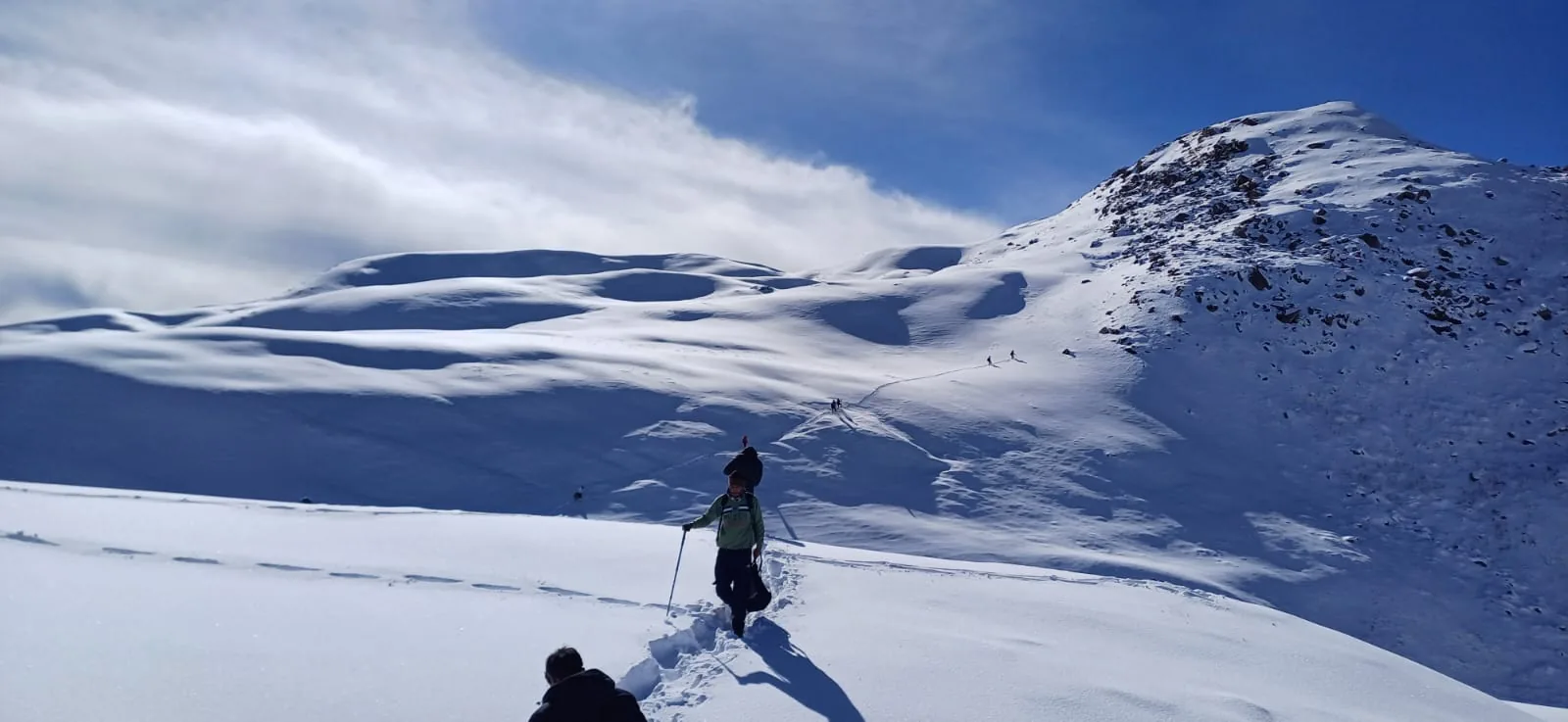
Winter trekking requires more specialised equipment and preparation than many summer treks. Good tents, suitable sleeping bags, proper winter clothing, experienced trek leaders and well-managed campsites can improve comfort and help the team handle cold and snowy conditions responsibly.
What type of tent is best for winter trekking?
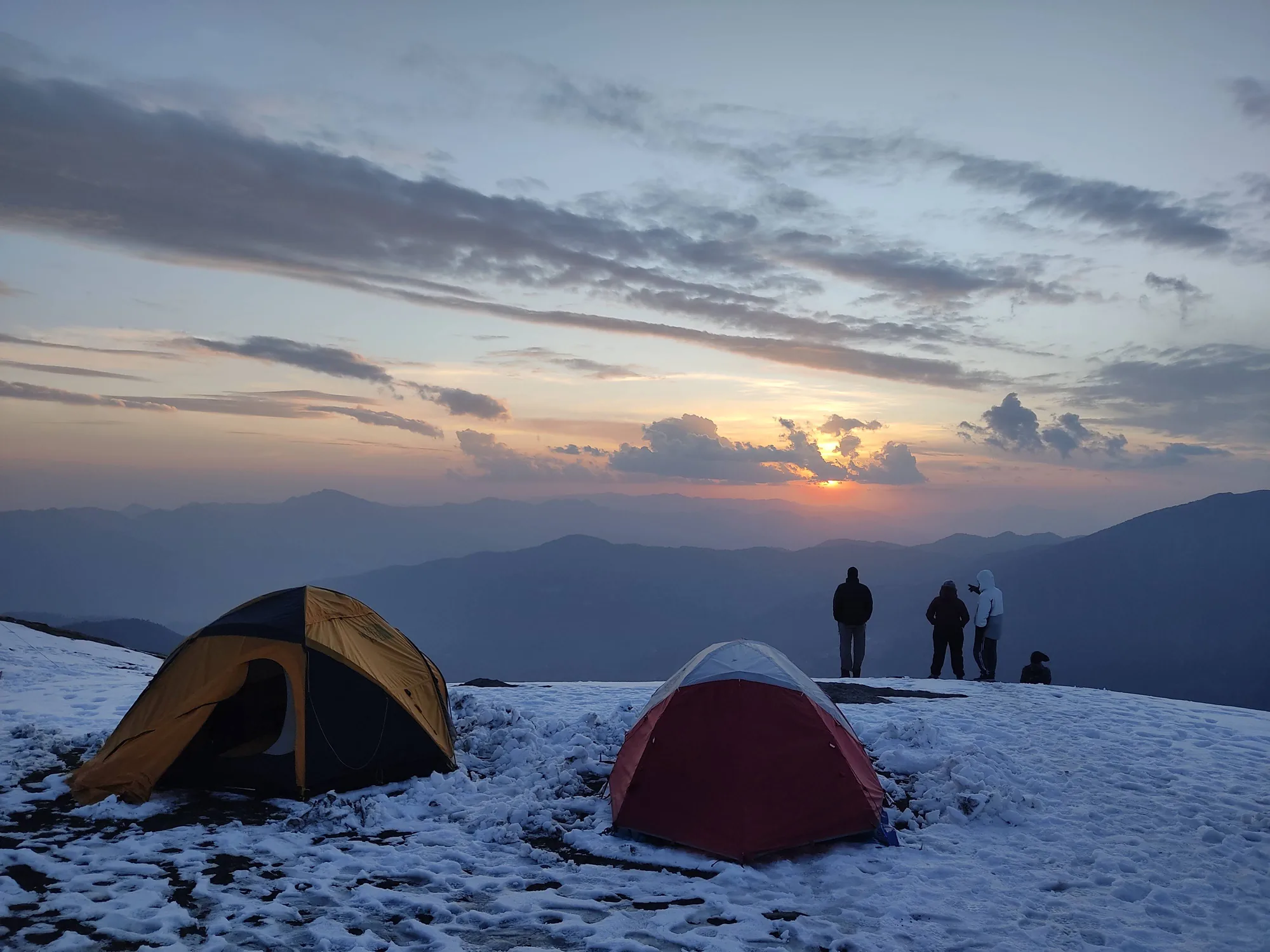
Winter trekking tents should be sturdy, weather-resistant and suitable for the expected snow and wind conditions. The exact tent required depends on the altitude, route, snowfall and weather conditions of the trek.
What sleeping bag is needed for a winter trek?
A winter sleeping bag should be suitable for the expected overnight temperatures of the trek. Trekkers should check the temperature rating before choosing or renting a sleeping bag.
What winter gear should I carry for a Himalayan trek?
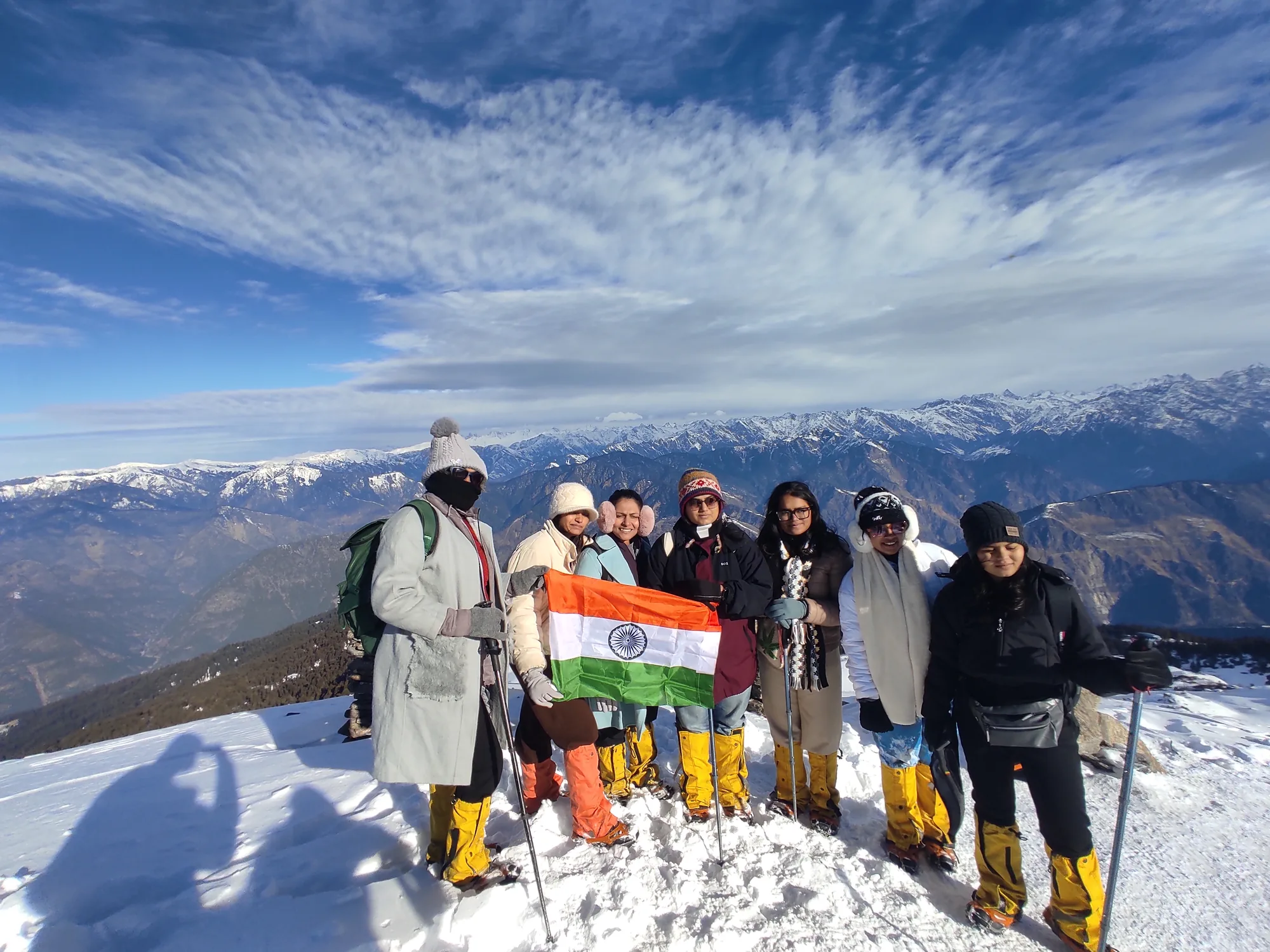
Essential winter trekking gear can include thermal layers, fleece, a down jacket, waterproof outer layers, warm socks, gloves, a warm cap, suitable trekking shoes, sunglasses, gaiters and trekking poles. The exact list depends on the trek and weather conditions.
Are winter treks safe?
Winter treks can be undertaken safely with appropriate preparation, suitable equipment, experienced staff and responsible route management. Weather and snow conditions can change, so itineraries may sometimes need to be adjusted.
Should I buy winter trekking gear or rent it?
It depends on how frequently you trek. If you regularly go on winter or high-altitude treks, buying quality equipment may make sense. For occasional trekkers, renting suitable winter gear can be a practical option.
What should I check before booking a premium winter trek?
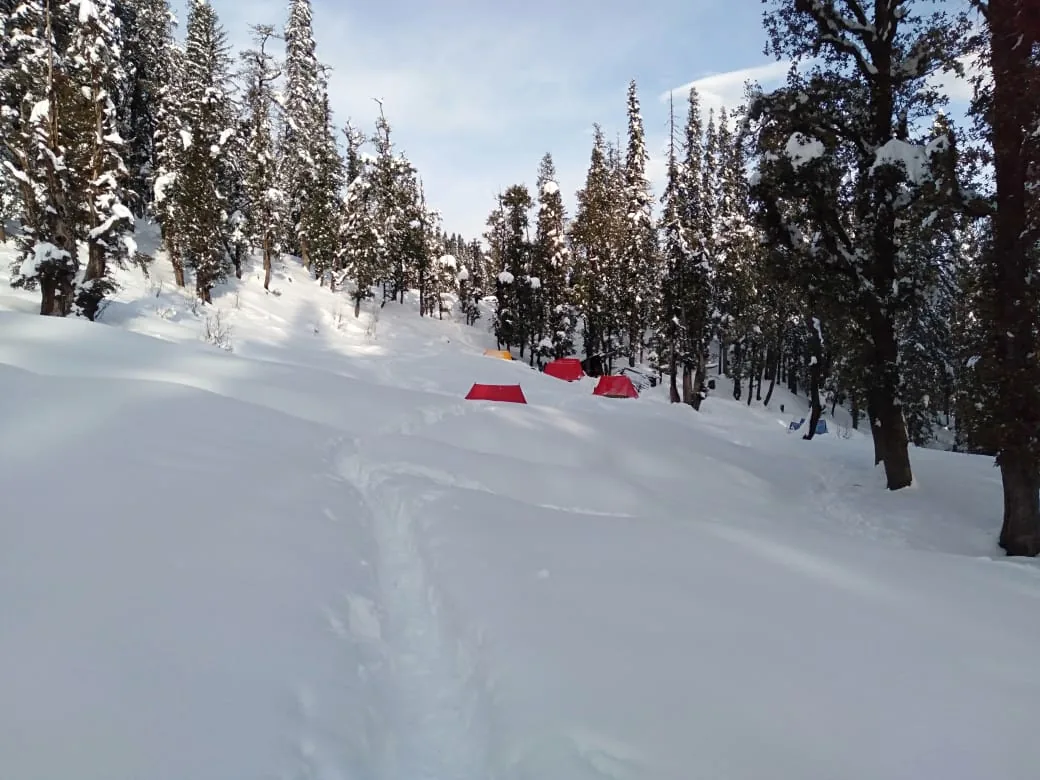
Check the type of tents and sleeping bags provided, winter gear availability, food, campsite arrangements, trek leader experience, safety equipment, group size, inclusions and the company's approach to changing weather conditions.