44. What should I pack for Har Ki Dun Trek?
Carry comfortable trekking clothes, thermal wear, a waterproof jacket, trekking shoes, warm socks, gloves, sunglasses, sunscreen, a water bottle, personal medicines and toiletries. A headlamp, power bank and rain protection are also useful. Pack according to the season and avoid carrying unnecessary weight.
45. Which shoes are best for Har Ki Dun Trek?
Good-quality trekking shoes with ankle support, a comfortable fit and a reliable grip are recommended. The trail includes uneven surfaces, rocky sections, forest paths and potentially slippery patches. Avoid wearing new shoes directly on the trek. Break them in beforehand to reduce the risk of blisters.
46. Is Har Ki Dun Trek suitable for families?
Har Ki Dun can be a suitable family trekking experience for families with physically fit members and older children who can manage long walking days. Parents should assess their children's endurance and comfort with mountain conditions. A private or customised departure may also be worth considering for families.
47. Can I carry my own backpack during Har Ki Dun Trek?
Yes, trekkers can carry their personal backpacks throughout the trek. If you prefer to walk with a lighter daypack, Himalaya Shelter provides an offloading option for personal luggage of up to 12 kg at an additional charge, according to its published package information. Confirm availability and charges before booking.
48. Is Har Ki Dun better than Kedarkantha Trek?
Har Ki Dun and Kedarkantha offer different Himalayan trekking experiences. Har Ki Dun is known for its ancient villages, long valley trails, alpine meadows and cultural experiences. Kedarkantha is famous for its summit climb and winter snow landscapes. The better option depends on your fitness, preferred scenery, season and trekking interests.
49. Can I visit Har Ki Dun during the monsoon season?
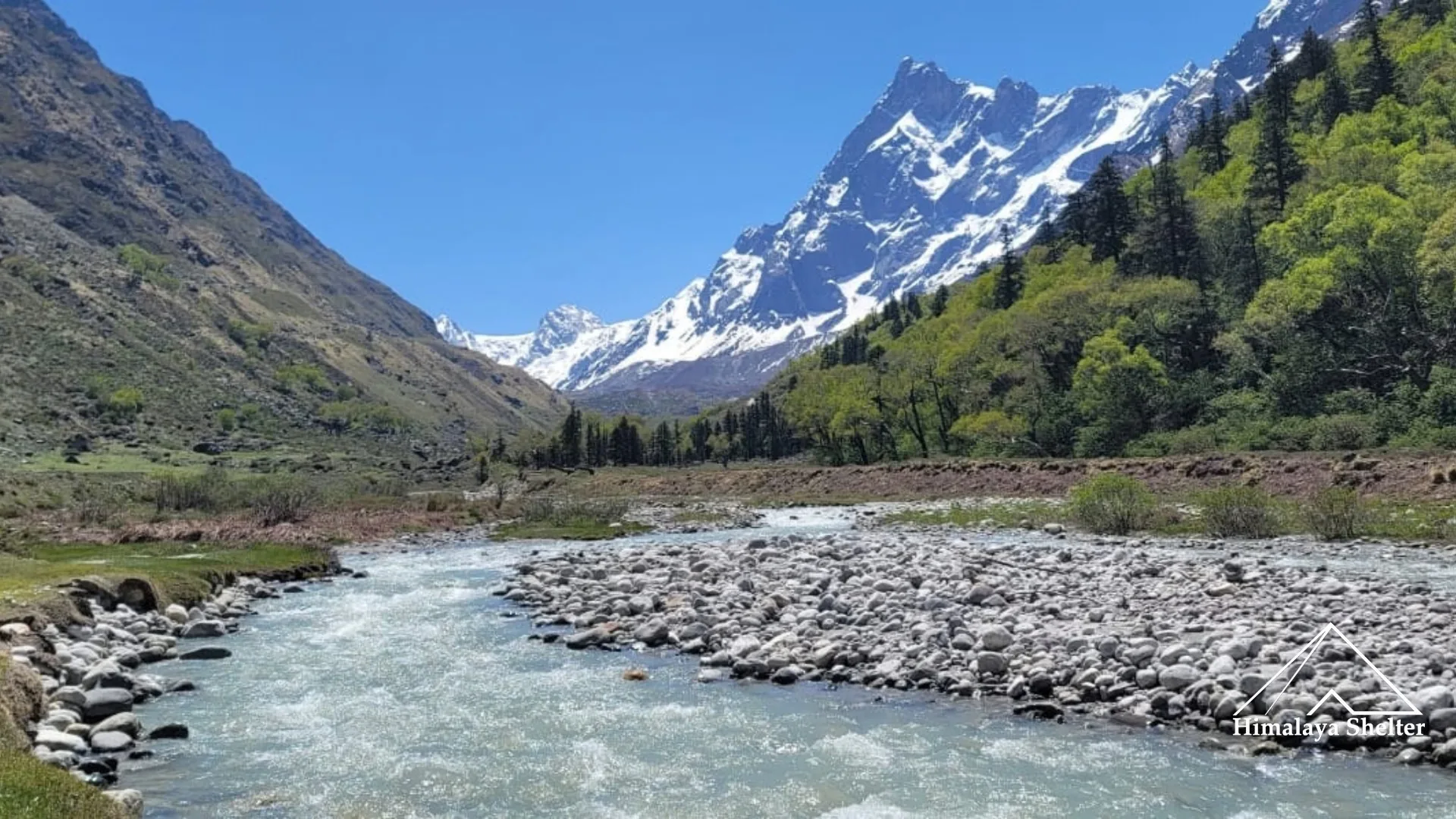
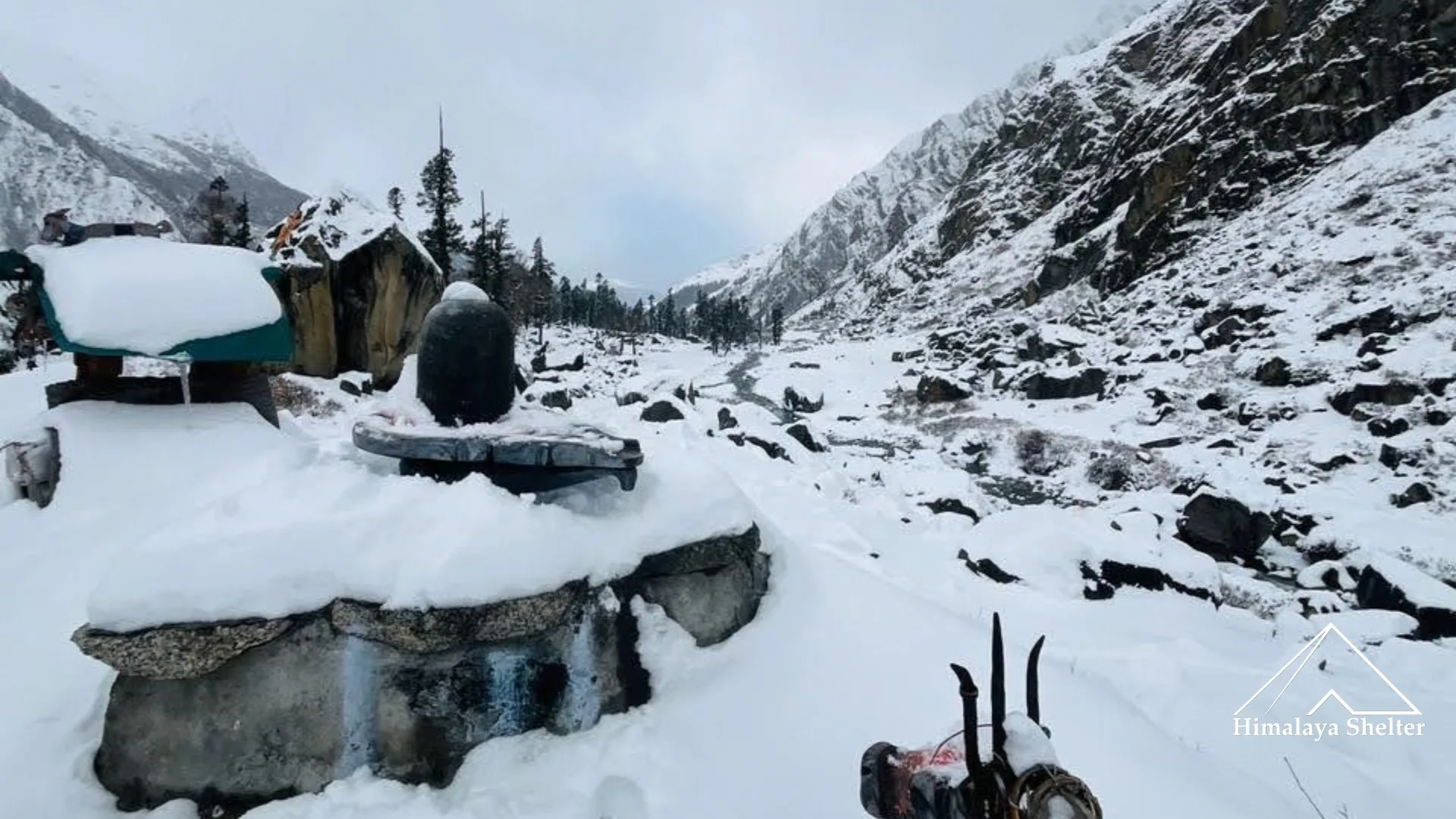
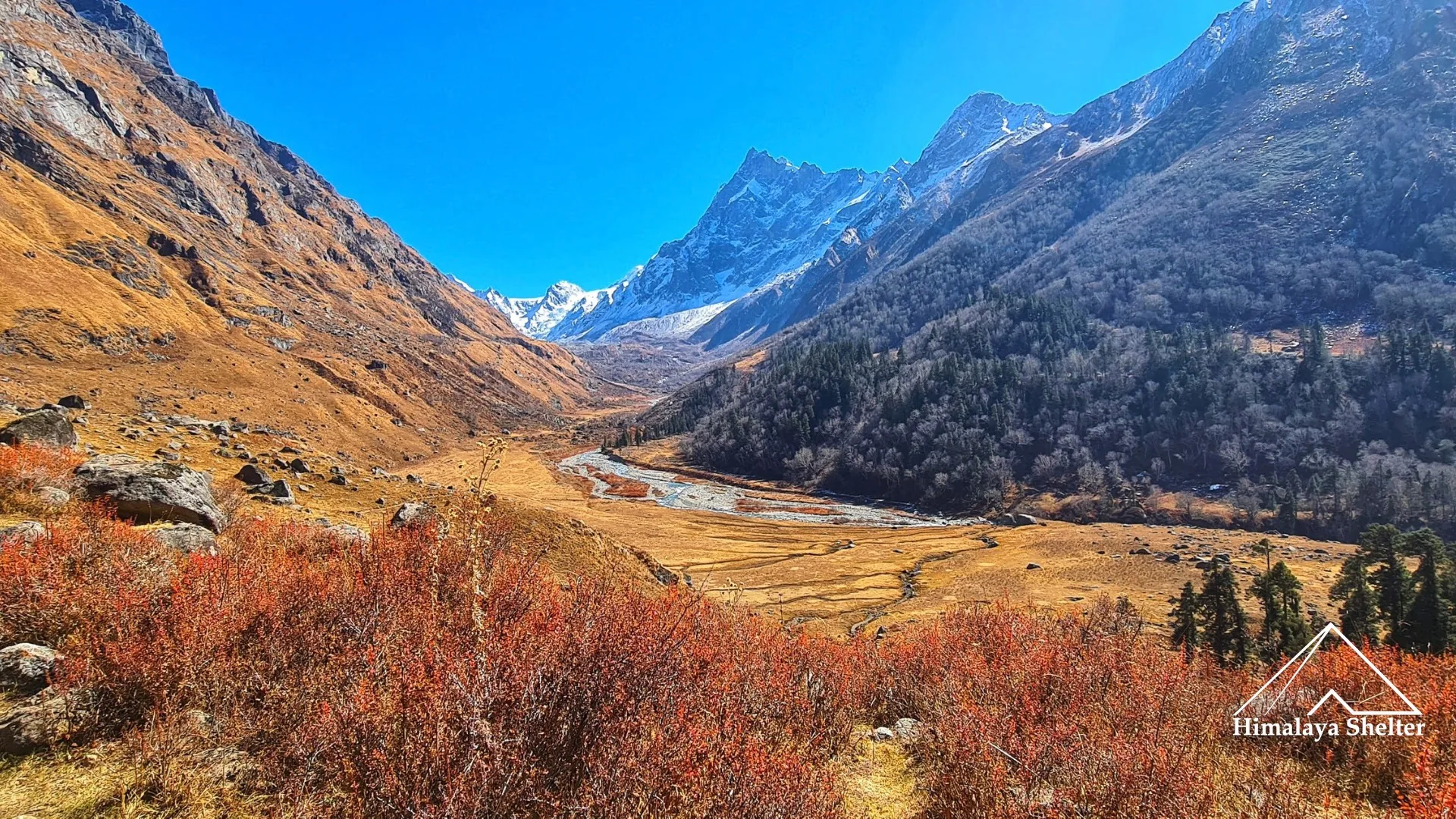
July and August are generally not recommended for Har Ki Dun Trek because of heavy rainfall, slippery trails, landslide risks and changing weather conditions. Access to the valley may also be restricted during this period. It is better to plan your trek during the spring, summer or autumn seasons when conditions are more suitable.
50. Why should I choose Himalaya Shelter for Har Ki Dun Trek?
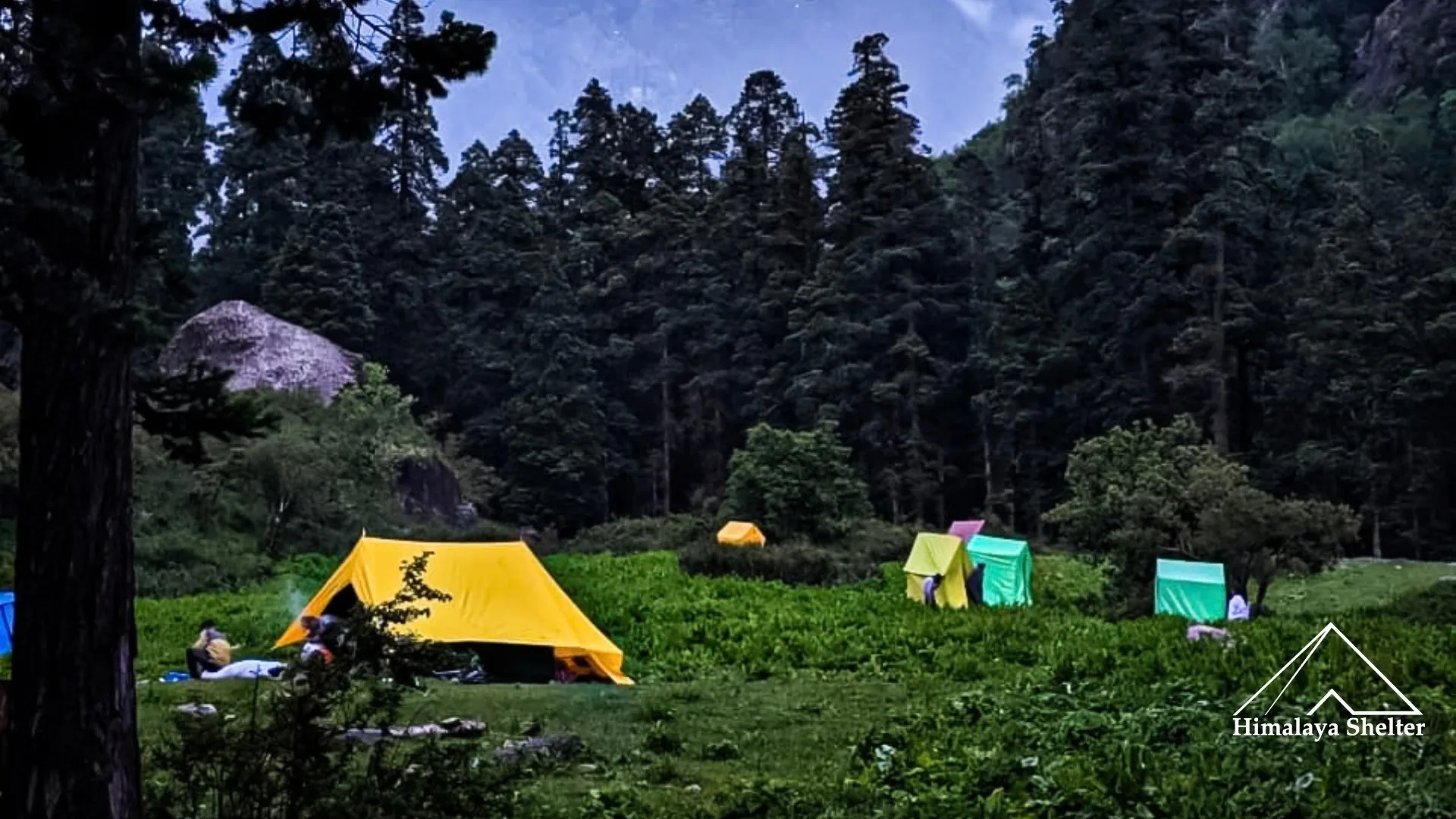
Himalaya Shelter offers guided trekking experiences with local mountain teams, organised transportation, camping arrangements and support staff. The company focuses on small-group experiences, responsible trekking practices and local community involvement. Its experience operating Himalayan treks helps trekkers explore Har Ki Dun with organised logistics and guidance throughout the programme.