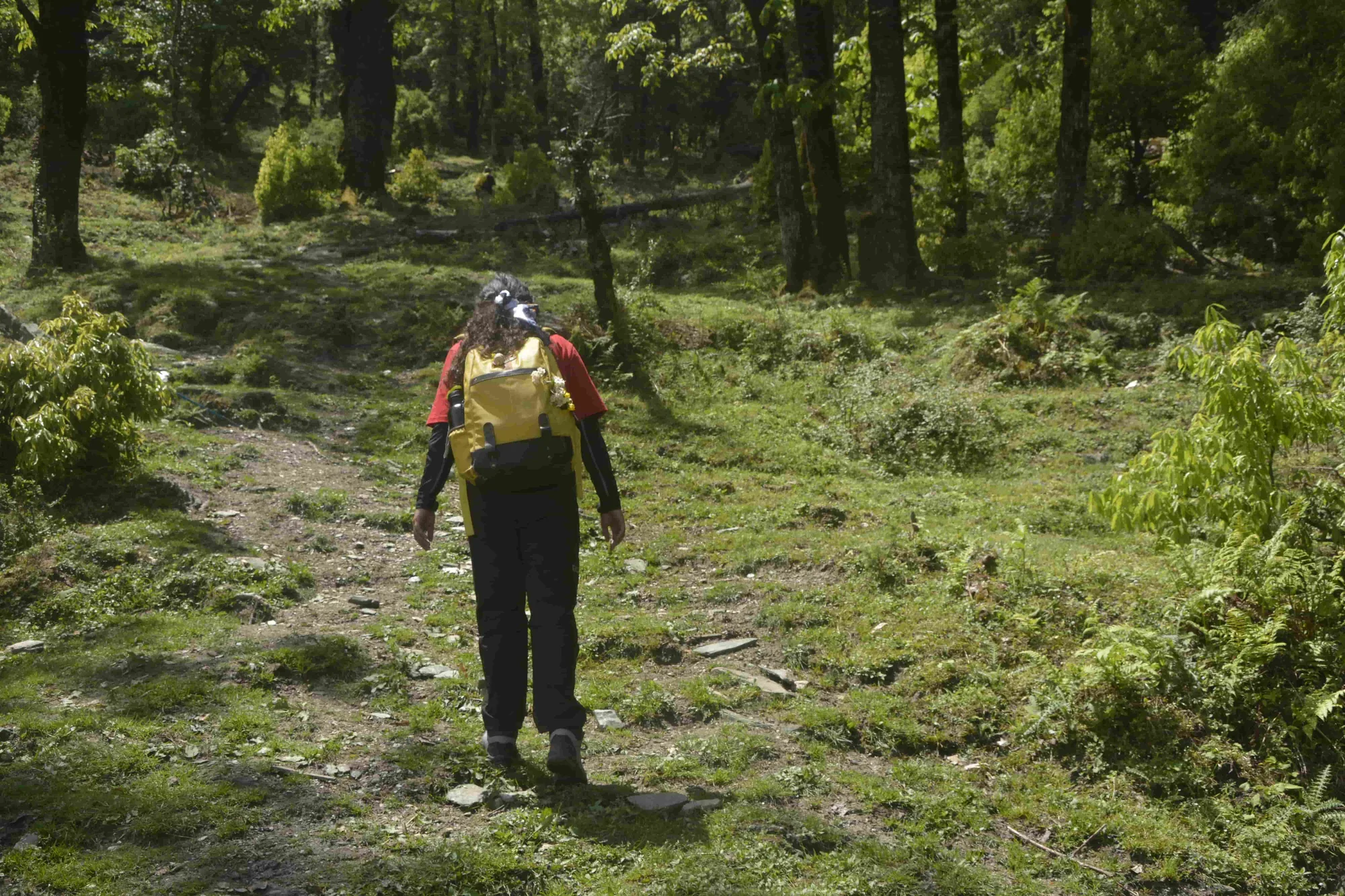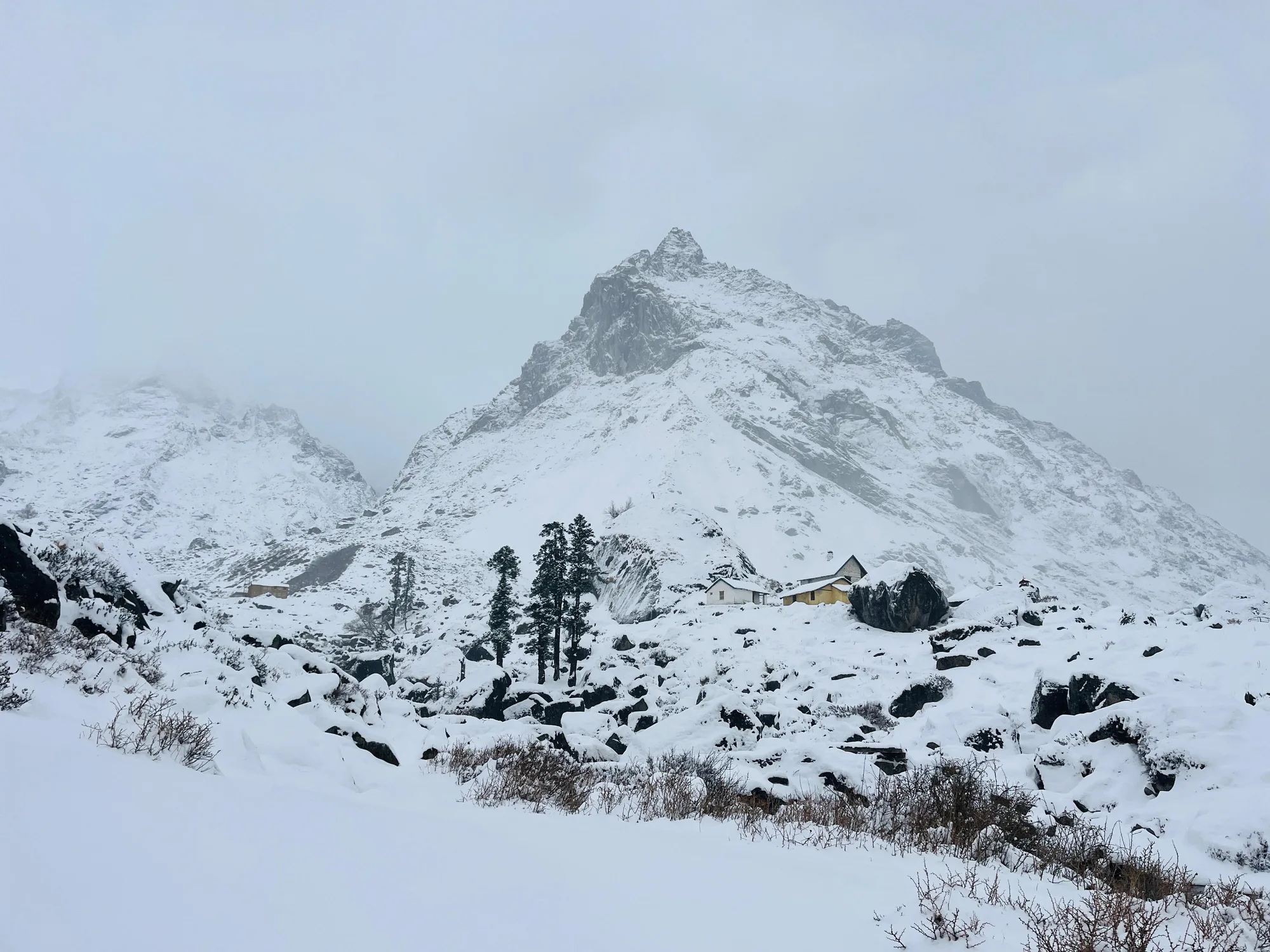
When you are on a Himalayan trek like Har Ki Dun or Buran Ghati Trek, your body works a lot. It feels continuous strain due to long walking hours, thin air, cold weather, and the weight of your backpack. All these things affect your energy levels.
If you are not taking post-trek recovery seriously, you may face:
- Joint pain
- Skin damage
- Poor sleep
- Dehydration
- Muscle soreness
- Loss of appetite
Post-trek recovery practices help in healing your body faster.
Take Proper Rest After Your Trek
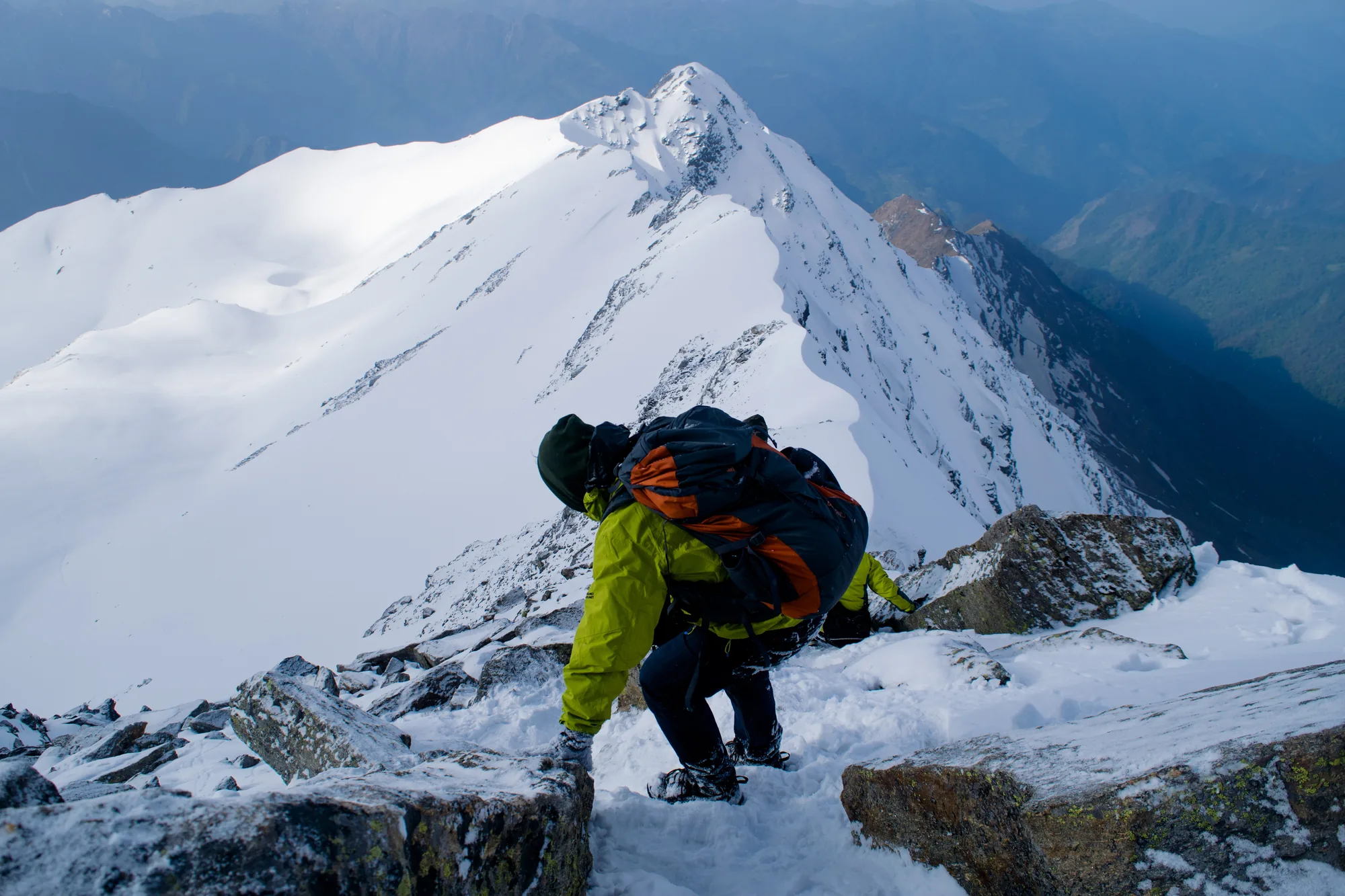
Your body needs proper rest after coming from a Himalayan trek like Bali Pass. Many people ignore the rest and return to work immediately after reaching home. But your body needs rest to re-function properly. Take proper rest for at least 1-2 days. You should avoid any kind of intense physical activities during your rest. Good rest doesn’t mean laying in bed the whole day. You can do simple chores, go on small walks and do some stretching. It will reduce muscle stiffness and will help in blood circulation.
Tips for good rest post-trekking:
- Sleep for at-least 8 hours
- Try not to use phone at night
- Give your legs a good relax
- Avoid heavy weightlifting
Hydrate Your Body
Dehydration is very common on Himalayan Treks. Cold weather often reduces thirst and trekkers may drink less water. When the trek ends, your body still remains dehydrated. Rehydrating the body will help in managing fatigue, headaches, and even sore muscles.
Tips for rehydrating your body:
- Drink plenty of water
- Add electrolyte to your water
- Avoid excessive caffeine
- Eat watery fruits
You should not wait to drink water until you feel thirsty. Try to sip water from time to time.
Eat Nutritious Meals
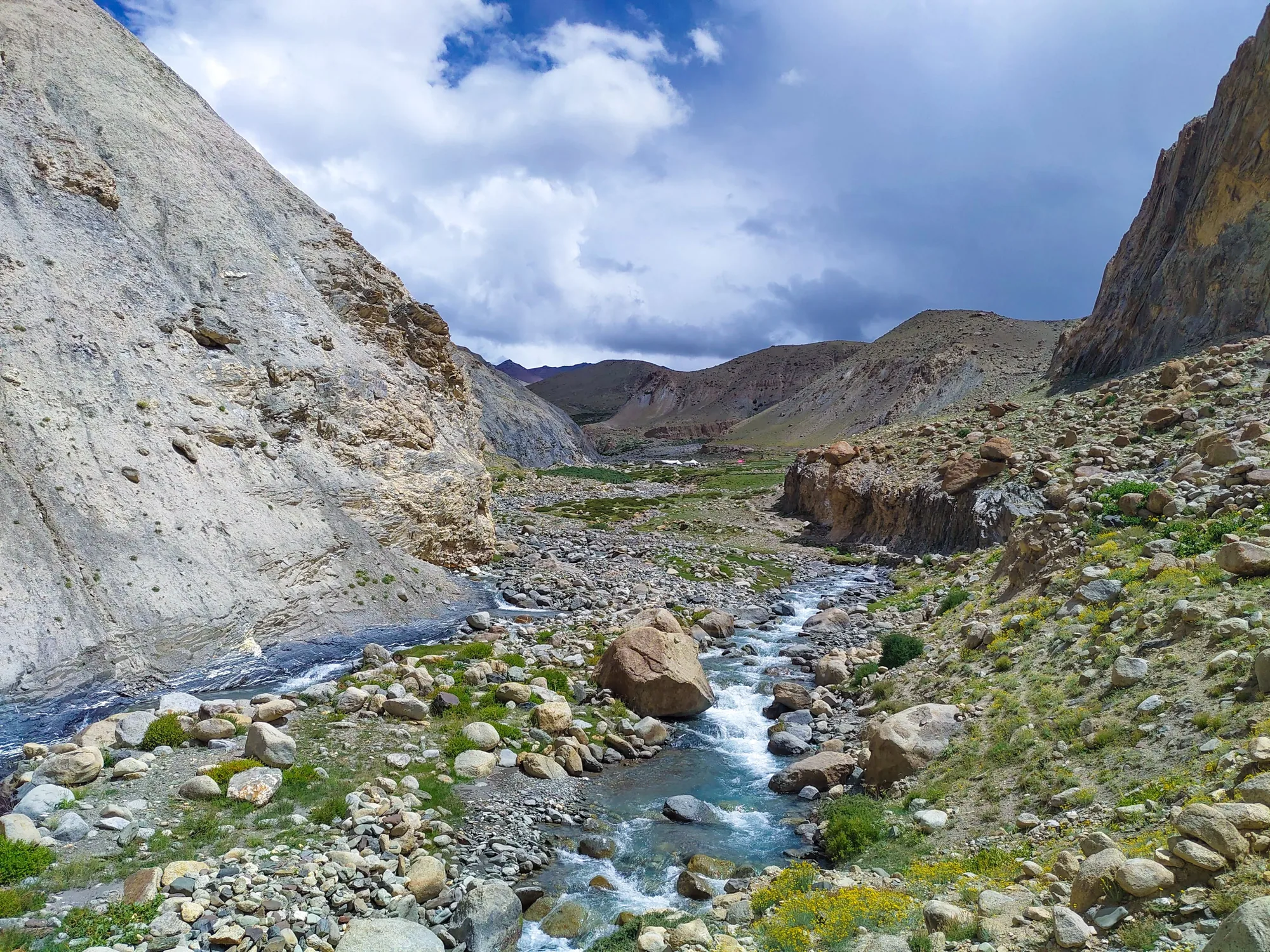
On Himalayan Treks like Markha Valley Trek, Gaumukh Tapovan Trek, your body burns huge amounts of calories. Good nutrition will help your body to rebuild your strength. Trekkers sometimes lose their appetite during a trek. Once returned home, they should focus on eating a healthy nutritious diet.
Best food for post-trek recovery:
Protein-rich items:
- Eggs
- Chicken
- Paneer
- Lentils
- Tofu
- Fish
Healthy carbs:
- Rice
- Fruits
- Sweet potatoes
- Whole wheat
Healthy Fats:
- Seeds
- Nuts
- Avocados
- Peanut butter
Also add vitamins and minerals to improve your immunity. These items will manage fatigue.
Do some stretching
Your muscles become sore and tight after a long trek. Stretching will help to reduce stiffness. It will also improve your body flexibility.
Focus on:
- Hamstrings
- Calves
- Shoulder
- Knees
- Lower back
Simple stretching for 15-20 minutes will help in recovery. Do not try aggressive stretching as it may cause more pain.
Recovery from Sun Damage
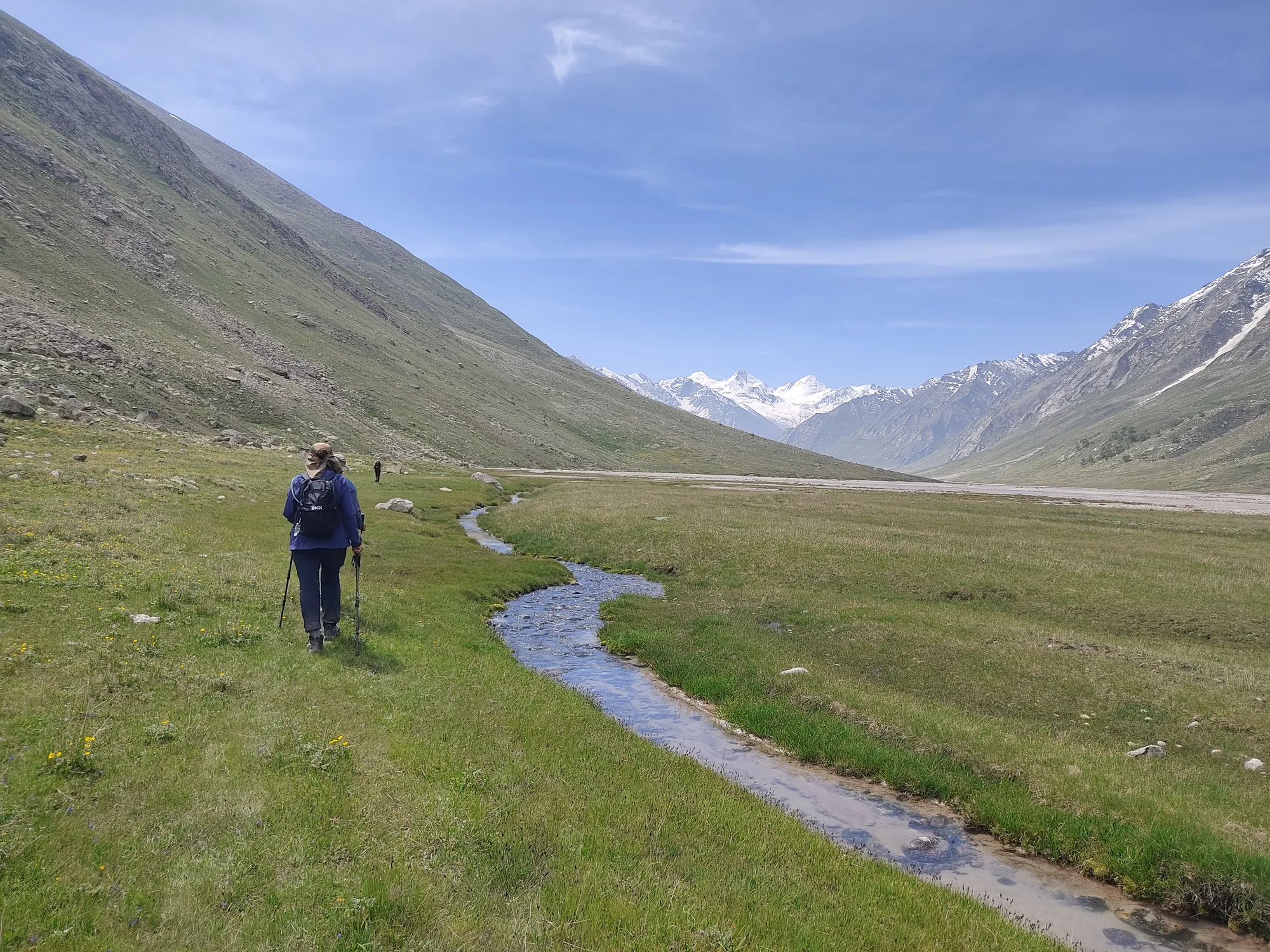
The weather usually feels cool but the sun can be very harsh on skin. In treks like Miyar Valley, you can get severe sunburn and tan due to lack of shades.
Tips to recover your skin from sun damage:
- Apply good moisturizer regularly
- Use lip balm from time to time
- Use aloe-vera gel for smoothing your skin
- Do not use any harsh products just after the trek
Your skin will take some time to recover. Tanning may take weeks, you can use natural anti-tan products to reduce tanning.
Reduce Muscle Soreness
Muscle soreness after difficult Himalayan Trek like Pin Parvati Pass Trek or GHT is very common. While descending, your body puts lots of pressure on your knees and thighs. Knee pain is very common while descending to base town.
Tips to reduce muscle soreness:
- Use hot water bags
- Take warm showers
- Do some gentle stretching
- Do Foam rolling
- Light walking
You shouldn’t be fully inactive after a Himalayan trek. It may increase muscle stiffness. If you are feeling muscle pain for more than 5-7 days then seek medical help.
Avoid Heavy Workouts
Many people, especially fitness lovers, return to the gym immediately after a trek. Doing light exercises is good but lifting heavy weights can be painful. Your muscles are already very stressed, heavy weights can cause muscle injury.
You should do:
- Light jogging
- Do some Yoga
- Do not ignore your body
Your body needs about a week to recover fully.
Do Not Ignore Mental Health
Trekking in the Himalayas engages both physically and mentally. Some trekkers feel mentally drained after returning. Trekkers often quote this feeling as “post-trek blues”. After spending days in a peaceful location, city life can feel overwhelming.
Tips to improve your mental health:
- Organize and post your trek photos
- Journal about your trek
- Connect to your trek buddies
- Give yourself some time to adjust
Manage Your Sleep Cycle
High-altitude trekking such as Rupin Pass Trek can affect your sleep cycle. Some people lose their regular sleep cycle. It is normal and your sleep cycle will return to normal in a few days.
Tips to manage your sleep cycle:
- Sleep in dark and cool room
- Stay hydrated
- Avoid coffee at night
- Reduce your screen time
Good sleep will help to recover your body physically and mentally.
Listen To Your Body
Feeling tired is normal after trekking. Your body needs some help and it will recover soon. But if your body is taking more time then you should seek help. If your body is not used to long trekking hours and cold weather then you may need medical help.
Talk to your doctor when you are having:
- Severe body pain
- High fever
- Severe dehydration
- Breathing problems
- Chest pain
Never ignore the symptoms and get good help before the condition gets worse.