Why Uttarakhand Is One of the Best Destinations in India for Winter Trekking
To experience snow in India, the Himalayas are the only options. But if you are adventure seeker there are lots of snow treks in Uttarakhand and these all are easily accessible even in peak winter. Ladakh and Himachal Pradesh also have treks but in winter it is not accessible. Trekking in Uttarakhand in winter should be your once in a lifetime experience. Snow trekking is not just for snow, in that you will see frozen lakes, snow covered forest, and chilly weather.
Uttarakhand offers several winter trekking options, each with its own landscape and level of difficulty. Treks like Kedarkantha, Dayara Bugyal, Brahmatal and Kuari Pass are popular among those looking to experience snowfall and Himalayan mountain views. If you are looking for a weekend trek, Nag Tibba is a good option, while Gulabi Kantha and Ancha Top are five to six days treks but these are easier.
By Tanisha Chauhan, trek leader and content writer, Himalaya Shelter. Last updated: 19 November 2026.
❄ Winter treks 2026-27Planning your first winter trek?Walk on snow for days with our trek leaders, on fixed batch dates from Dehradun.Kedarkantha Snow Trek →Dayara Bugyal Snow Trek →★★★★★4.8 on Google from 1,400+ trekker reviews · Dehradun-based trekking company
What Makes Uttarakhand Special for Winter Trekking?
Winter treks in Uttarakhand have so many different options. There are a variety of landscapes in every trek and each trek is famous for its uniqueness, one trek for its mythology, other is for its high mountain peak visibility, other is for its sunrise, etc. In many states treks get close because of the large amount of snowfall which is not safe, but in Uttarakhand many treks are open even in winter because they are safe and easily accessible. But keep in mind one thing, if the snowfall is too much and the weather is worse then these treks also get closed temporarily.
Diverse Himalayan Landscapes
Each snow trek in Uttarakhand is known for its landscapes. These treks have a variety of landscapes. The same thing in every trek is forest. You will walk through village and snow covered forest trails after gaining enough altitude, the dense forests begin to open up, leading to vast alpine meadows and exposed mountain ridges.
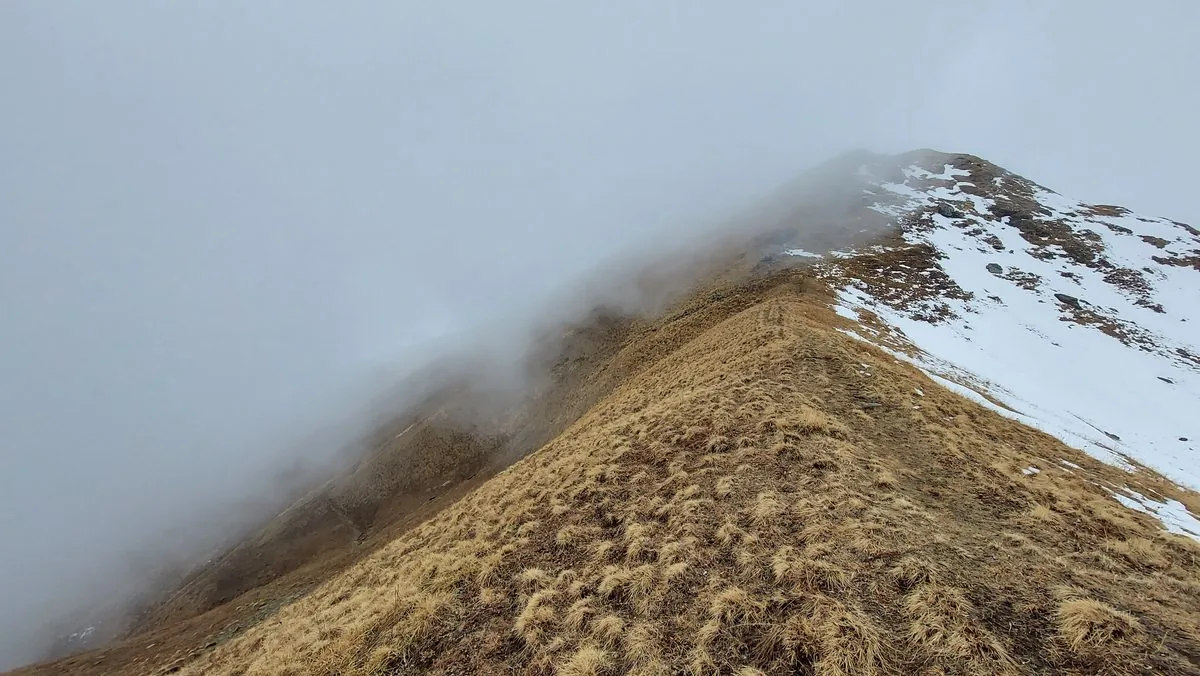
During the snow season, trails covered with snow and higher ridges are also covered with snow and open meadows are green to white. You can see higher Himalaya ranges filled with snow. Treks like Kedarkantha, Dayara Bugyal and Kuari Pass allow trekkers to experience these changing landscapes along a single route
A grass ridge turning white with snow on the Gulabi Kantha trek.
Snow-Covered Forest Trails
After snowfall, the forest is covered with snow. The branches of oak, pine, rhododendron have accumulated snow. Snow crystals shine in sunlight that looks beautiful and sunlight comes from canopies. Walking through a snow covered trail in shady and bright sunlight with a bright blue sky, how beautiful an experience it can be.
Juda Ka Talab, frozen, in the forest on the Kedarkantha trail.
Vast Alpine Meadows Covered in Snow
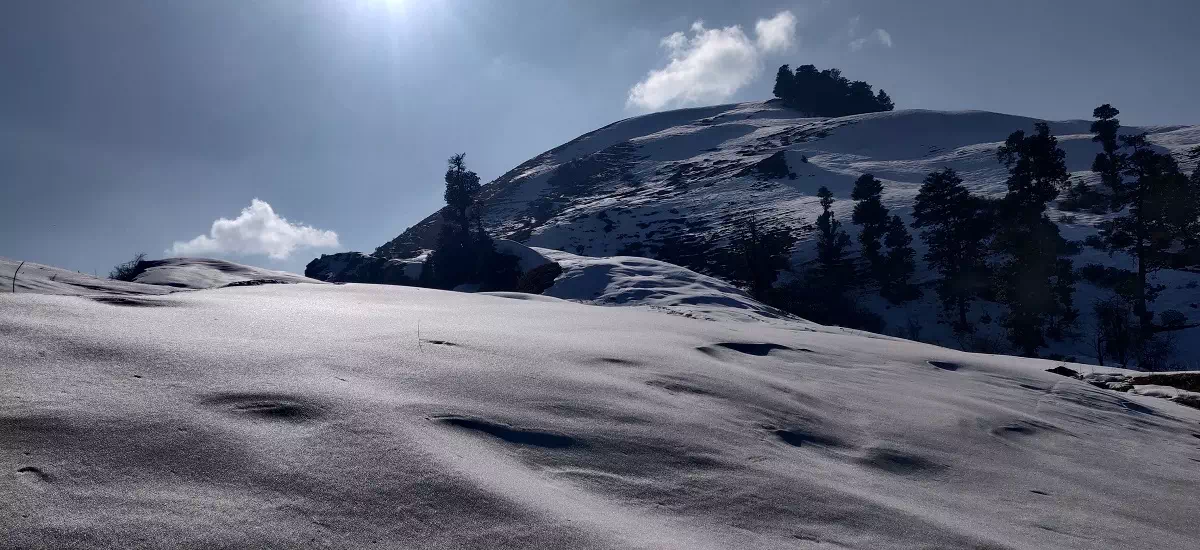
Uttarakhand has so many treks especially of meadows locally called Bugyal, but this turns into white sheet of snow.
Dayara Bugyal is one of the well-known examples. Its expansive grasslands offer open views of the surrounding Himalayan peaks, making it particularly attractive during the winter months. Other trekking routes also pass through high-altitude clearings and open meadows where trekkers can experience the changing mountain scenery.
Unlike dense forest trails, these open grasslands provide unobstructed views of the surrounding mountains and give trekkers more space to explore the landscape.
Dayara Bugyal meadow under winter snow.
Panoramic Views of Himalayan Peaks
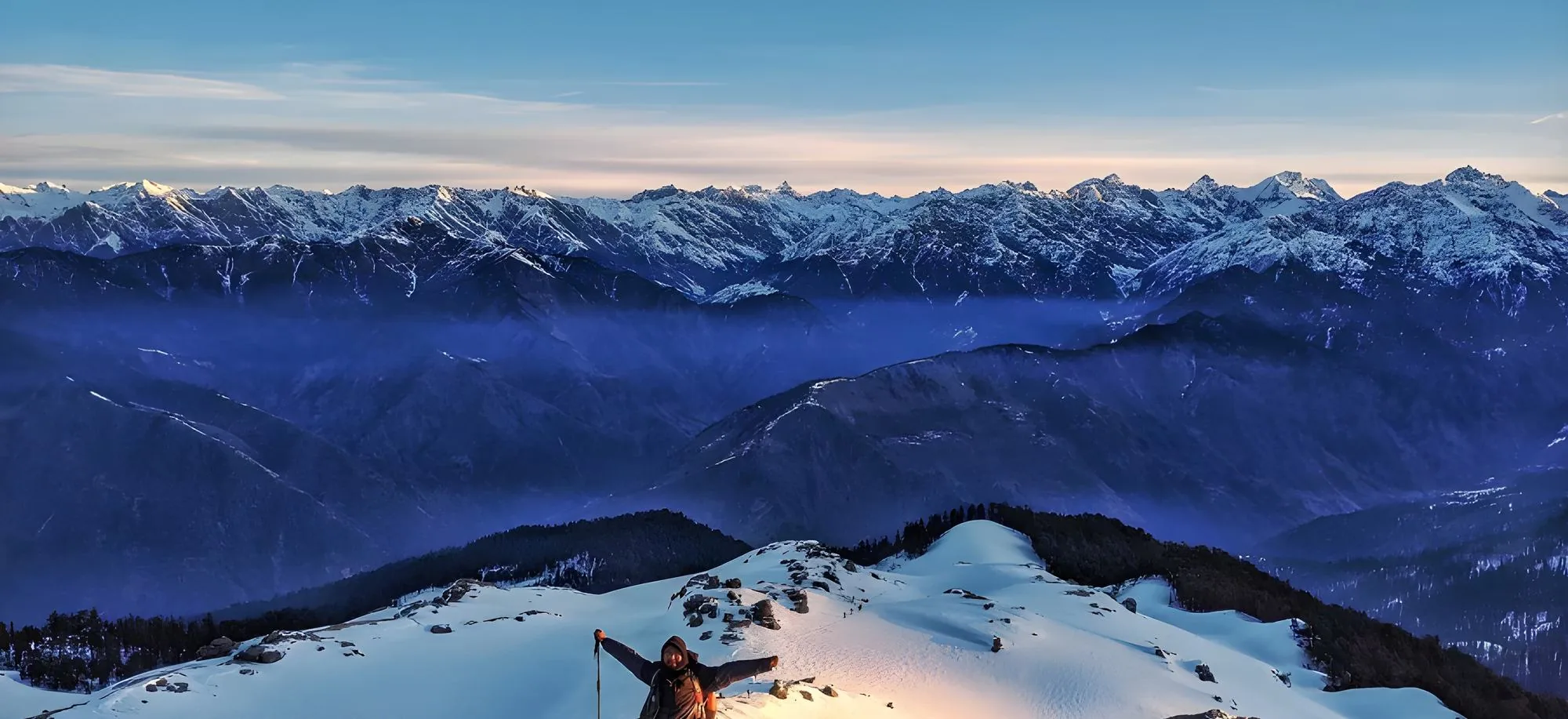
Uttarakhand winter trekking also provides the chance to see some of the major peaks of Garhwal and Kumaon Himalayas. On a clear day, the snow-capped mountains are visible from various portions of the trekking paths.
From the top of Kedarkantha, trekkers can view the neighboring ranges of the Himalayas. The Kuari Pass is particularly famous for its panoramic mountain views, which include peaks like Nanda Devi, Dronagiri and Kamet, depending on the weather. Dayara Bugyal also offers beautiful views of peaks like Bandarpoonch, Black Peak and Gangotri range.
Visibility is weather dependent but on clear winter mornings there are good opportunities to view and photograph the surrounding mountains.
Sunrise on the Kedarkantha summit ridge.
Different Trekking Experiences for Different Skill Levels
Uttarakhand also has routes of varying durations and difficulty levels which further attracts winter trekking enthusiasts. You don't need a lot of mountain experience or weeks of walking for any of the treks. Some trails are suitable for beginners with basic fitness, while others require better endurance and previous trekking experience.
For instance, Nag Tibba is a fairly short trekking option for people who want a weekend adventure. Dayara Bugyal and Kedarkantha are the usual picks for those planning their first multi-day Himalayan winter trek. - Brahmatal and Kuari Pass are good for longer treks with different kinds of terrain and views of mountains at height.
Gulabi Kantha and Ancha Top are other options for trekkers who wish to explore less crowded routes.
8 Popular Winter Treks to Explore in Uttarakhand
1. Kedarkantha Trek
Kedarkantha trek is a very beautiful summit trek with an iconic sunrise. The Kedarkantha has beautiful campsites and forest trails.
Our Kedarkantha base camp in winter snow.
The total trek duration is 5 days.
The maximum altitude of the trek is 12500 ft.
It starts from Sankri village and ends at Sankri.
It is considered an easy to moderate difficulty level.
2. Dayara Bugyal Trek
Here Bugyal means alpine meadows. So this is basically famous for its meadow field but in winter snow blanket. Dayara Bugyal trek gives you a wide view of the Greater Himalaya Range in which you can see Gangotri Range, and peaks such as Bandarpunch, Jaonli, Srikanth, etc.
A Dayara Bugyal winter camp in snow.
The total trek duration is 6 days.
The maximum altitude of the trek is 11900 ft.
It starts from Raithal village and ends at Raithal.
It is considered an easy to moderate difficulty level.
3. Kuari Pass Trek
Kuari Pass is famous for its panoramic views of the Garhwal Himalayas. On a clear day, trekkers can spot around 14 to 22 prominent Himalayan peaks, including Nanda Devi, Kamet, Dronagiri, Chaukhamba, Trishul and Neelkanth. These snow-covered mountains stretch across the horizon, creating one of the most impressive mountain panoramas in Uttarakhand.
A Garhwal peak above the clouds on the Kuari Pass trek.
The total trek duration is 6 days.
The maximum altitude of the trek is 12,532 ft.
It starts from Dhak near Joshimath and ends at Auli.
The difficulty level is moderate.
4. Brahmatal Trek
Brahmatal is particularly famous for its high-altitude lake, snow-covered forest trails and panoramic Himalayan views. The trek offers beautiful views of Mt. Trishul and Mt. Nanda Ghunti, especially from its higher ridges. During winter, fresh snowfall transforms the surrounding forests and mountain slopes, making it one of the popular winter trekking destinations in Uttarakhand.
Brahmatal lake with fresh snow around it.
The total trek duration is 6 days.
The maximum altitude of the trek is 12,250 ft.
It starts from Lohajung in Chamoli district and ends at Chamoli.
The difficulty level is moderate.
5. Nag Tibba Trek
Nag Tibba is one of the popular weekend trekking destinations in Uttarakhand, especially for people looking for a short Himalayan adventure. During winter, snowfall can cover the forest trails and summit area, giving trekkers an opportunity to experience snow trekking without committing to a longer expedition. From the summit, you can enjoy views of prominent Himalayan peaks, including Bandarpoonch, Kala Nag, Srikanth and the Gangotri range on clear days.
Nag Tibba campsite at sunset.
The total trek duration is 2 days.
The maximum altitude of the trek is approximately 9,915 ft.
It generally starts from Pantwari village and returns to Pantwari.
It is considered an easy to moderate difficulty level.
6. Gulabi Kantha Trek
Gulabi Kantha is a relatively less-explored trekking destination in Uttarkashi district of Uttarakhand. The trail takes you through dense oak and rhododendron forests before opening into beautiful alpine meadows and high-altitude grasslands. During winter, snowfall transforms these open landscapes into snow-covered slopes. The summit offers panoramic views of the surrounding Garhwal Himalayas, including Bandarpoonch, Black Peak and the Swargarohini range. Its combination of forest trails, meadows and summit views makes it an interesting option for winter trekking.
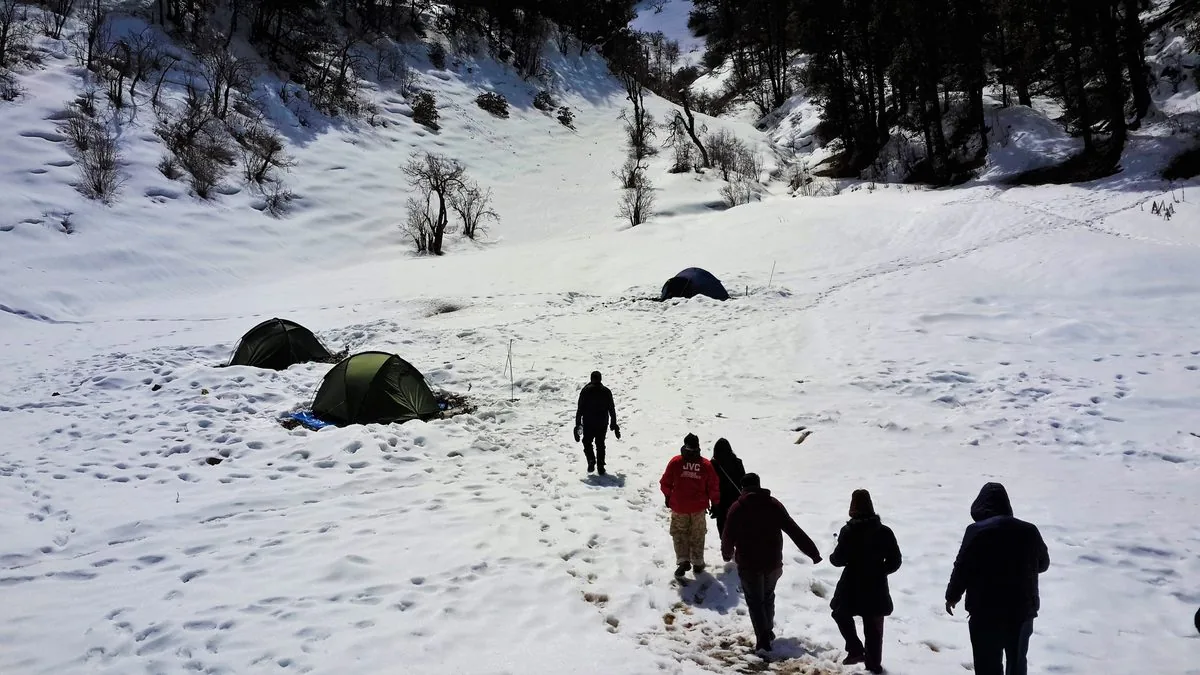
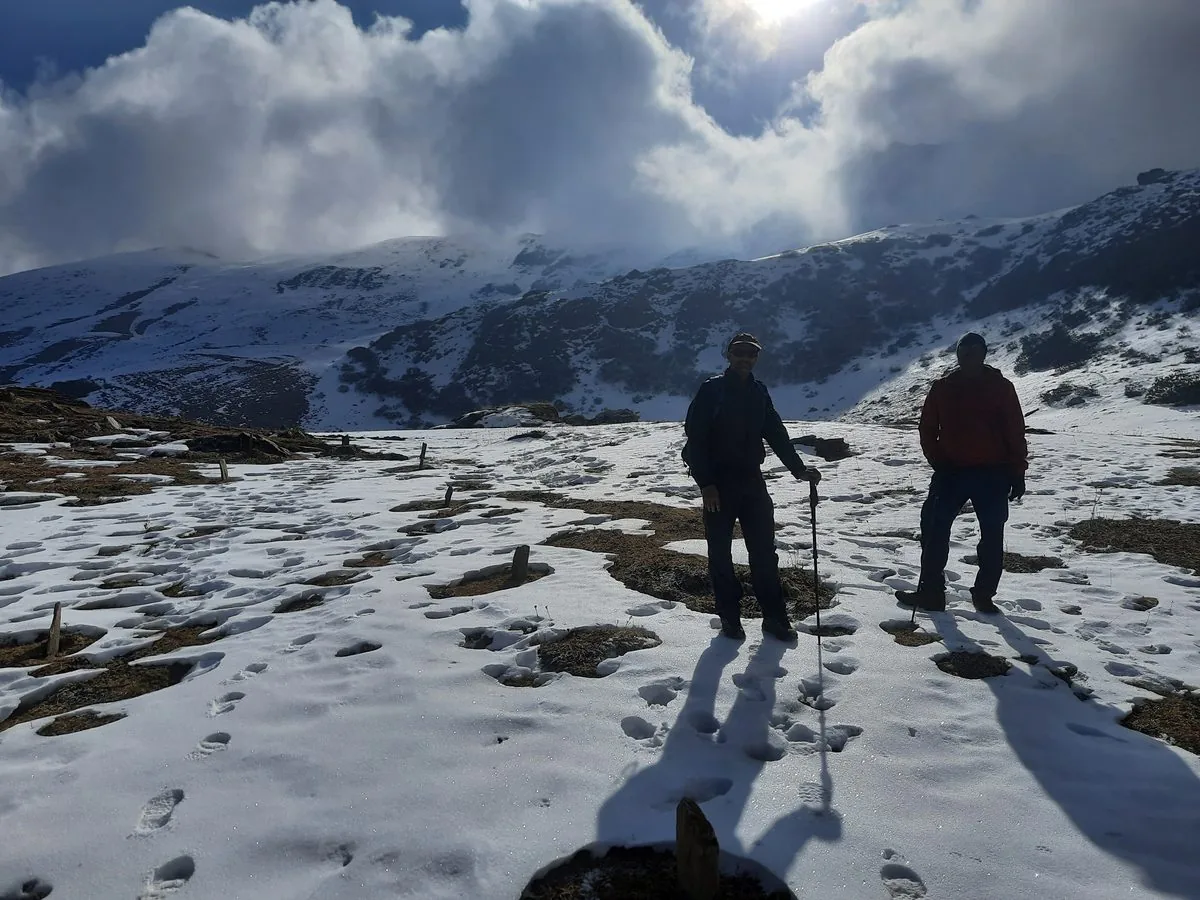
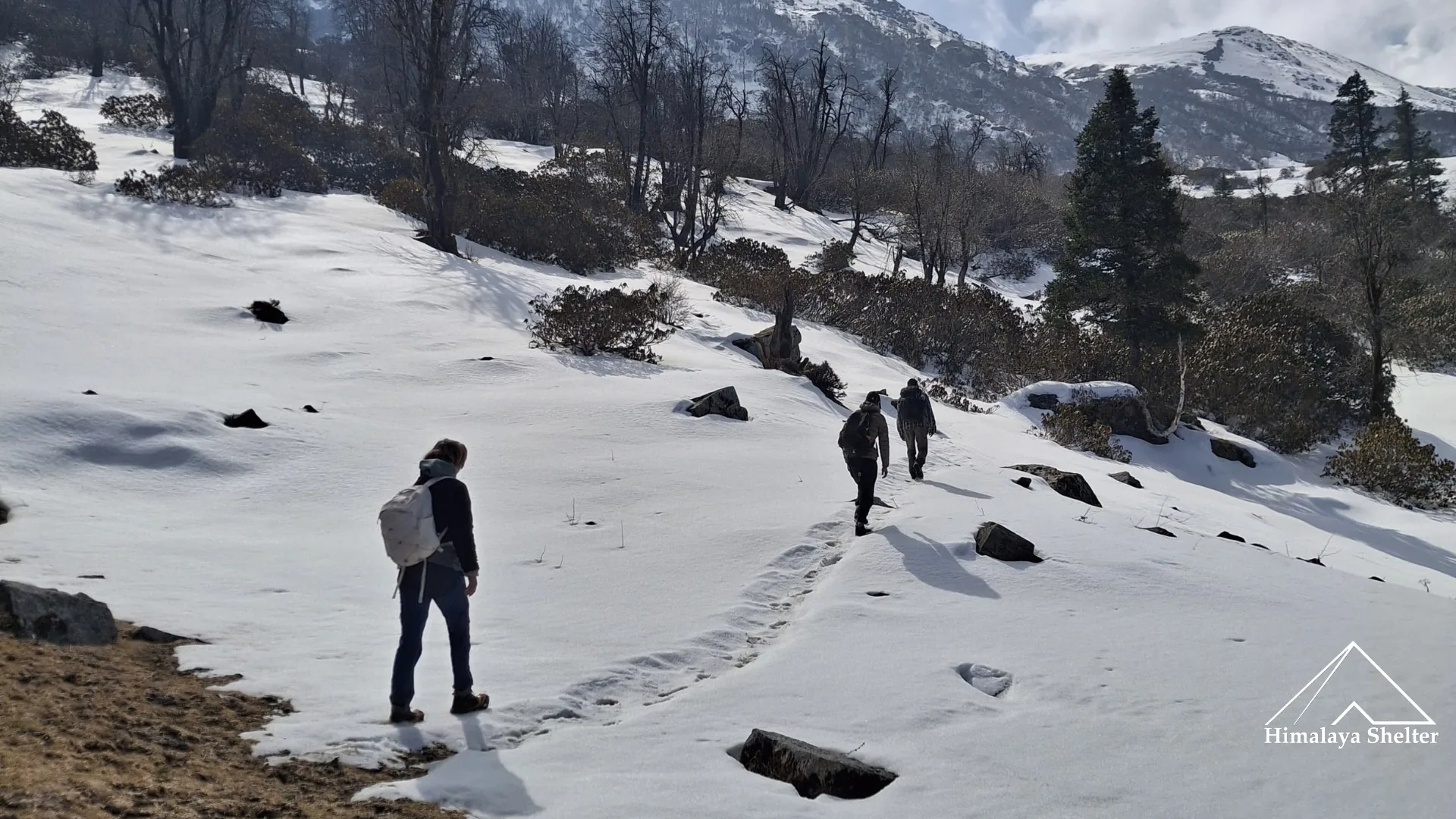
Trekkers on snow on the Gulabi Kantha trek in January.
The total trek duration is 5 days.
The maximum altitude is approximately 13,400 ft.
It starts from Hanuman Chatti and returns to Hanuman Chatti.
It is generally considered a moderate difficulty level.
7. Ancha Top Trek
Ancha Top is a lesser-known trekking destination in Uttarakhand that offers an opportunity to explore the quieter side of the Himalayas. It can be included among offbeat winter trekking options for those looking beyond the more frequently visited trails. The appeal of this trek lies in its mountain landscapes, forest trails, alpine lake and potential snow-covered sections during winter. It offers a different experience from popular summit treks, particularly for trekkers interested in exploring less-crowded mountain routes.
Aancha Top trail in winter snow.
The total trek duration is 6 days.
The maximum altitude is 12,500 ft.
It starts from Ranachatti and ends at Ranachatti village.
The difficulty level of Ancha Top is easy to moderate.
8. Chopta Chandrashila Trek
Chopta Chandrashila is famous for its beautiful forest trails, the ancient Tungnath Temple and panoramic views from Chandrashila summit. The trek passes through forests of oak and rhododendron before reaching Tungnath, one of the highest Shiva temples in the world. From Tungnath, a steep uphill trail leads to Chandrashila summit, which offers wide views of the Garhwal Himalayas. On a clear day, trekkers can see prominent peaks such as Nanda Devi, Trishul, Chaukhamba, Nanda Ghunti and Kedar Dome. During winter, fresh snowfall covers the trail, temple surroundings and mountain slopes, making it a popular destination for snow trekking.
Chopta Chandrashila route under winter snow.
The Chopta to Chandrashila trek takes approximately 3 days, depending on the itinerary.
The maximum altitude is approximately 12,083 ft.
The trek starts from Chopta and returns to Chopta.
It is generally considered an easy to moderate difficulty level.
When Is the Best Time for Winter Trekking in Uttarakhand?
December: Beginning of the Winter Trekking Season
December is a good time to do winter treks. You can experience fresh snowfall but in recent years December is experiencing less snowfall comparatively. So we can expect less chances of snowfall from 1 December to 15 December and after that we can expect more chances. Before 4 to 5 days of trek you can also check the weather forecast. Temperature drops to -2 to -6 in winter.
January: Peak Winter Experience
In January you can experience good snowfall or pre existing snow. To experience snow, January is the best month because it is the peak month for snowfalls. Sometimes it gets heavy and temporary treks may close. Temperature drops to -2°C to -15°C in January.
February: Exploring the Snow-Covered Himalayas
Himalayan treks remain covered with snow. In sunlight it shines beautifully and forest trails start melting and you will fall drops from trees. February feels like a pleasant winter. The minimum temperature remains from 0°C to -15°C in February.
March: Transition Towards Spring
March gives the opportunity to see snow with transition to spring. You can see snow on higher sections of the trek and lower sections have snow patches. This month also remains less crowded.
Are Winter Treks in Uttarakhand Suitable for Beginners?
Winter treks in Uttarakhand can be suitable for beginners, but the right trek depends on your fitness level, trekking experience and comfort with cold weather.
If you are a beginner choose the trek with a difficulty level of easy to Moderate. Easy trek have less trekking days, less walking distance, and gradual ascents.
Beginner friendly trek doesn’t mean you do not need to be fit. If the trek is easy but you have prepared yourself physically a few weeks before the trek. You should be comfortable walking for 4–6 hours, climbing uphill and carrying a daypack. Regular walking, jogging, stair climbing and basic strength training can help you prepare.
Walking on snow is different from walking on a trail with snow. Walking on loose snow makes walking tiring, hard snow makes the path slippery while deep snow makes walking hard.
Check trek duration, highest altitude, winter temperatures, and read difficulty level before choosing the trek. Your first experience should be good.
Final Thoughts: Experience the Beauty of the Uttarakhand Himalayas in Winter
Uttarakhand has lots of opportunities for trekking in all months of the year except July and August. You can see a diversity of treks in the winter season also, each trek has their own speciality. Every region offers a different opportunity.