Why Autumn Is One of the Best Times to Trek in the Himalayas
Trek Diaries

Why Autumn Is One of the Best Times to Trek in the Himalayas

There is something special about the Himalayas in autumn.

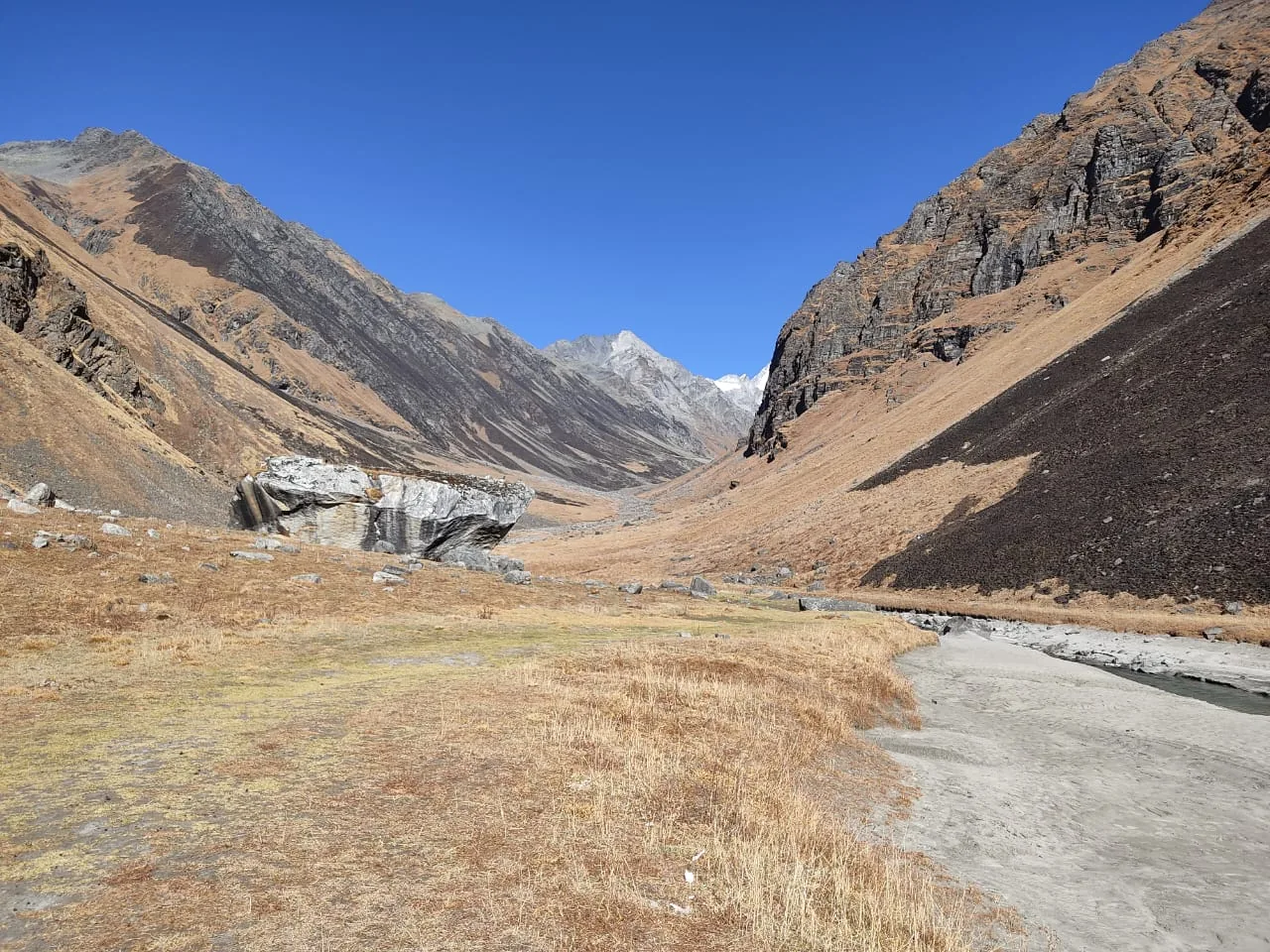
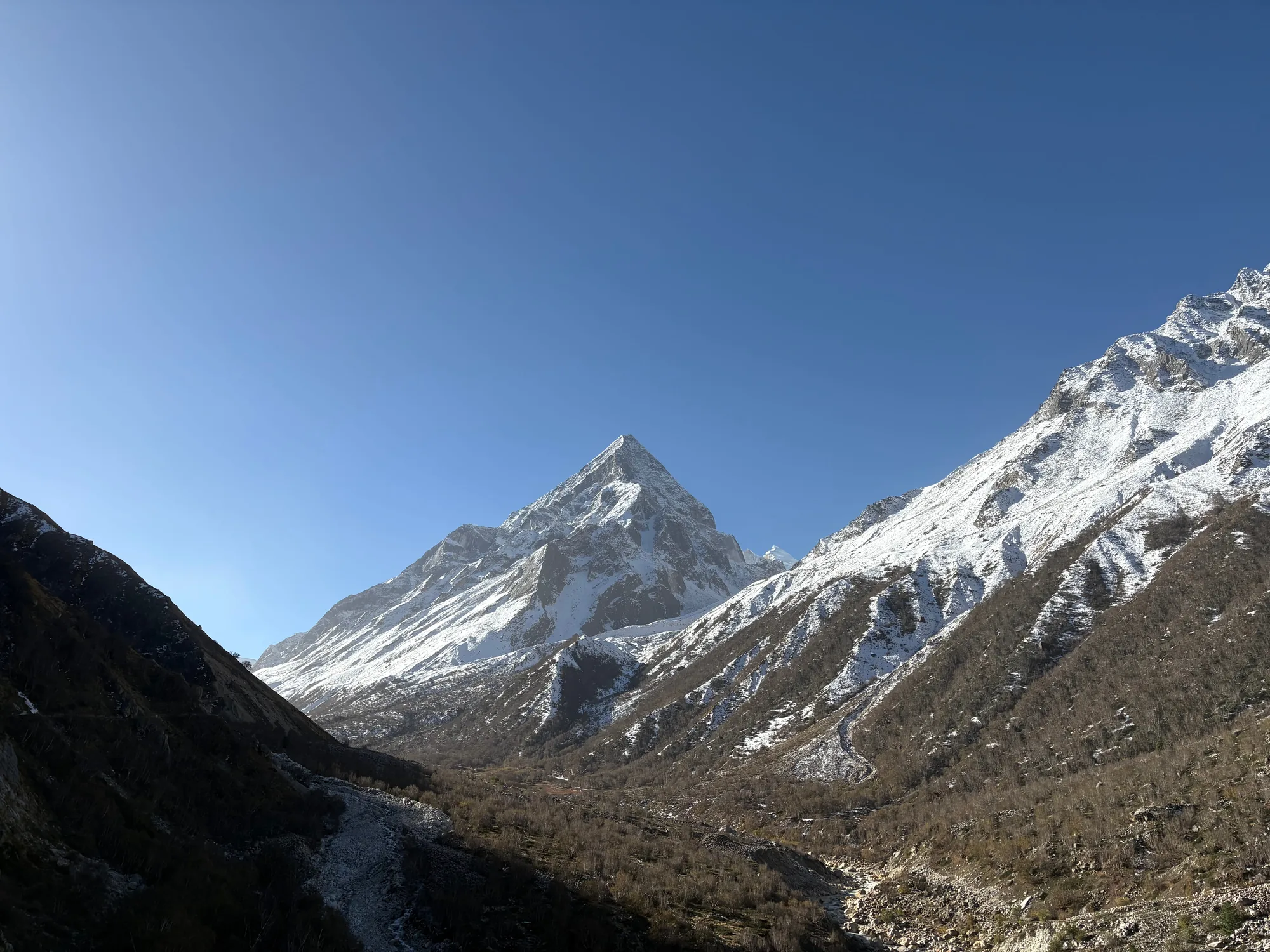
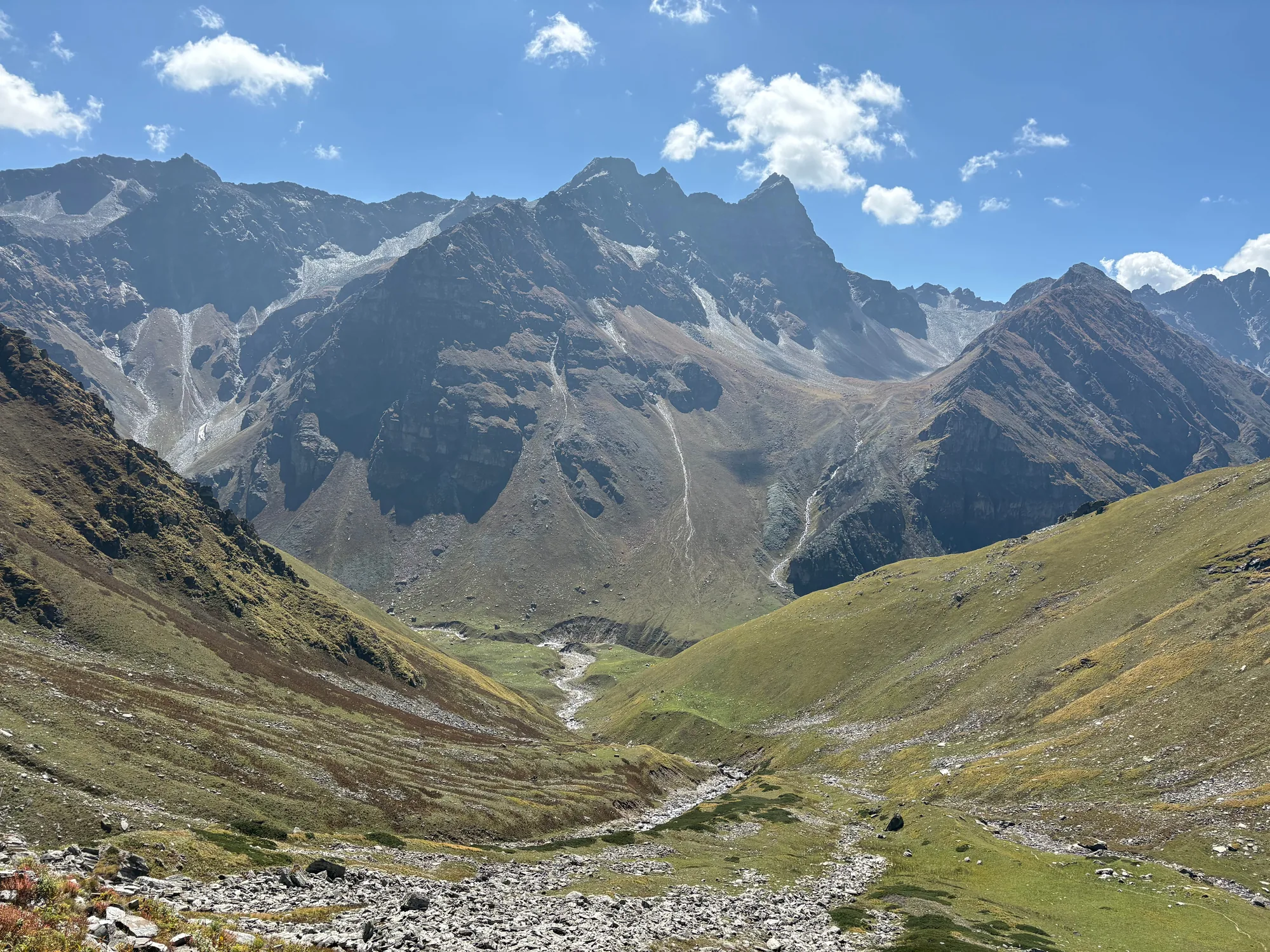
After the monsoon clouds disappear, the mountains seem to become sharper, brighter and more beautiful. The skies turn deep blue, the air feels crisp, forests begin changing colour and distant Himalayan peaks become clearly visible. The lush greens of the monsoon slowly give way to shades of gold, orange and brown, creating some of the most beautiful trekking landscapes of the year.

autumn trekking

For trekkers, autumn is not just another season. It is one of the best windows to explore the Indian Himalayas.

Generally, September to November offers excellent opportunities for Himalayan trekking, although the ideal months vary depending on altitude, region and the individual trail. September retains some of the freshness of the monsoon, October is known for clearer skies and excellent mountain visibility, while November brings colder temperatures and the first hints of winter at higher elevations.

Whether you are looking for a peaceful valley trek, a challenging high-altitude pass or a short weekend adventure, autumn has something for every kind of trekker.

So, why should you plan your next Himalayan trek in autumn?

Why Is Autumn One of the Best Seasons for Trekking?

1. Clearer Himalayan Views

One of the biggest reasons to trek in autumn is the visibility.

The monsoon washes dust and haze from the atmosphere, often leaving the skies remarkably clear. As a result, mountain ranges and individual peaks can appear much more defined.

On treks such as Har Ki Dun, Phulara Ridge, Gaumukh Tapovan and Chopta Chandrashila Tungnath, clear weather can make a huge difference to the overall experience.

Imagine walking through a mountain meadow with a deep blue sky above you and snow-covered Himalayan peaks stretching across the horizon. That is the kind of experience autumn can offer.

2. Beautiful Autumn Colours

Autumn transforms the Himalayan landscape.

The forests that were bright green during summer and monsoon slowly begin changing colour. Oak, maple and other mountain vegetation develop warm shades of yellow, orange and brown.

The meadows also change character. Instead of the intense green associated with summer, many high-altitude grasslands develop a soft golden or honey-coloured appearance.

This transformation is particularly beautiful on Phulara Ridge, Har Ki Dun, Buran Ghati and Dayara Bugyal.

Autumn is therefore an excellent season for photographers, nature lovers and anyone who simply wants to experience the mountains at their most colourful.

3. More Stable Weather

The monsoon season can make Himalayan trekking challenging because of rain, slippery trails, muddy sections and unpredictable weather.

As autumn arrives, rainfall generally decreases and trekking conditions become more favourable. Trails begin to dry out and the weather becomes more stable, especially during October.

This makes autumn particularly attractive for longer Himalayan treks and high-altitude routes. However, mountain weather can still change quickly, so proper preparation and an experienced trekking team remain important.

4. Pleasant Daytime Temperatures

Autumn provides a comfortable balance between summer warmth and winter cold.

During the day, trekking temperatures are often pleasant enough for long walks without the intense heat found in lower-altitude regions. At night, temperatures drop considerably, particularly at higher camps, giving you that unmistakable Himalayan chill.

By November, the cold becomes more noticeable and some high-altitude routes may start experiencing early winter conditions.

5. Less Monsoon-Related Trail Problems

Trekking during or immediately after heavy monsoon conditions can involve slippery paths, swollen streams and muddy sections.

By autumn, many trails become considerably easier to walk on.

This is particularly helpful on long routes where trekkers spend several hours walking each day. Dry trails also make it easier to appreciate the terrain, forests and mountain views instead of constantly worrying about rain.

6. Perfect Season for Photography

If you love landscape photography, autumn is hard to beat.

The combination of clear skies, golden forests, dramatic mountains and changing light creates excellent conditions for photographs.

Sunrise over a Himalayan ridge, a golden meadow beneath snow-covered peaks, traditional villages surrounded by autumn forests or a distant mountain glowing during sunset — autumn provides countless opportunities.

7. You May Witness the First Snow of the Season

Autumn can also bring a magical surprise — fresh snow in the higher reaches of the Himalayas. While early autumn is usually known for clear skies and dry trails, temperatures drop quickly at high altitudes as the season progresses. On high-altitude treks such as Bali Pass, Gaumukh Tapovan, Rupin Pass and Buran Ghati, trekkers may get to witness fresh snowfall or newly snow-covered mountain landscapes, depending on the weather and timing of the trek.

Imagine waking up to a thin layer of fresh snow covering the trail, campsites and surrounding peaks, with the morning sun slowly lighting up the mountains. These unexpected snowy moments can make an autumn trek even more memorable. However, snowfall is weather-dependent and should never be guaranteed, particularly early in the season.

Top Autumn Treks in India

From beginner-friendly trails to demanding high-altitude adventures, here are some of the best autumn treks to consider.
1. Har Ki Dun Trek

har ki dun trek

Best for: Valleys, villages, forests, culture and Himalayan views
Difficulty: Moderate
Best autumn months: September to November

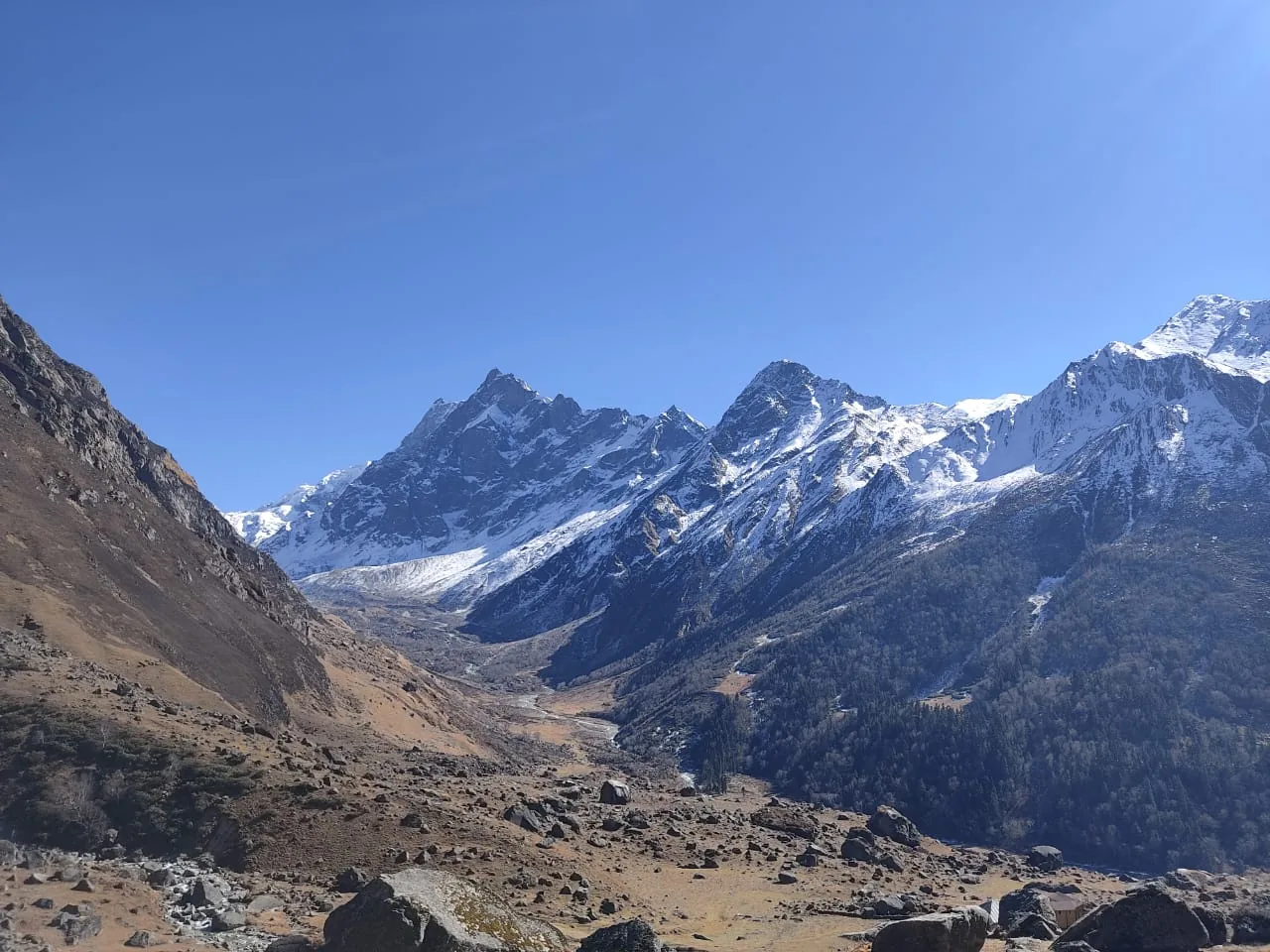
Har Ki Dun is one of the most beautiful autumn treks in Uttarakhand.

Often associated with its ancient valley, traditional villages and dramatic Himalayan surroundings, the trek offers much more than a simple mountain walk. The trail passes through forests, wooden villages, rivers and expansive landscapes before reaching the beautiful Har Ki Dun Valley.

2. Bali Pass Trek

Best for: High-altitude adventure and Himalayan passes
Difficulty: Difficult
Best autumn months: September to October

For experienced trekkers, the Bali Pass Trek offers a completely different autumn experience.

The trail connects the Har Ki Dun and Yamunotri valleys and takes you deep into the high mountains. Forests and meadows gradually give way to rugged terrain as you climb higher towards Bali Pass.

3. Phulara Ridge Trek

Best for: Ridge walking, panoramic views and autumn forests
Difficulty: Moderate
Best autumn months: September to November

Phulara Ridge is one of the most unique treks in Uttarakhand.

Instead of simply following a valley, the route takes you along a long Himalayan ridge, offering views on both sides as you walk.

Autumn is particularly beautiful here. The forests develop warm colours while the Pushtara meadows gradually turn golden. From the ridge, trekkers can enjoy wide mountain views without constantly being surrounded by steep valley walls.

4. Gaumukh Tapovan Trek

Gaumukh Tapovan Trek

Best for: Glaciers, high mountains and dramatic landscapes
Difficulty: Moderate to Difficult
Best autumn months: September to Early-November

The Gaumukh Tapovan Trek is perfect for trekkers who want to experience the raw beauty of the high Himalayas.

The route takes you towards Gaumukh, associated with the source of the Bhagirathi River, before continuing towards the spectacular Tapovan region.

As you gain altitude, the landscape changes dramatically. Forests gradually disappear and are replaced by rocky terrain, glaciers and enormous mountain walls.

5. Dayara Bugyal Trek

Best for: Alpine meadows, mountain views and beginners
Difficulty: Easy to Moderate
Best autumn months: September to November

Dayara Bugyal is one of Uttarakhand's most beautiful meadow treks.

The word "bugyal" refers to high-altitude grasslands, and Dayara is famous for its wide-open meadows surrounded by Himalayan peaks.

During autumn, the landscape begins transitioning from monsoon green to warm golden shades. The crisp air, open skies and expansive views make walking through the meadows incredibly peaceful.

6. Buran Ghati Trek

buran ghati trek in Autumn

Best for: Meadows, forests and high-altitude adventure
Difficulty: Moderate to Difficult
Best autumn months: September to October

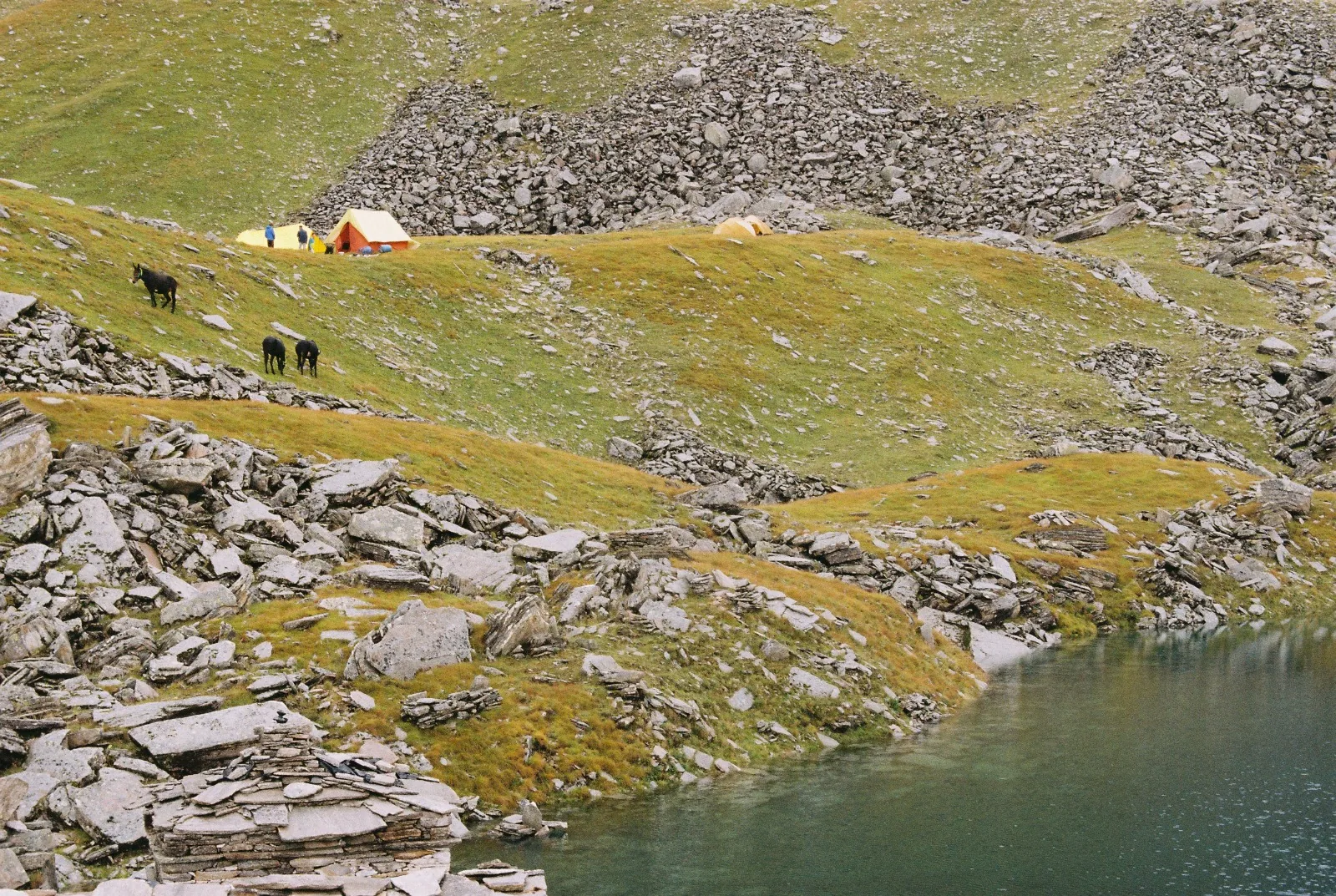
Buran Ghati is one of Himachal Pradesh's most spectacular autumn treks.

The route takes you through forests, grasslands, alpine landscapes and high mountain terrain before reaching the dramatic Buran Pass.

What makes autumn special here is the changing colour of the landscape. Lower sections may retain shades of green while higher sections develop beautiful yellows, oranges and browns.

The combination of forests, meadows, rugged terrain and the dramatic pass crossing makes Buran Ghati feel like several different Himalayan landscapes packed into one trek.

7. Rupin Pass Trek

Best for: Waterfalls, meadows, changing landscapes and adventure
Difficulty: Difficult
Best autumn months: September to October

The Rupin Pass Trek is famous for its dramatic change in landscapes.

The trail takes you through forests, villages, meadows, waterfalls and rugged high-altitude terrain before reaching the Rupin Pass.

Autumn is an excellent time to experience this diversity. After the monsoon, the landscape remains fresh while the skies become clearer. The changing colours of the forests and grasslands add to the visual drama.

One of the most fascinating aspects of Rupin Pass is how quickly the scenery changes as you gain altitude. A green valley can eventually become a rugged mountain landscape almost completely different from where you started.

8. Chopta Chandrashila Tungnath Trek

Best for: Beginners, Himalayan views and spirituality
Difficulty: Easy to Moderate
Best autumn months: September to November

The Chopta–Tungnath–Chandrashila Trek is one of the most accessible Himalayan trekking experiences in Uttarakhand.

The trail combines natural beauty with spirituality as it takes trekkers towards Tungnath Temple, one of the highest Shiva temples in the world, followed by the climb to Chandrashila.

From Chandrashila, clear autumn weather can provide spectacular views of the surrounding Himalayan peaks.

9. Aancha Top Trek

Best for: Peaceful trails, meadows and offbeat Himalayan experiences
Difficulty: Easy to Moderate
Best autumn months: September to November

If you prefer quieter trails over crowded trekking routes, Aancha Top is worth considering.

This lesser-known trek offers a peaceful Himalayan experience surrounded by forests, open landscapes and mountain views.

Autumn gives the trail a beautiful character as the vegetation begins changing colour and the post-monsoon skies become clearer.

10. Nag Tibba Trek

Best for: Beginners, weekend treks and first Himalayan experiences
Difficulty: Easy to Moderate
Best autumn months: October to November

Not every autumn trek needs to be long or demanding.

The Nag Tibba Trek is a fantastic option for beginners and people looking for a short Himalayan escape.

Located close to Dehradun and Mussoorie, Nag Tibba offers a relatively accessible route through forests before reaching the summit area, where trekkers can enjoy broad Himalayan views.

Autumn is particularly attractive because of the clear skies and comfortable trekking conditions.

If you have never done a Himalayan trek before, Nag Tibba can be an excellent introduction to mountain trekking.

Which Autumn Trek Should You Choose?

The best autumn trek depends on the kind of experience you want.

For beginners: Nag Tibba, Dayara Bugyal and Chopta Chandrashila Tungnath are good options.

For valleys and culture: Har Ki Dun is an excellent choice.

For panoramic ridge views: Phulara Ridge should be high on your list.

For meadows: Dayara Bugyal offers beautiful open landscapes.

For high-altitude adventure: Bali Pass, Rupin Pass and Buran Ghati are better suited to experienced trekkers.

For glaciers and massive mountains: Gaumukh Tapovan is hard to beat.

For an offbeat experience: Aancha Top offers a quieter Himalayan atmosphere.

The important thing is to choose a trek based on your fitness, experience, available time and comfort with altitude, rather than choosing only because a trek looks beautiful in photographs.

Final Thoughts

Autumn brings out a different personality of the Himalayas.

The rains have passed. The clouds begin to disappear. Forests change colour, meadows turn golden and distant peaks emerge against clear blue skies. The trails feel quieter, the air feels sharper and every sunrise and sunset seems a little more dramatic.

From the cultural landscapes of Har Ki Dun to the high-altitude challenge of Bali Pass, from the panoramic ridges of Phulara to the golden meadows of Dayara Bugyal, there is an autumn trek for almost every kind of mountain lover.

And perhaps that is what makes autumn so special.

You do not simply trek through the Himalayas in autumn — you get to watch the mountains change before your eyes.

If the mountains have been calling, this is one season worth answering.

FAQs About Autumn Trekking in India

1. Is autumn a good time for Himalayan trekking?

Yes. Autumn is widely considered one of the best trekking seasons in the Indian Himalayas because the monsoon has generally passed, skies become clearer and mountain visibility improves.

2. What are the best months for autumn trekking?

September, October and November are generally considered the autumn trekking window. October is particularly popular for many Himalayan routes because of clearer skies and relatively stable weather.

3. Which is the best autumn trek for beginners?

Nag Tibba, Dayara Bugyal and Chopta Chandrashila Tungnath are among the more accessible options on this list. 

4. Which is the best autumn trek for mountain views?

Phulara Ridge, Gaumukh Tapovan, Har Ki Dun and Chopta Chandrashila Tungnath are excellent choices for mountain views. Phulara Ridge is particularly special because the route offers panoramic views while walking along the ridge.

5. Is autumn better than summer for trekking?

For many Himalayan treks, autumn offers better mountain visibility and a different visual experience because of the clear post-monsoon skies and changing foliage. Summer, however, can be better for certain routes depending on altitude and the type of landscape you want to experience.

6. Is September good for trekking in Uttarakhand?

September can be a beautiful time for trekking, particularly as the monsoon season begins to recede. However, conditions can vary, and some areas may still experience rainfall early in the month. Always check the current trail and weather conditions before starting your trek.

7. Is October the best month for Himalayan trekking?

October is one of the most popular months for Himalayan trekking. The weather is generally more stable after the monsoon, visibility is often excellent and many trails showcase beautiful autumn colours.

8. Which autumn trek is best for experienced trekkers?

For experienced trekkers, Bali Pass, Rupin Pass, Buran Ghati and Gaumukh Tapovan offer more demanding terrain and high-altitude adventure. These routes require proper preparation, fitness and suitable equipment.

9. Will there be snow during autumn treks?

Snow conditions depend on altitude, location and the time of year. Lower and moderate-altitude trails may have little or no snow during early autumn, while higher-altitude areas can experience snow or early winter conditions later in the season.

10. What makes autumn treks different from winter treks?

Autumn usually offers clearer trails, golden and colourful landscapes and relatively moderate conditions before winter becomes severe. Winter treks, on the other hand, are characterised by colder temperatures, shorter daylight hours and, on suitable routes, much more snow.

11. Which autumn trek is best for photography?

Almost every trek on this list offers excellent photography opportunities, but Phulara Ridge, Har Ki Dun, Dayara Bugyal, Buran Ghati and Gaumukh Tapovan are especially rewarding because of their combination of changing landscapes, mountain views and autumn colours.

12. What should I consider before choosing an autumn trek?

Consider the difficulty level, altitude, duration, your fitness, previous trekking experience, weather conditions and available time. A beautiful trek is only enjoyable when it matches your experience and physical preparation.