Kuari Pass vs Ali Bedni Bugyal in Winter: Which Trek Should You Choose?
Trek Diaries

Kuari Pass vs Ali Bedni Bugyal in Winter: Which Trek Should You Choose?

Winter transforms the Indian Himalayas into a landscape of snow-covered forests, vast white meadows and towering mountain peaks. For trekkers planning a winter adventure in Uttarakhand, Kuari Pass and Ali Bedni Bugyal are two scenic high-altitude treks worth comparing.

Both treks are located in the Garhwal Himalayas and offer beautiful mountain scenery, peaceful forest trails and rewarding views. However, their landscapes, trekking routes and overall experiences are different. Kuari Pass is known for its panoramic views of some of the region's most famous Himalayan peaks, while Ali Bedni Bugyal is celebrated for its expansive alpine meadows and dramatic mountain backdrops.

If you are planning a winter trek in Uttarakhand for December, January or February, this guide will help you understand the differences between Kuari Pass and Ali Bedni Bugyal, including their beauty, difficulty, snow conditions and suitability for your next mountain adventure.

Kuari Pass vs Ali Bedni Bugyal: Quick Comparison

Trek feature

Kuari Pass Trek

Ali Bedni Bugyal Trek

Location

Chamoli district, Uttarakhand

Chamoli district, Uttarakhand

Maximum altitude

Approximately 12,516 ft

Approximately 12,500–12,550 ft

Trek duration

Usually 5–6 days, depending on the itinerary

Usually 4–6 days, depending on the itinerary

Difficulty

Moderate

Moderate

Starting region

Dhak, Karchi or nearby villages, depending on the route

Lohajung, with the route commonly passing through Wan

Main attraction

Panoramic Himalayan mountain views

Vast alpine meadows and mountain scenery

Winter landscape

Snow-covered forests, ridges and open slopes

Snow-covered meadows, forests and mountain clearings

Best for

Mountain panoramas and a classic high-altitude trek

Meadow landscapes, photography and peaceful mountain scenery

Altitude, distance and duration can vary slightly between trekking itineraries. Winter accessibility also depends on snowfall and local conditions. The approximate altitude and moderate difficulty ratings are consistent with published trekking information from Uttarakhand Tourism.

1. Kuari Pass Trek in Winter: A Trail of Snow and Himalayan Views

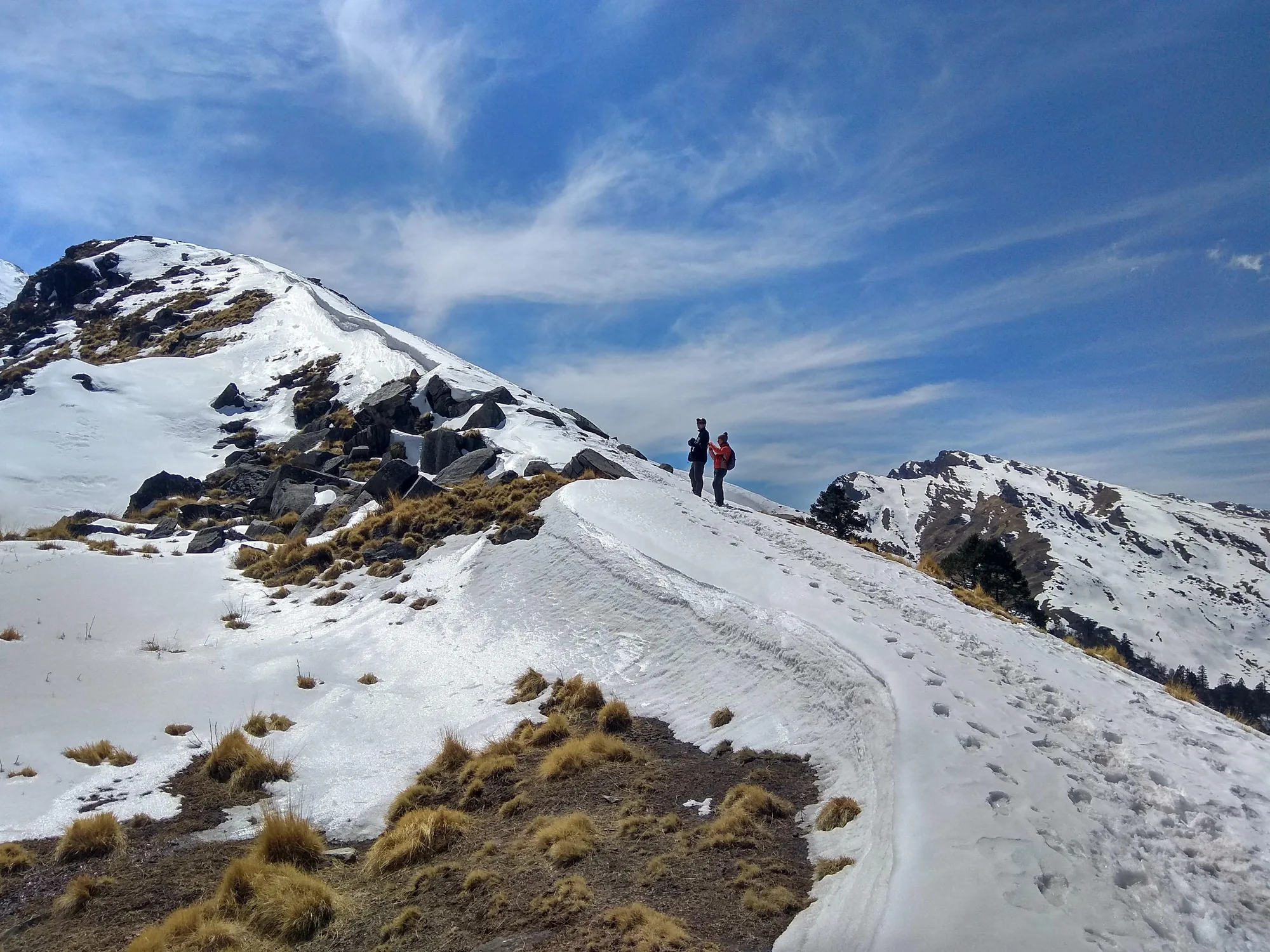
kuari pass in winter

Kuari Pass is one of the well-known high-altitude trekking routes in Uttarakhand. Also known as Lord Curzon's Trail, the trek takes you through beautiful forests, open mountain slopes and high-altitude landscapes in the Chamoli region.

The trail is especially appealing to trekkers who want to experience the grandeur of the Indian Himalayas during winter.

What makes Kuari Pass beautiful in winter?

The winter landscape of Kuari Pass combines snow-covered forests with expansive views of the surrounding mountain ranges. Oak, pine and rhododendron forests add character to the trail, while higher sections open up to impressive Himalayan panoramas.

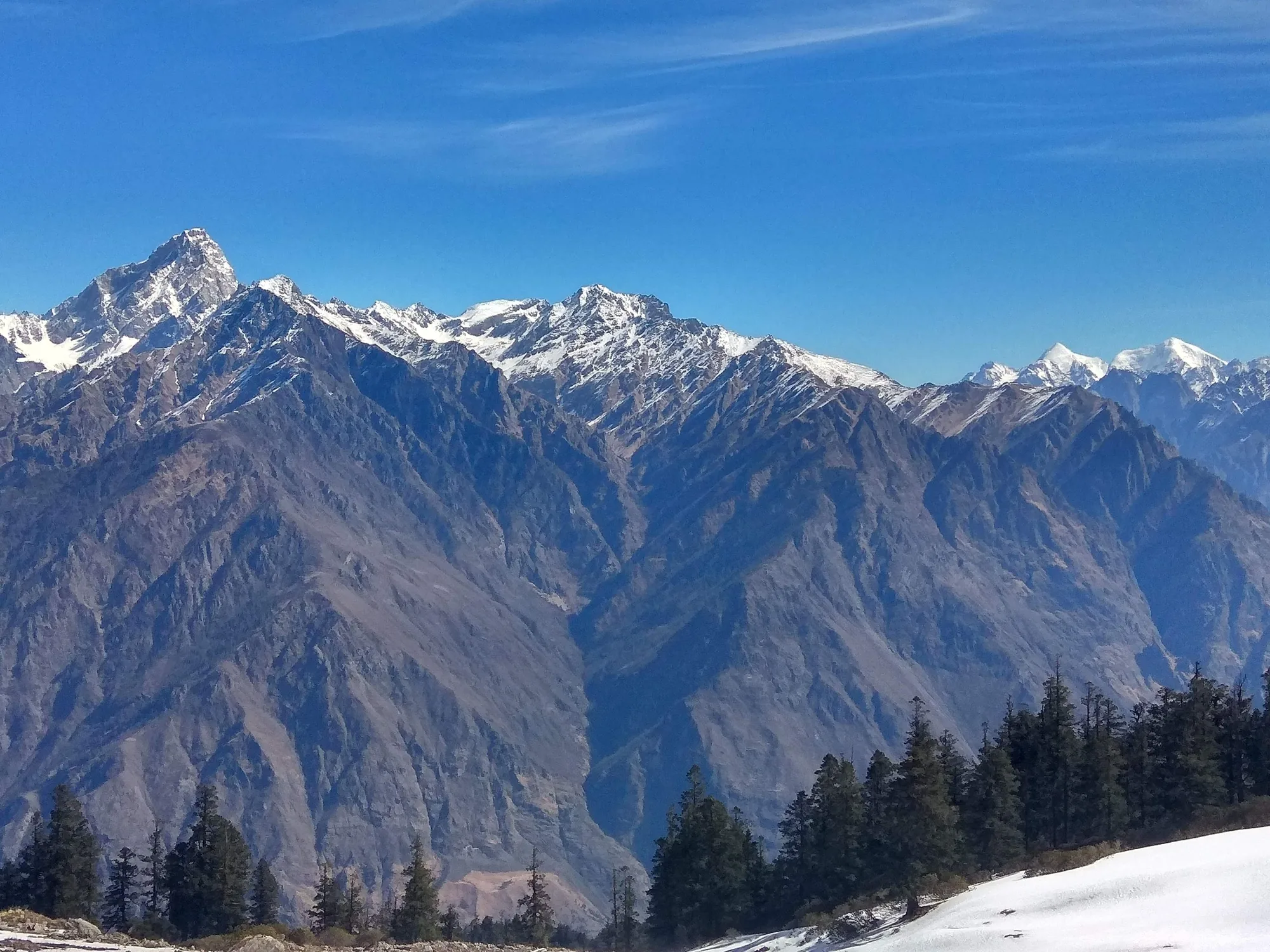
On clear days, trekkers may see prominent peaks such as Nanda Devi, Dronagiri, Kamet and Chaukhamba, depending on the route and viewpoint.

Fresh snowfall can transform the trail into a white landscape, with snow-covered branches, open slopes and mountain ridges creating excellent opportunities for winter photography. The contrast between the white snow and the deep blue winter sky makes Kuari Pass particularly attractive for mountain lovers.

What is the Kuari Pass winter trek experience like?

The experience involves gradual ascents, forest walks, high-altitude camps and long stretches of mountain scenery. As you gain altitude, the landscape becomes increasingly open, and the Himalayan peaks take centre stage.

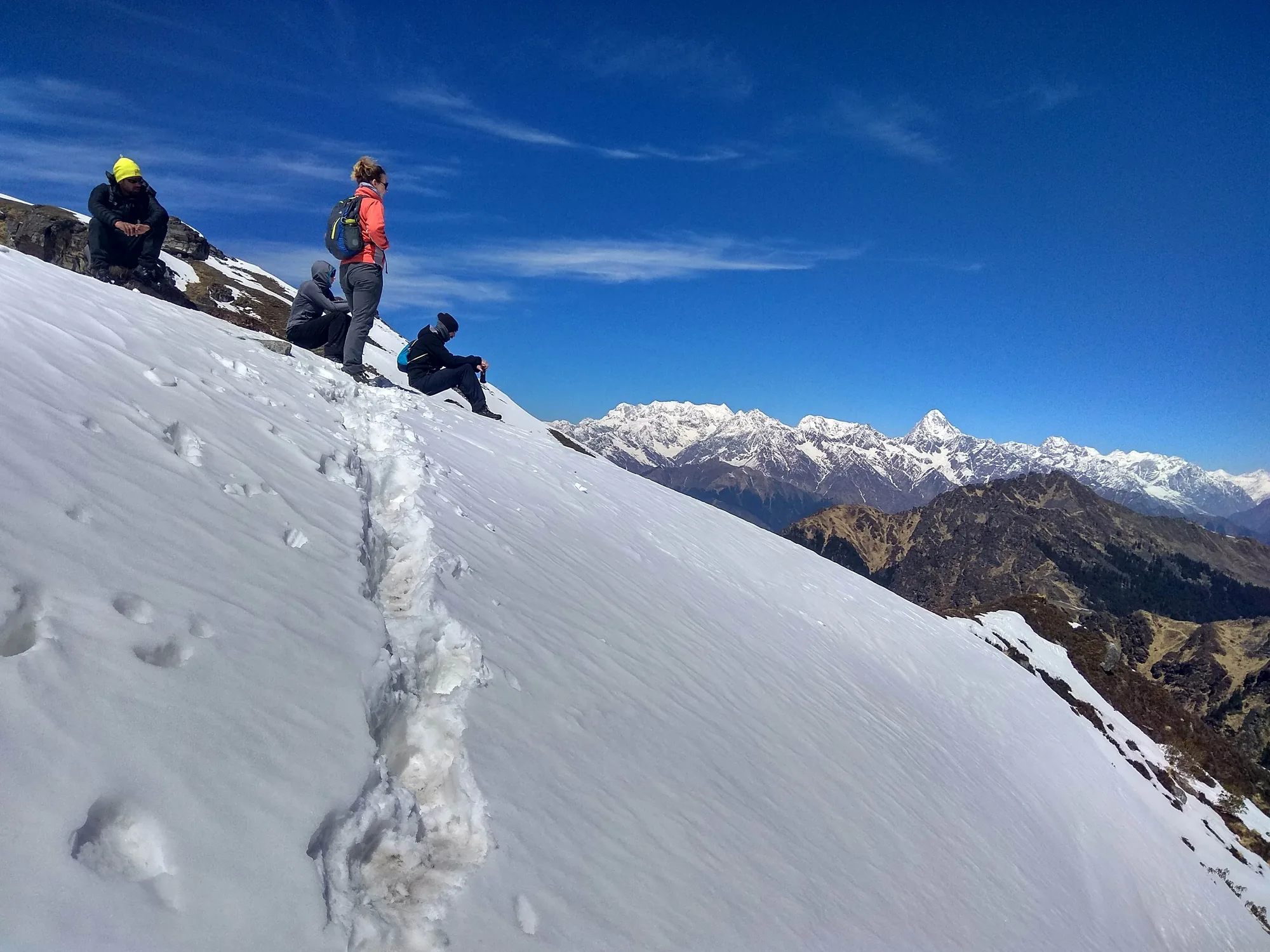
However, winter trekking here requires preparation. Snow can cover trail markers, icy sections can make walking difficult, and strong winds can make exposed areas feel much colder. A fresh snowfall may also affect whether the pass or a particular section can be reached safely.

Kuari Pass is best suited to trekkers who enjoy mountain panoramas and are prepared for the physical demands of walking in winter conditions.

2. Ali Bedni Bugyal Trek in Winter: Snow-Covered Alpine Meadows

Ali Bedni Bugyal is famous for its vast alpine meadows, which are among the most distinctive landscapes in the Garhwal Himalayas. Located in Chamoli district, the trek commonly begins around Lohajung and passes through forested trails and traditional mountain settlements before reaching the meadows.

During the warmer months, Ali Bugyal and Bedni Bugyal are known for their green grasslands and seasonal wildflowers. Winter brings a different atmosphere, with frost, snow-covered slopes and dramatic views of the surrounding peaks when conditions allow.

What makes Ali Bedni Bugyal beautiful in winter?

The main attraction of Ali Bedni Bugyal is its open landscape. Unlike a trek focused primarily on reaching a mountain pass, this route gives you the opportunity to experience expansive meadows set against the high Himalayan ranges.

The views of Trishul and Nanda Ghunti are among the highlights of the area. Bedni Bugyal also has a cultural and spiritual association with Bedni Kund, adding another dimension to the trek.

When snowfall covers the meadows, the open terrain can create a striking winter scene. The broad slopes, snow-covered clearings and mountain backdrops are especially appealing to photographers and travellers who enjoy quieter landscapes.

However, the famous green meadows look very different in winter. Heavy snow may cover much of the grassland, while limited snowfall can leave some sections brown, frosty or only partially white.

What is the Ali Bedni Bugyal winter trek experience like?

The route combines forest trekking with open meadow walks and mountain viewpoints. Depending on the itinerary and weather, you may spend time exploring the high-altitude grasslands and enjoying views of the surrounding peaks.

The open terrain can feel particularly peaceful in winter, but it also exposes trekkers to cold winds. Snow-covered slopes may be slippery, and deeper snow can make the route more physically demanding.

Ali Bedni Bugyal is a great choice for people who appreciate expansive landscapes, natural beauty and the contrast between dense forests and open Himalayan meadows. For a winter departure, it is essential to confirm that the planned route, campsites and access arrangements are suitable for the current conditions.

3. Which Trek Has Better Snow in Winter?

One of the most common questions among winter trekkers is whether Kuari Pass or Ali Bedni Bugyal offers a better snow experience.

The answer depends on the timing of your trek and the amount of snowfall that season.

Kuari Pass: Better for a classic winter trekking atmosphere

Kuari Pass is a strong option for trekkers looking for snow-covered forest trails, high mountain viewpoints and the experience of walking through a winter landscape.

Snowfall can make the higher sections particularly beautiful, but it can also increase the difficulty of the trek. The pass crossing or other exposed sections may need to be modified if conditions become unsafe.

Ali Bedni Bugyal: Better for open meadow scenery

Ali Bedni Bugyal is especially appealing if you want to experience broad alpine meadows surrounded by Himalayan peaks. When the grasslands receive good snowfall, the open landscape can look spectacular.

However, the route should not be selected solely on the assumption that the meadows will be completely covered in snow. Snow depth and trail conditions vary from year to year.

Our recommendation: Choose Kuari Pass if mountain panoramas and a classic winter trekking route are your priority. Choose Ali Bedni Bugyal if you prefer expansive meadows and open landscapes. For either trek, check recent snowfall reports and local trail conditions before booking.

4. Kuari Pass vs Ali Bedni Bugyal: Which Trek Is More Difficult?

Both treks are generally graded moderate, but winter conditions can make either route more challenging.

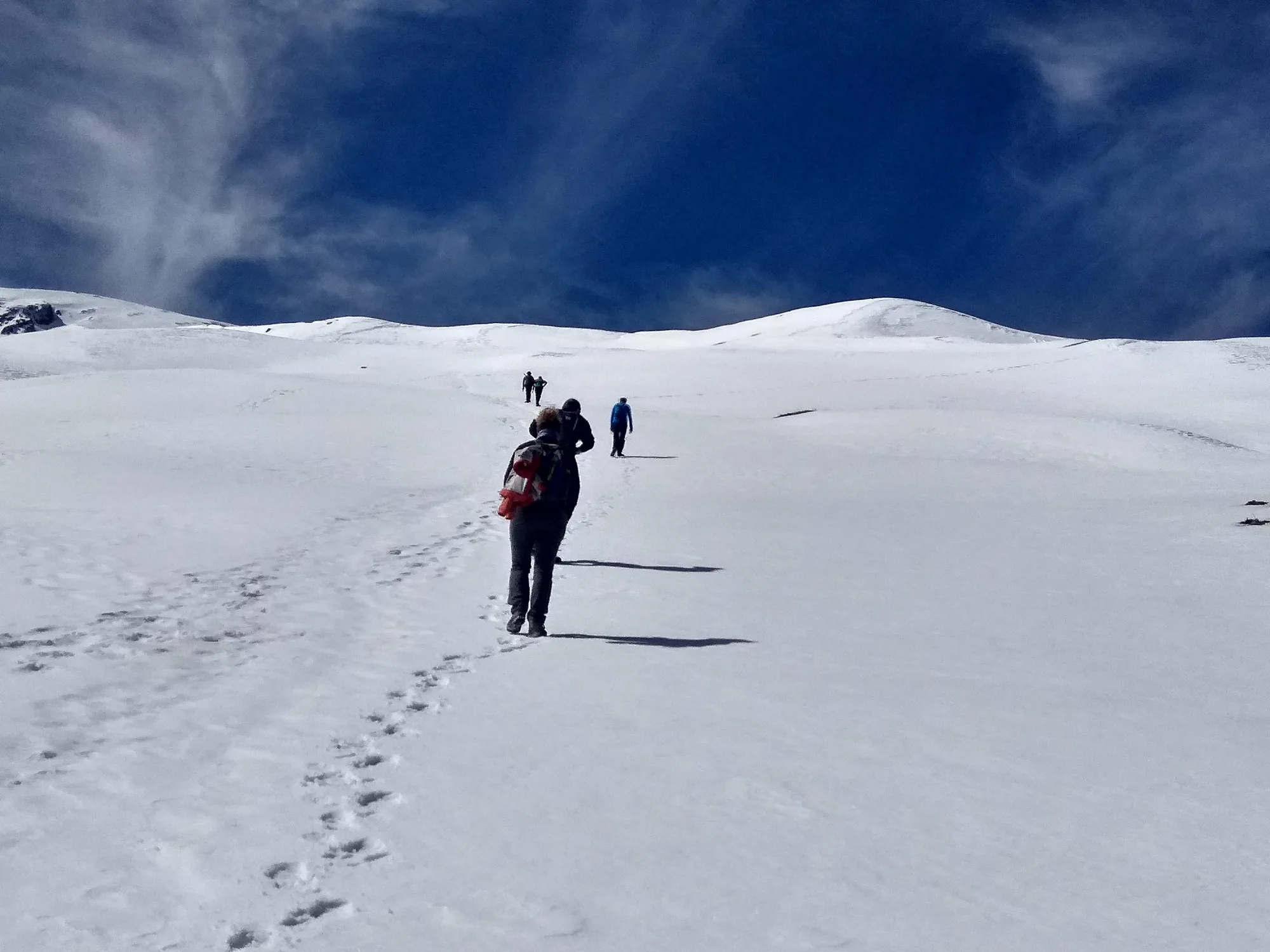
Kuari Pass includes ascents towards high mountain viewpoints and sections that may become slippery or difficult to navigate after snowfall. Its exposed terrain and the possibility of deep snow require careful movement and good preparation.

kuari pass trek

Ali Bedni Bugyal involves forest trails, ascents and open meadow sections. Depending on the itinerary, the length of the walking days and the condition of the snow can affect the overall difficulty.

Neither trek should be considered an easy winter walk simply because its standard difficulty rating is moderate.

Before choosing either route, consider your fitness, previous trekking experience, ability to walk for several hours and comfort with cold weather. First-time trekkers should train beforehand and choose a professionally managed itinerary with experienced trek leaders.

5. Kuari Pass vs Ali Bedni Bugyal: Month-Wise Temperature Guide (November to March)

Winter temperatures on the Kuari Pass and Ali Bedni Bugyal treks vary with altitude, snowfall and weather conditions. Days may feel relatively comfortable in the sunshine, but temperatures can drop sharply after sunset, especially at higher campsites.

The table below provides an approximate guide to daytime and nighttime temperatures for planning your winter trek.

Month

Kuari Pass (Day)

Kuari Pass (Night)

Ali Bedni Bugyal (Day)

Ali Bedni Bugyal (Night)

November

5°C to 12°C

-6°C to 0°C

8°C to 12°C

-2°C to 2°C

December

2°C to 9°C

-6°C to -12°C

3°C to 6°C

-5°C to -8°C

January

0°C to 7°C

-8°C to -15°C

0°C to 3°C

-10°C to -15°C

February

1°C to 8°C

-7°C to -13°C

2°C to 5°C

-8°C to -12°C

March

5°C to 12°C

-4°C to 2°C

5°C to 10°C

-3°C to -6°C

Note: These are approximate planning ranges compiled from published trekking guides, not official weather forecasts. Actual temperatures may fall outside these ranges, and readings can differ between campsites, lower trail sections and exposed ridges. 

Which Month Is Best for a Winter Trek?

  • November: A good option for crisp mountain views and early winter conditions, although snowfall is not guaranteed.

  • December: Winter becomes more intense, and the chances of encountering snow generally increase as the month progresses.

  • January: Often one of the coldest periods, with potentially deep snow and freezing nights at higher camps.

  • February: A good choice for winter scenery, provided the route is accessible and conditions are safe.

  • March: A transition towards spring, with snow potentially melting on lower trails while remaining at higher elevations.

If your main goal is to experience snow-covered landscapes, Kuari Pass and Ali Bedni Bugyal can both be rewarding options. However, snowfall varies every year, so check recent weather updates and trail conditions before booking.

6. What to Pack for a Winter Trek in Uttarakhand

Proper clothing and equipment are essential for a safe winter trekking experience.

Here are some important items to prepare:

  • Warm clothing: Thermal base layers, fleece or insulated mid-layers, and a good winter jacket.

  • Waterproof outerwear: A waterproof jacket and trousers for snow and changing weather.

  • Trekking shoes: Waterproof trekking boots with good grip and ankle support.

  • Warm accessories: Insulated gloves, a warm cap, a neck warmer and suitable socks.

  • Trekking poles: Useful for balance on uneven or snow-covered terrain.

  • Snow equipment: Microspikes or gaiters when required by the route and conditions, following your trek operator's advice.

  • Sun protection: Sunglasses, sunscreen and lip balm.

  • Personal essentials: A reusable water bottle, personal medicines, a headlamp and a small daypack.

Your trekking operator should confirm the technical equipment required for the actual snow conditions. Avoid attempting exposed or icy sections without appropriate equipment and guidance.

7. How to Choose Between Kuari Pass and Ali Bedni Bugyal

The best trek is the one that matches the kind of winter experience you want.

Choose Kuari Pass if you want:

  • Panoramic views of prominent Himalayan peaks.

  • Snow-covered forest trails and mountain ridges.

  • A classic high-altitude trekking experience.

  • A route with a strong focus on mountain viewpoints.

kuari pass trek package

Choose Ali Bedni Bugyal if you want:

  • Expansive alpine meadows and open landscapes.

  • Forest walks combined with broad mountain clearings.

  • Scenic photography opportunities.

  • A quieter-feeling meadow landscape, depending on the season and trekking traffic.

Both treks offer beautiful views of the Indian Himalayas. Your final decision should also consider the route's current accessibility, your fitness level, the planned itinerary and the availability of a responsible trekking team.

Frequently Asked Questions

1. Which is better in winter: Kuari Pass or Ali Bedni Bugyal?

Kuari Pass is a strong choice for trekkers seeking panoramic Himalayan views and snow-covered forest trails. Ali Bedni Bugyal is better suited to people who love expansive alpine meadows and open mountain landscapes. The better option depends on your preferred scenery, fitness and actual snow conditions during your travel dates.

2. Is Kuari Pass a good winter trek?

Yes. Kuari Pass can be a rewarding winter trek, offering forest trails, high-altitude scenery and views of peaks such as Nanda Devi and Dronagiri on clear days. Snow and ice can make the route more difficult, so proper winter clothing, suitable equipment and experienced trek leaders are important.

3. Can you do the Ali Bedni Bugyal trek in winter?

Winter access to Ali Bedni Bugyal depends on weather, snow depth, trail conditions and local arrangements. The meadows can be beautiful under snow, but heavy snowfall may make the route more demanding or affect access. Confirm the planned itinerary and current conditions with a reliable local trekking operator before travelling.

4. Which trek has more snow, Kuari Pass or Ali Bedni Bugyal?

Neither trek can be guaranteed to have more snow throughout the winter. Snow coverage depends on recent snowfall, altitude, exposure and the exact route. Kuari Pass can offer snowy forests and mountain slopes, while Ali Bedni Bugyal can provide broad snow-covered meadows when conditions are favourable. Check recent local reports before booking.

5. Are Kuari Pass and Ali Bedni Bugyal suitable for beginners?

Both treks are generally rated moderate, but winter snow can increase their difficulty. A beginner with good fitness may be able to complete either trek with proper preparation and a professionally managed itinerary. People without previous trekking experience should understand the cold-weather challenges and avoid attempting the routes independently in difficult conditions.

6. What is the maximum altitude of Kuari Pass?

Kuari Pass reaches approximately 12,516 feet (3,815 metres) above sea level. The precise altitude quoted may vary slightly between sources and route descriptions. Because the trek reaches a high elevation, trekkers should follow an appropriate itinerary, allow time for acclimatisation and report any symptoms of altitude illness to their trek leader.

7. What is the maximum altitude of Ali Bedni Bugyal?

Ali Bedni Bugyal reaches approximately 12,500–12,550 feet, depending on the viewpoint and itinerary. The trek passes through high-altitude meadows in Chamoli district and is known for views of peaks including Trishul and Nanda Ghunti. Weather, snow and trail conditions should be considered when planning a winter visit.

8. Is snowfall guaranteed on these treks in December or January?

No. December and January can bring substantial snowfall, but the amount and timing vary each year. Some sections may remain snow-covered while others have little snow. If seeing snow is your main priority, check recent snowfall updates and consult your trekking operator before confirming your dates.

9. What should I choose for winter photography: Kuari Pass or Ali Bedni Bugyal?

Choose Kuari Pass for mountain panoramas, snow-covered trees and dramatic ridgelines. Ali Bedni Bugyal is ideal for wide-angle meadow photographs and mountain landscapes with a more open foreground. Both can be excellent for photography, depending on visibility, snow coverage and weather during your trek.

10. How can I prepare for a winter trek in Uttarakhand?

Build your stamina with regular walking, stair climbing and cardio workouts before the trek. Pack suitable thermal layers, waterproof outerwear, insulated gloves and trekking boots with good grip. Choose a responsible operator, check the weather forecast and follow your trek leader's instructions. Keep a buffer day in your travel plans because winter weather can cause delays.
Final Verdict: Kuari Pass or Ali Bedni Bugyal in Winter?

Kuari Pass and Ali Bedni Bugyal offer two different ways to experience winter in the Indian Himalayas.

Kuari Pass stands out for its expansive mountain panoramas, snowy forest trails and high-altitude trekking experience. Ali Bedni Bugyal is memorable for its wide alpine meadows, forest paths and views of the surrounding Himalayan peaks.

If your priority is dramatic mountain scenery, Kuari Pass deserves a place on your winter trekking list. If you love open grasslands and expansive landscapes, Ali Bedni Bugyal is worth considering, provided the route is suitable for winter travel.

Whichever trek you choose, plan carefully, prepare for cold weather and respect changing mountain conditions. Winter in the Himalayas is beautiful, but the best experience comes from choosing the right route for your abilities and travelling responsibly.

Planning a winter trek in Uttarakhand? Explore the Kuari Pass and Ali Bedni Bugyal trek options with Himalaya Shelter, check available dates and choose an itinerary that matches your fitness, schedule and preferred winter experience.

Explore the Great Himalayan Trail with Himalaya Shelter

Beyond winter treks like Kuari Pass and Ali Bedni Bugyal, Himalaya Shelter also offers the Great Himalayan Trail (GHT), an extraordinary long-distance trekking experience across the Indian Himalayas. Spanning hundreds of kilometres through remote valleys, high mountain passes and spectacular Himalayan landscapes, the GHT is designed for trekkers seeking a more challenging and immersive mountain adventure. With routes connecting Uttarakhand to Himachal Pradesh and Spiti, it offers an opportunity to explore lesser-known trails, experience diverse mountain cultures and discover the raw beauty of the Himalayas. Whether you are planning your first winter trek or dreaming of a long-distance Himalayan expedition, Himalaya Shelter offers experiences for different levels of trekking ambition.