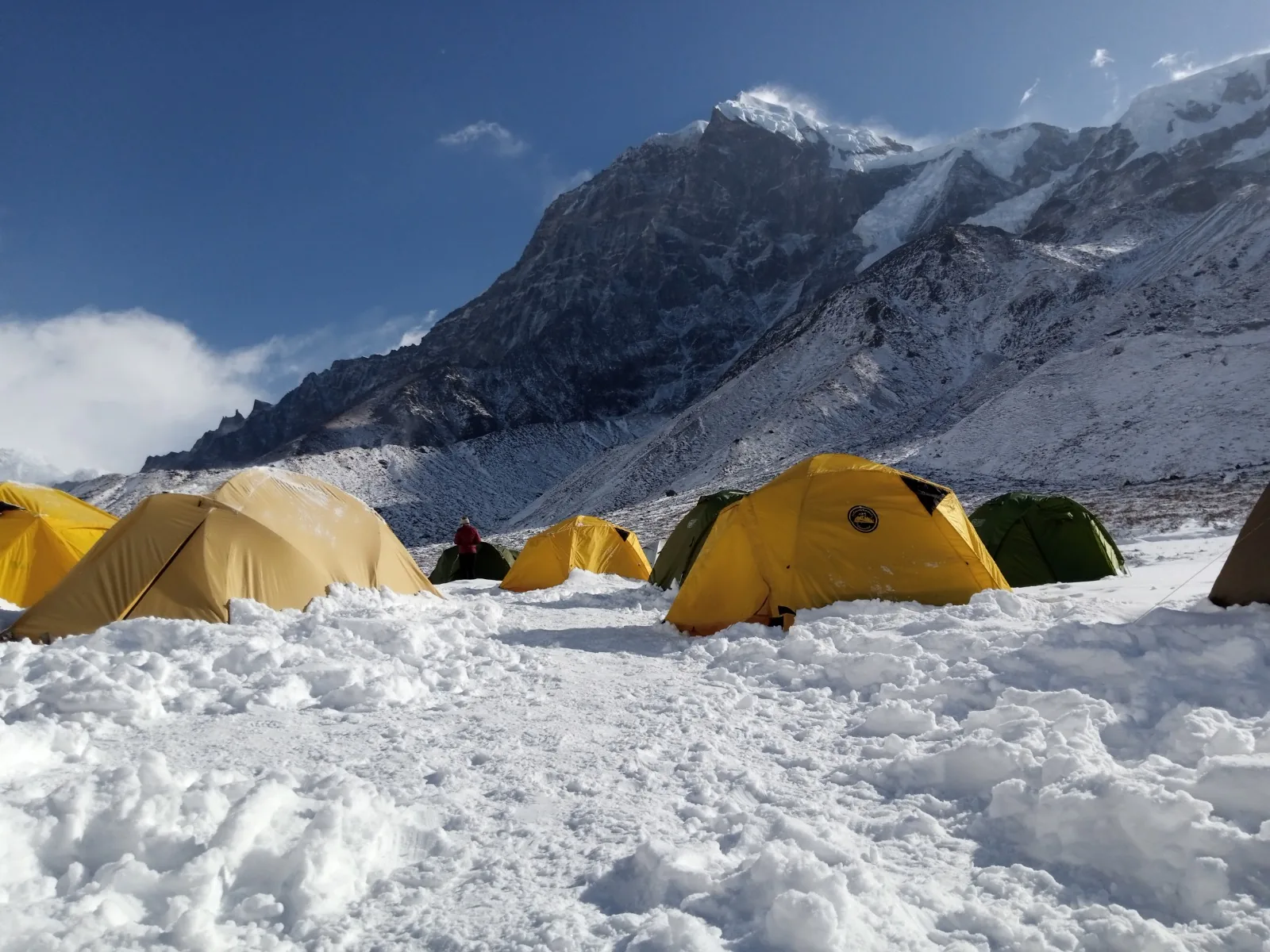
Top 7 Treks in Northeast India for Your Next Himalayan Adventure
Trek Diaries

Top 7 Treks in Northeast India for Your Next Himalayan Adventure

Northeast India is home to some of the most beautiful and less-explored trekking routes in the Indian Himalayas. From the dramatic mountain landscapes of Sikkim to the high-altitude trails along the Singalila Range, the region offers incredible experiences for trekkers who want to explore remote valleys, alpine forests, high mountain passes, and panoramic Himalayan views.

Whether you are looking for a classic trekking experience, a challenging high-altitude expedition, or a quieter trail away from crowded destinations, Northeast India has plenty to offer. Popular routes such as the Sandakphu Trek and Dzongri Trek attract trekkers with their spectacular mountain views, while lesser-known routes offer opportunities to discover the region's untouched landscapes.

In this guide, we explore the top 7 treks in Northeast India, including the Dzongri Trek, Sandakphu Trek, Goechala Trek, Uttarey–Sangalila Trek, Seven Sisters Trek, Yamnong–Singalila Trek, and Dafeybhir Pass Trek.
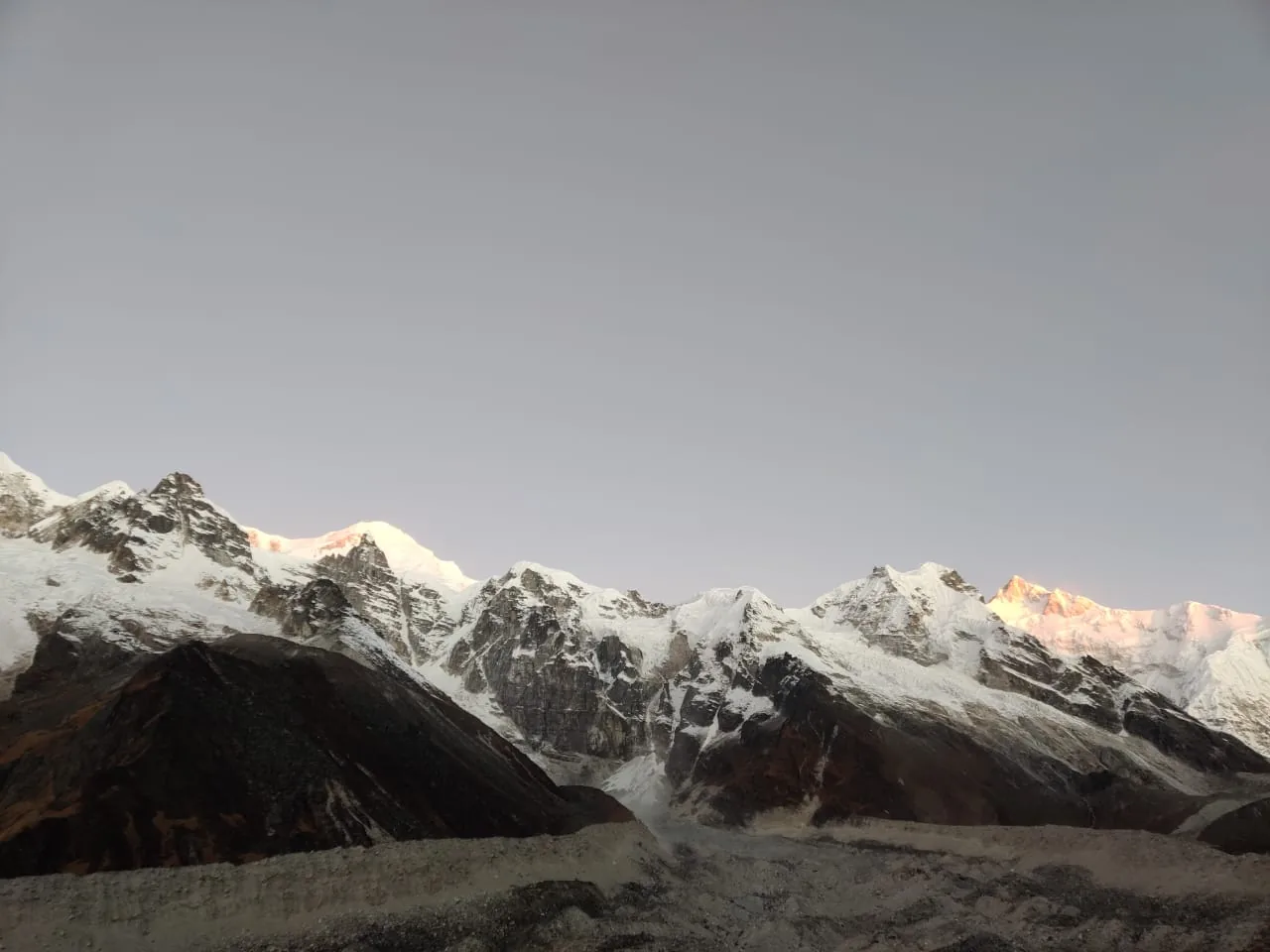
1. Dzongri Trek, Sikkim

The Dzongri Trek is one of the most rewarding trekking experiences in Sikkim, offering beautiful views of the high Himalayan peaks and an introduction to the region's incredible mountain scenery. Located in the western part of Sikkim, this trek passes through dense forests, charming mountain trails, and alpine meadows before reaching the scenic Dzongri viewpoint.

The trail generally begins at Yuksom and follows sections of the route leading towards the Goechala region. Along the way, trekkers pass through forests of rhododendron, oak, and magnolia, with changing landscapes as they gain altitude. During spring, blooming rhododendrons add colour to the trail.

One of the main highlights is the panoramic view of Mount Kanchenjunga and the surrounding Himalayan peaks from the Dzongri viewpoint. The experience is particularly rewarding for trekkers who want to enjoy high-altitude mountain scenery without necessarily completing the longer Goechala route.

  • Location: West Sikkim, India

  • Duration: Approximately 5–8 days, depending on the itinerary

  • Difficulty: Moderate

  • Best time to visit: April–May and October–November

  • Main highlights: Dzongri viewpoint, rhododendron forests, alpine landscapes, and Kanchenjunga views

The Dzongri Trek is an excellent choice for trekkers looking for a scenic Himalayan adventure with a rewarding high-altitude viewpoint.

2. Sandakphu Trek, West Bengal

The Sandakphu Trek is one of the most famous trekking routes in eastern India. Located along the Singalila Ridge on the border of West Bengal and Nepal, the trek is known for its spectacular mountain panoramas and beautiful forest trails.

Sandakphu is the highest point in West Bengal, standing at approximately 11, 745 ft. From the summit, trekkers can enjoy views of some of the world's highest mountains, including Mount Everest, Kanchenjunga, Lhotse, and Makalu, when weather conditions are clear.

The route passes through picturesque villages, forests of rhododendron and magnolia, and rolling mountain ridges. Traditional settlements along the way provide opportunities to experience the local culture and hospitality of the region.

Spring is particularly beautiful when rhododendrons bloom across the hills, while autumn is known for its clear skies and excellent mountain visibility. Winter can bring snow to parts of the trail, adding another dimension to the trekking experience.

  • Location: Darjeeling district, West Bengal, along the India–Nepal border

  • Duration: Approximately 5–7 days

  • Difficulty: Moderate

  • Best time to visit: March–May and October–November

  • Main highlights: Four of the world's highest mountains, Singalila National Park, mountain villages, and ridge walks

The Sandakphu Trek is ideal for those seeking a memorable Himalayan trek with expansive mountain views, accessible trails, and a mix of natural beauty and local culture.

3. Goechala Trek, Sikkim

north east treks

The Goechala Trek is one of the most spectacular high-altitude treks in Sikkim. Known for its dramatic mountain scenery, challenging ascents, and close views of the Kanchenjunga massif, it attracts experienced trekkers from across India and beyond.

The trek usually begins in Yuksom and follows a trail through dense forests, mountain streams, alpine meadows, and rugged high-altitude terrain. As trekkers gain elevation, the landscape gradually changes from green forests to open valleys surrounded by towering Himalayan peaks.

One of the most memorable sections is the approach towards the Goechala viewpoint, where the enormous Kanchenjunga massif dominates the skyline. Sunrise over the surrounding peaks can be a particularly rewarding experience, depending on weather conditions and the viewpoint reached.

The Goechala Trek requires good physical fitness because of its long walking days, significant altitude gain, and changing weather conditions. Proper acclimatisation and preparation are essential.

  • Location: West Sikkim, India

  • Duration: Approximately 8–10 days

  • Difficulty: Moderate-Difficult

  • Best time to visit: April–May and October–November

  • Main highlights: Kanchenjunga massif, Samiti Lake, alpine valleys, and high-altitude Himalayan landscapes

For trekkers looking for a demanding adventure in the eastern Himalayas, the Goechala Trek offers an unforgettable combination of physical challenge and spectacular mountain scenery.

4. Uttarey–Sangalila Trek, Sikkim

The Uttarey–Singalila Trek is a wonderful option for trekkers who want to explore the quieter side of the eastern Himalayas. Starting from Uttarey in West Sikkim, this route follows the Singalila Ridge through remote mountain landscapes, forest trails, alpine terrain, and traditional settlements.

Unlike some of the more popular trekking routes in the region, the Singalila trail offers a sense of remoteness and solitude. The route towards Chewabhanjang Pass and further along the ridge provides opportunities to experience the natural beauty of the Sikkim Himalayas away from busy trekking circuits.

Depending on the itinerary, the trek can pass through areas such as Dhor and Sikkim Megu. Trekkers can expect changing landscapes, mountain ridges, and expansive views of the surrounding Himalayan ranges. The route is particularly appealing to experienced hikers who enjoy long-distance trekking and less-travelled trails.

The trail also has historical and cultural significance, as mountain passes along the Singalila Ridge have traditionally connected communities on both sides of the India–Nepal border.

  • Location: Uttarey, West Sikkim

  • Duration: Approximately 8-15 days, depending on the route

  • Difficulty: Moderate-Difficult

  • Best time to visit: Mid-May to October, subject to local conditions

  • Main highlights: Singalila Ridge, Chewabhanjang Pass, remote mountain trails, and panoramic Himalayan views

The Uttarey–Singalila Trek is an excellent choice for travellers seeking an offbeat Himalayan trekking experience with a mix of wilderness, mountain scenery, and cultural exploration.

5. Seven Lakes Trek, Anini, Arunachal Pradesh

The Seven Lakes Trek is one of the most remote and adventurous trekking experiences in Arunachal Pradesh. Located near Anini in the Dibang Valley, this offbeat trail takes trekkers deep into the mountains to discover seven beautiful high-altitude lakes surrounded by forests, alpine meadows, and untouched wilderness.

Unlike the popular trekking routes of Sikkim and West Bengal, the Seven Lakes Trek offers a different Himalayan experience, with dense vegetation, steep mountain trails, and landscapes shaped by the region's rich biodiversity. The trek also provides an opportunity to experience the natural beauty and cultural heritage of the Idu Mishmi region.

The trail begins near Anini, with the actual trekking route starting from a nearby village, depending on the chosen itinerary. As trekkers gain altitude, the landscape changes from lush green valleys and thick forests to open grasslands and high-altitude lakes. The lakes, hidden among remote mountain slopes, are the main highlight of this expedition.

Reaching these lakes requires good physical fitness, careful planning, and support from experienced local guides. The trail can involve steep ascents and descents, muddy forest paths, river crossings, and limited facilities, making it better suited to experienced trekkers.

  • Location: Anini, Dibang Valley, Arunachal Pradesh

  • Duration: Approximately 7-9 days, depending on the itinerary

  • Difficulty: Moderate-Difficult

  • Best time to visit: June–July for lush landscapes and wildflowers, or August–November for generally better visibility, subject to weather conditions

  • Main highlights: Seven high-altitude lakes, dense forests, alpine meadows, remote mountain trails, and Idu Mishmi culture

The Seven Sisters Trek is an excellent choice for experienced adventurers looking to explore one of the lesser-known trekking destinations in Northeast India. Its remote setting, beautiful lakes, and challenging terrain make it a distinctive experience in the eastern Himalayas.

6. Yambong–Singalila Trek, Sikkim

The Yambong–Singalila Trek is one of the lesser-explored trekking routes in Sikkim, offering an opportunity to discover the remote landscapes of the eastern Himalayas. Located in West Sikkim, this trek takes you through dense forests, high-altitude meadows, mountain ridges, and secluded valleys with spectacular views of the surrounding Himalayan peaks.

The trek generally begins near Nambu and follows trails through Sang Khola, Naya Patal, Lower Yambong, and Upper Yambong before continuing towards Gomathang and the higher reaches of the Singalila region. Depending on the itinerary, the route may connect with Dzongri and the Goechala trail.

One of the highlights of the Yambong–Singalila Trek is the changing landscape. The trail begins among lush forests of rhododendron and other Himalayan vegetation before opening into alpine terrain and remote mountain campsites. Trekkers can also enjoy impressive views of the Kanchenjunga range and other Himalayan peaks when the weather is clear.

The trek involves long walking days, significant altitude gain, and sections of challenging terrain. It is best suited to trekkers with good physical fitness who want to explore beyond the more familiar trails of Sikkim.

  • Location: West Sikkim, Sikkim, India

  • Duration: Approximately 10–11 days of trekking, depending on the itinerary

  • Difficulty: Moderate-Difficult

  • Best time to visit: Mid-March to May and mid-September to November, subject to local conditions

  • Main highlights: Yambong Valley, rhododendron forests, remote campsites, Singalila Ridge, and views of the Kanchenjunga range

The Yambong–Singalila Trek is an excellent choice for experienced hikers seeking a quieter Himalayan adventure, with remote trails, beautiful landscapes, and a chance to explore one of Sikkim's lesser-known trekking regions.

7. Dafeybhir Pass Trek, Sikkim

The Dafeybhir Pass Trek is one of the most intriguing options for trekkers seeking a remote and adventurous experience in Sikkim. Located in the western part of the state, the route forms part of the wider Singalila trekking region and is known for its high mountain terrain, alpine landscapes, and relative isolation.

The trek follows a less-frequented trail through the mountains, with sections that can include steep ascents, rugged ridgelines, alpine meadows, and high-altitude terrain. Depending on the itinerary, the route connects areas around Uttarey, Chewabhanjang, Sikkim Megu, Dafey Bhir, and Gomathang.

One of the biggest attractions of the Dafeybhir Pass Trek is its remote character. Unlike heavily visited trekking destinations, this route offers a more expedition-like experience, with fewer established facilities and a greater need for logistical planning.

The trail reaches approximately 4,635 metres (15,200 feet), making altitude awareness and proper acclimatisation important. Weather conditions can change quickly at higher elevations, so trekkers should be prepared for cold temperatures, strong winds, and challenging trail conditions.

  • Location: West Sikkim, along the Singalila trekking region

  • Duration: Approximately 7–10 days, depending on the itinerary

  • Difficulty: Moderate to challenging

  • Best time to visit: May–June and October–November, subject to local conditions and route access

  • Main highlights: Dafey Bhir, remote mountain passes, alpine landscapes, and the less-explored trails of Sikkim

The Dafeybhir Pass Trek is a strong choice for experienced trekkers who want to explore beyond mainstream Himalayan routes and discover the quieter landscapes of the eastern Himalayas.

Tips for Planning a Trek in Northeast India

Before setting out on a Himalayan trekking adventure, keep these essential points in mind:

  1. Choose the right trek: Match the route's difficulty, duration, and altitude to your fitness level and previous trekking experience.

  2. Prepare physically: Build stamina with regular walking, stair climbing, cardio, and strength exercises before your trek.

  3. Acclimatise properly: High-altitude routes such as Goechala and Dafeybhir Pass require a sensible itinerary and adequate time to adjust to the elevation.

  4. Check permits and local rules: Trekking requirements vary by route. Some areas require permits, registered guides, or other authorisations.

  5. Pack appropriate clothing: Carry layered clothing, waterproof outerwear, sturdy trekking shoes, and suitable cold-weather equipment.

  6. Travel with experienced guides: This is especially important on remote trails where navigation, weather changes, and limited facilities can make trekking more demanding.

  7. Respect local communities and nature: Avoid littering, minimise plastic waste, follow designated trails, and respect local customs and wildlife.

Frequently Asked Questions About Treks in Northeast India

1. Which are the best treks in Northeast India?

Some of the best-known trekking routes in Northeast India include the Sandakphu Trek, Dzongri Trek, and Goechala Trek. For trekkers seeking less-explored mountain routes, the Uttarey–Singalila and Dafeybhir Pass trails in Sikkim are also worth considering.

2. Which is the most challenging trek on this list?

The Goechala Trek and Dafeybhir Pass Trek can be challenging because of their altitude, long walking days, and remote terrain. The actual difficulty depends on the itinerary, weather, and trail conditions.

3. What is the best time for trekking in Sikkim?

Spring (April–May) and autumn (October–November) are popular seasons for many Sikkim treks. However, the best time varies by route, and remote high-altitude trails may have seasonal access restrictions.

4. Is the Sandakphu Trek suitable for beginners?

Yes, the Sandakphu Trek can be suitable for beginners with reasonable fitness and preparation. However, the walking distance, elevation, weather, and itinerary should be considered before booking.

5. What is the difference between the Dzongri Trek and the Goechala Trek?

Both treks explore the Kanchenjunga region of Sikkim. The Dzongri Trek is generally shorter and focuses on the Dzongri viewpoint, while the Goechala Trek continues deeper into the mountains and involves a longer, more demanding itinerary.

6. Do I need permits for trekking in Northeast India?

Permit requirements depend on the trek and its location. Some routes in Sikkim have specific trekking and forest regulations, while other areas may have different requirements. Check with the relevant authorities and your trekking operator before travelling.

7. Are lesser-known treks in Sikkim safe?

They can be rewarding when planned responsibly, but remote trails may have limited facilities, difficult navigation, and rapidly changing weather. Use experienced local guides, check current route conditions, and carry appropriate equipment.

Final Thoughts

Northeast India offers a remarkable variety of trekking experiences, from the iconic mountain panoramas of Sandakphu to the high-altitude landscapes of Goechala and the remote ridges of the Singalila region.

The Dzongri Trek is a rewarding choice for those seeking beautiful mountain views, while the Goechala Trek offers a more demanding adventure. Sandakphu is ideal for expansive Himalayan panoramas, and the less-frequented trails around Uttarey and Dafeybhir Pass appeal to trekkers looking for a quieter, more adventurous experience.

Whichever route you choose, take time to prepare, understand the trail conditions, and respect the fragile mountain environment. With thoughtful planning, trekking in Northeast India can become an unforgettable way to experience the beauty and diversity of the eastern Himalayas.