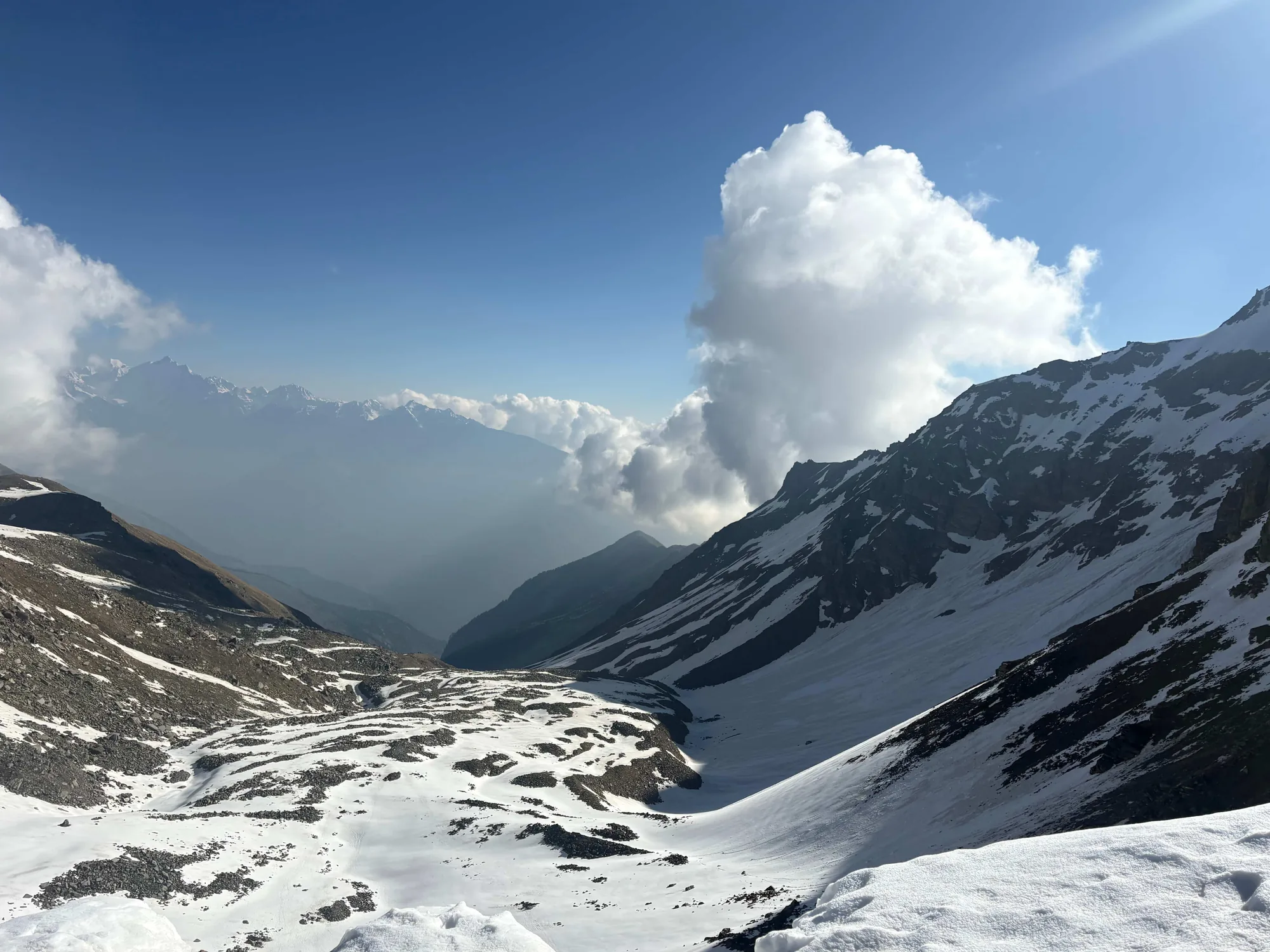
1. Buran Ghati | 4,575 m
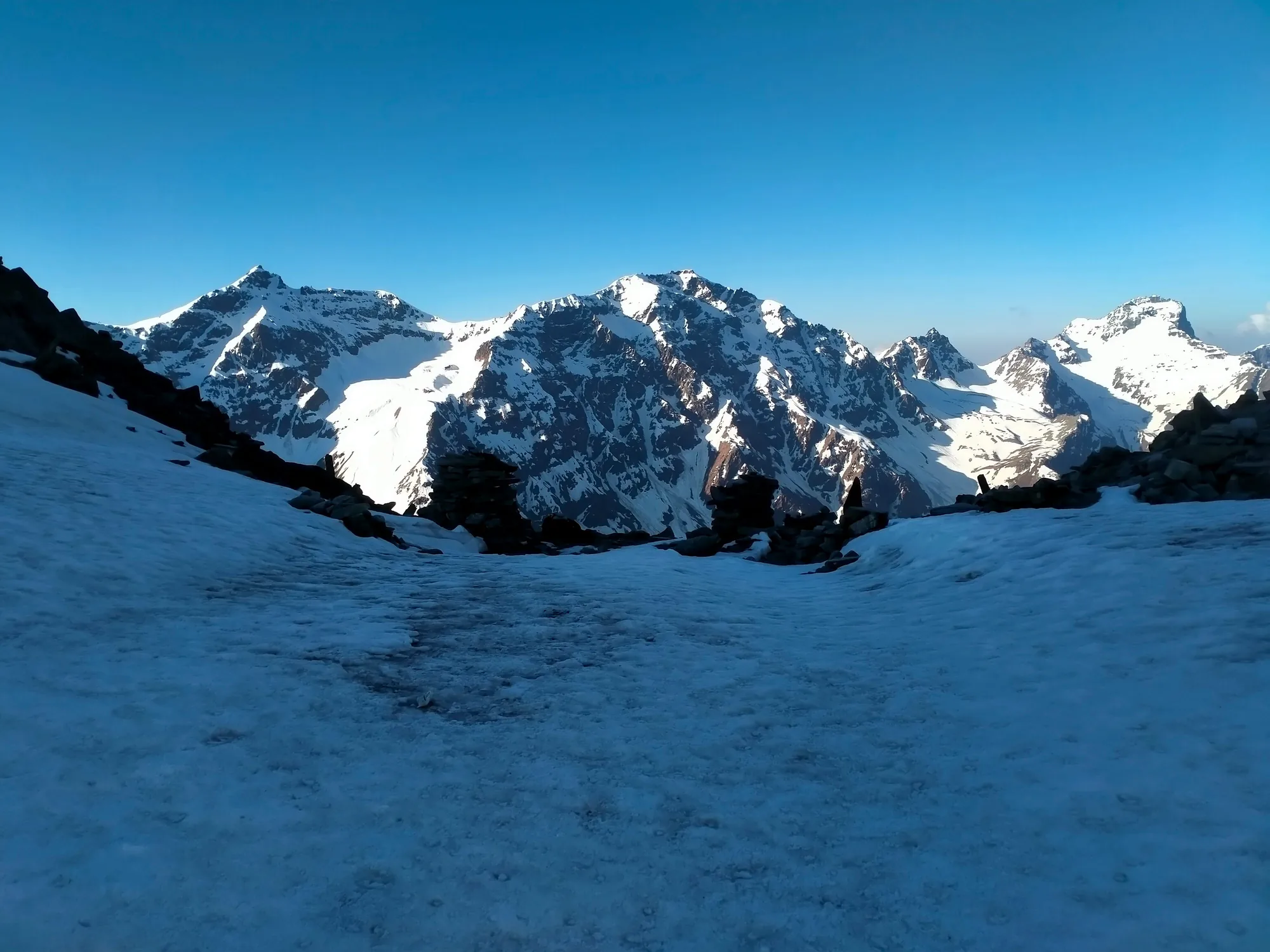
Buran Ghati is one of the most beautiful high-altitude passes associated with Kinnaur. It sits in a spectacular Himalayan landscape of forests, meadows, snow-covered slopes and high mountain valleys.
The region around Buran Ghati is known for its dramatic change in scenery. The lush landscapes on one side gradually transition into the rugged high-altitude terrain beyond the pass.
Buran Ghati is particularly significant for travellers interested in the Himalayan routes between the Shimla region and Kinnaur. It also forms part of the wider network of mountain crossings that make the western Himalayas so fascinating.
For anyone researching the best mountain passes in Himachal Pradesh, Buran Ghati is a name that deserves attention.
2. Rupin Pass | 4,625 m
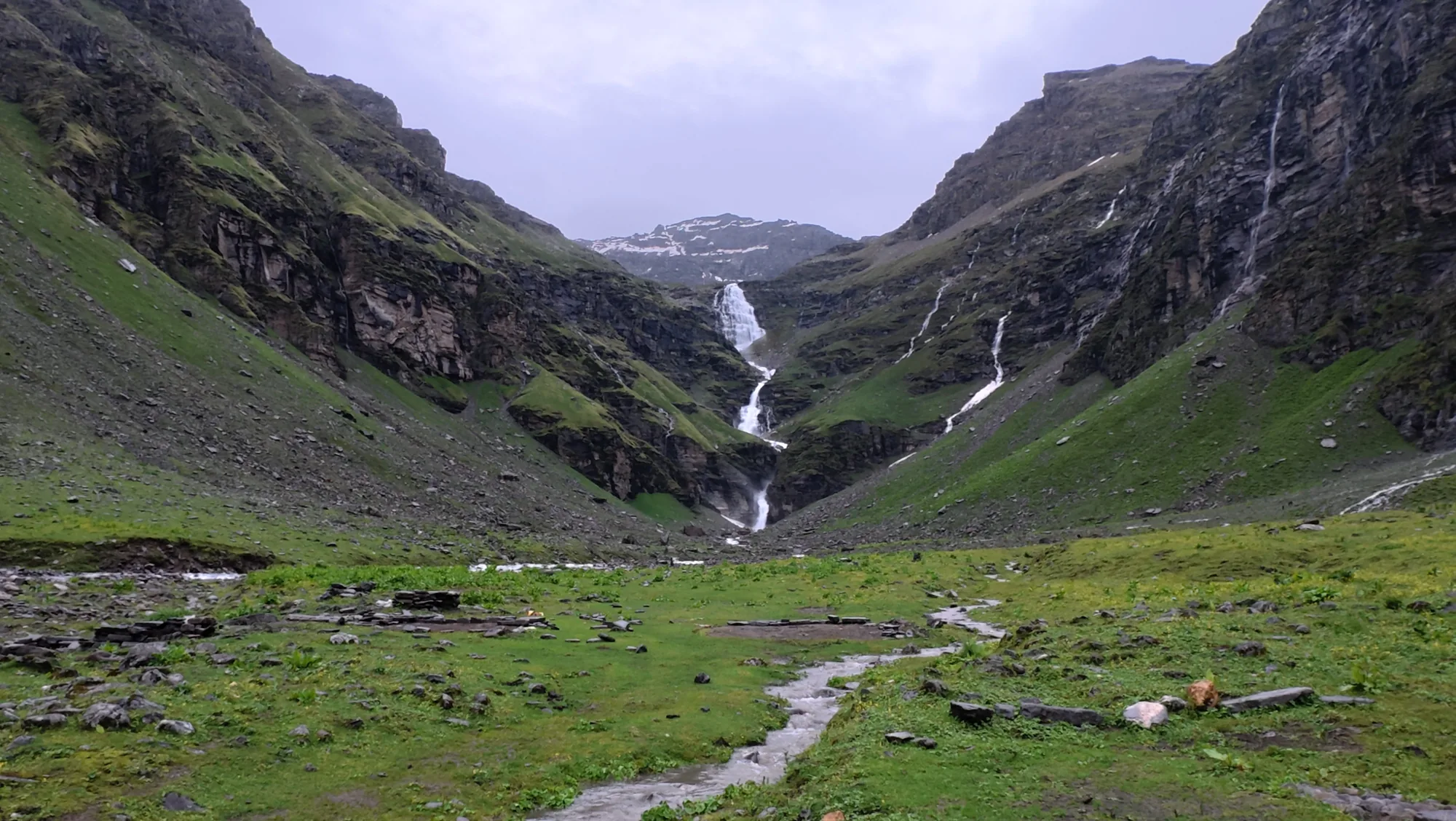
Rupin Pass, also known as Rupin Ghati, lies near the Uttarakhand-Himachal Pradesh boundary and connects the Rupin Valley with the Kinnaur region.
The pass reaches approximately 4,625 metres according to Himachal Pradesh government records.
Rupin Pass is especially interesting because it represents a natural transition between two Himalayan states. The route approaches the high mountains through the Rupin Valley before entering the dramatic landscapes of Kinnaur.
The surrounding region includes forests, waterfalls, alpine meadows, snowfields and rugged mountain slopes.
3. Pin Bhaba Pass | 4,865 m
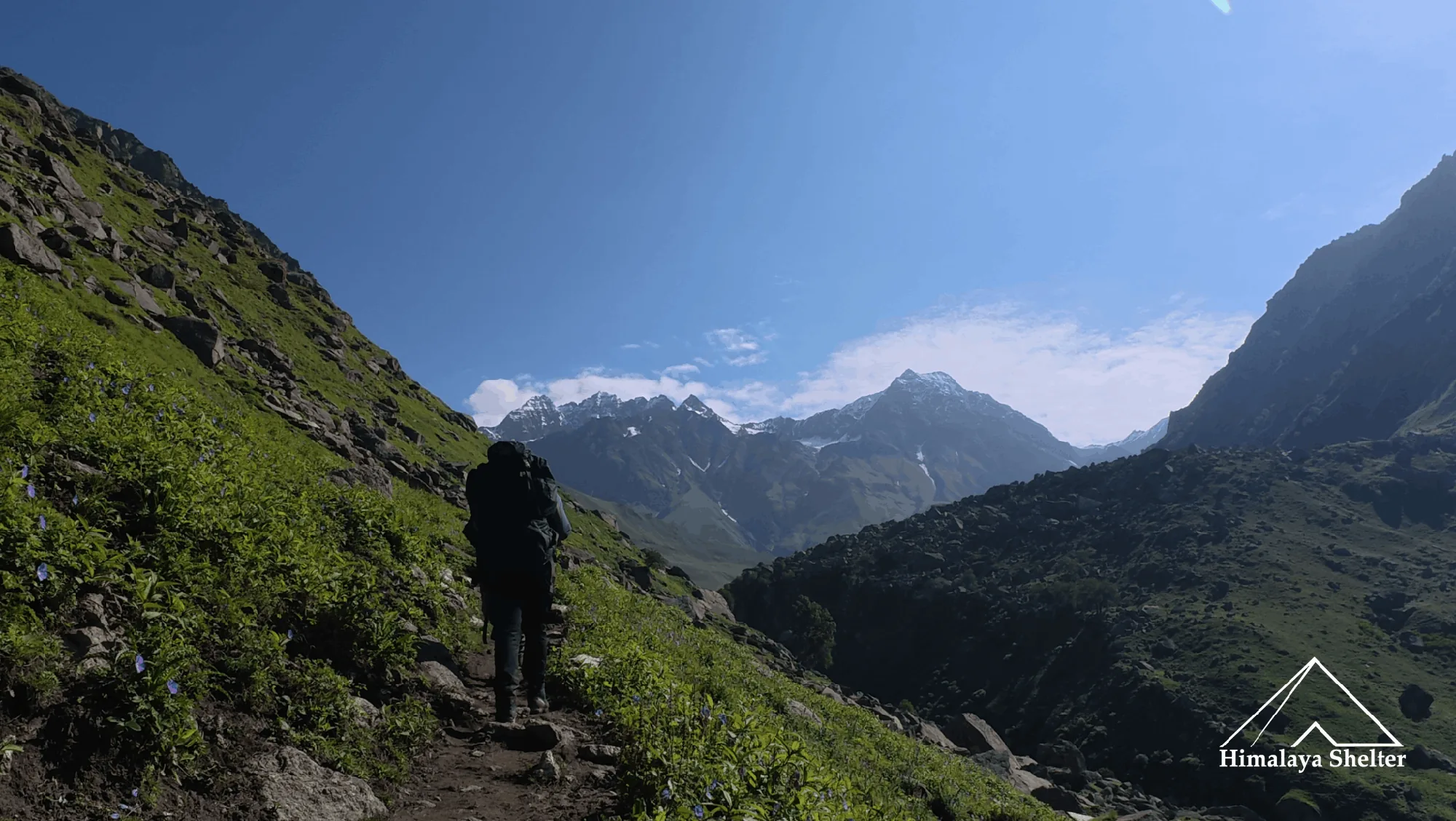
Pin Bhaba Pass is one of the major high-altitude crossings between Kinnaur and Spiti.
The pass connects the Bhaba Valley of Kinnaur with Pin Valley in Spiti, creating a remarkable transition between two very different Himalayan environments.
The Lahaul-Spiti district administration lists Bhaba Pass, or Tari Khango, at approximately 4,865 metres. It also describes the route as a traditional connection between the Pin and Bhaba valleys.
The Bhaba side is greener, with forests and alpine landscapes, while the Pin Valley has the dry, rugged appearance characteristic of the Trans-Himalaya.
This contrast makes Pin Bhaba Pass one of the most fascinating geographical crossings in Himachal Pradesh.
4. Pin Parvati Pass | 5,319 m
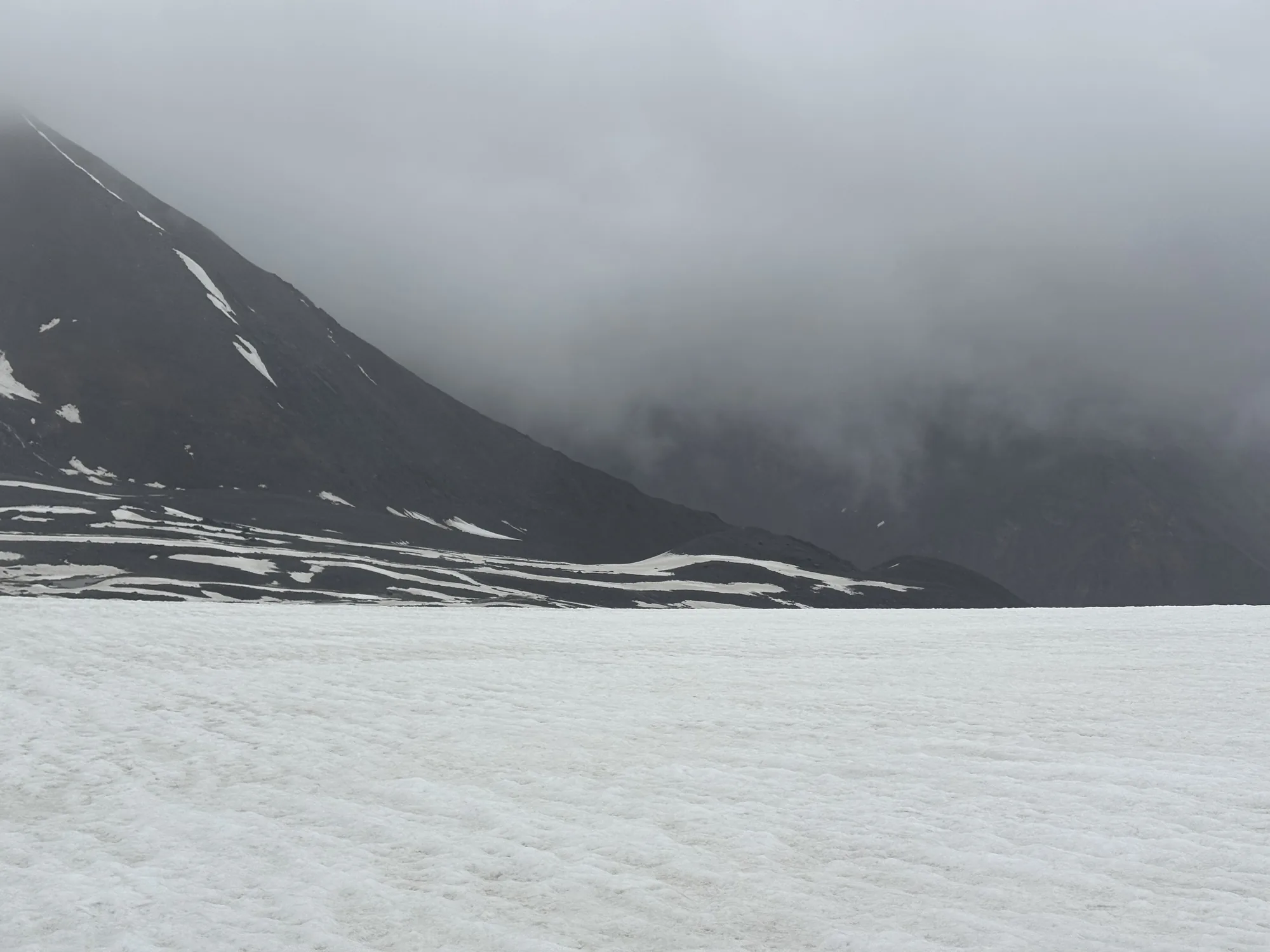
At approximately 5,319 metres, Pin Parvati Pass is one of the major high-altitude passes of Himachal Pradesh.
It connects the Parvati Valley of Kullu with Pin Valley of Spiti, creating a direct geographical link between two very different landscapes. The official Lahaul-Spiti district website describes Pin Parvati as a major pass linking the Pin and Parvati valleys.
On the Kullu side, the mountains are greener and receive more monsoon influence. On the Spiti side, the landscape becomes progressively drier and more barren.
This dramatic geographical change is one of the defining characteristics of the pass.
5. Parang La | 5,580 m
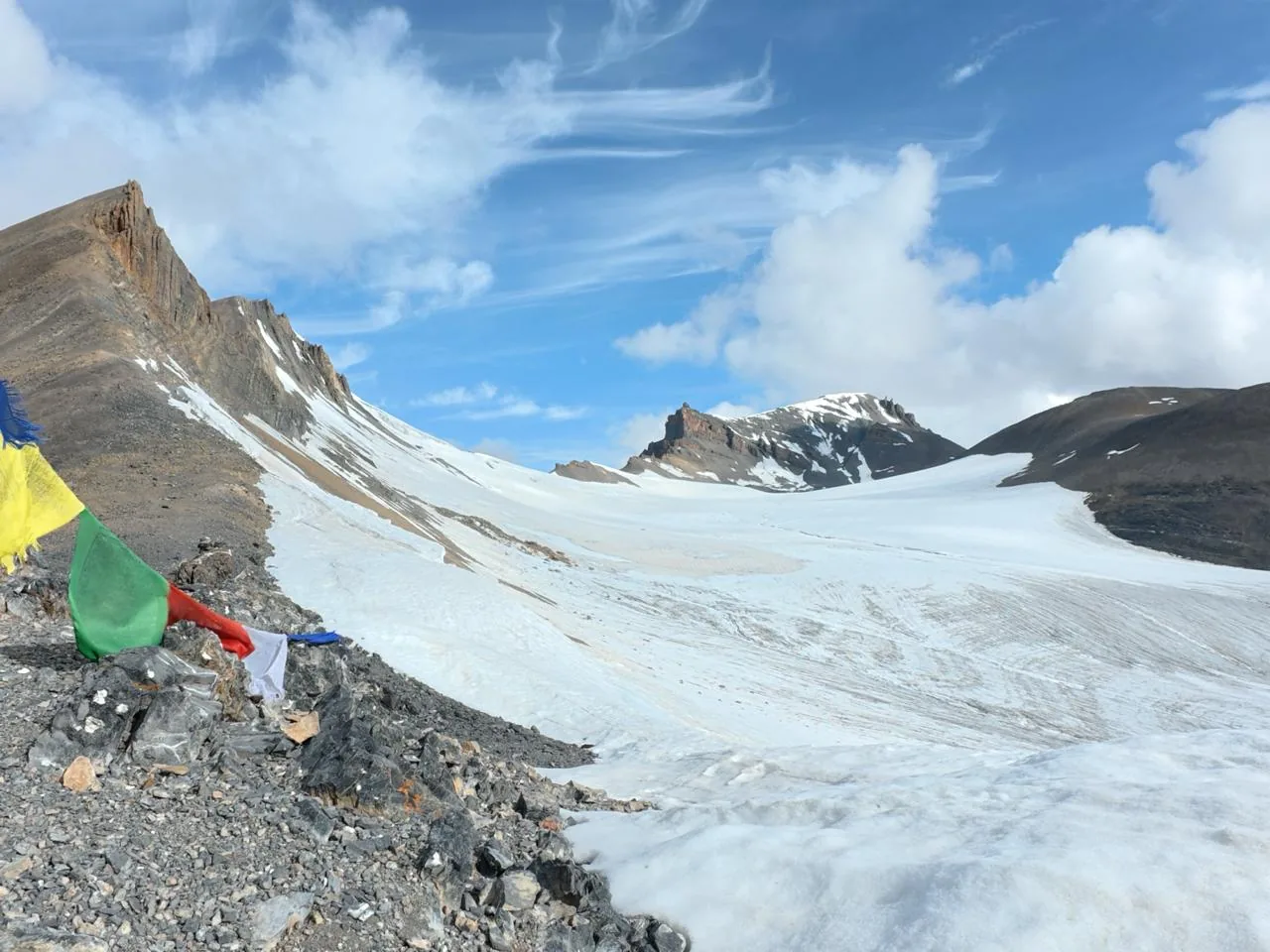
Parang La is one of the highest and most remote passes associated with the Himachal Pradesh–Ladakh region.
Situated at approximately 5,580 metres, Parang La connects Spiti Valley with parts of Ladakh. The Lahaul-Spiti district administration notes the presence of a glacier and crevassed terrain around the pass.
The landscape here is distinctly Trans-Himalayan, with barren mountains, glaciers, high valleys and vast open terrain.
Parang La is particularly significant for long-distance Himalayan journeys because it forms a natural link between Spiti and the highlands towards Ladakh.
6. Rohtang Pass | 3,978 m
One of the most famous passes in the state, Rohtang Pass connects Kullu with Lahaul.
At approximately 3,978 metres, it is one of the major gateways from the Manali side towards the higher landscapes of Lahaul.
Rohtang has long been an important geographical crossing in the Pir Panjal range. Although modern infrastructure has changed travel through the region, the pass remains an iconic landmark of Himachal Pradesh.
The landscape around Rohtang includes snow-covered mountains, glaciers and expansive high-altitude terrain.
7. Kunzum Pass | 4,520 m
Kunzum Pass, or Kunzum La, is one of the most important passes of the Lahaul-Spiti region.
Located at approximately 4,520 metres, it connects Lahaul with Spiti and provides a dramatic entry into the cold desert landscape of Spiti Valley.
The mountains around Kunzum are stark and rugged, with wide open valleys and little vegetation compared with the greener landscapes of Kullu.
Kunzum is also an important geographical marker on the route between the Manali and Spiti regions.
8. Bara-lacha La | 4,980 m
Bara-lacha La is one of the best-known high mountain passes of the western Himalayas. It lies in the Lahaul region and forms part of the historic route towards Ladakh.
The pass is surrounded by barren high-altitude mountains, snowfields and vast Himalayan landscapes. Its location makes it an important geographical transition between the Himalayan valleys of Himachal Pradesh and the Trans-Himalayan terrain towards Ladakh.
9. Sach Pass | 4,395 m
Located in the Chamba-Pangi region, Sach Pass is another major mountain crossing of Himachal Pradesh.
The pass reaches approximately 4,395 metres and connects Chamba with the remote Pangi Valley.
Sach Pass is surrounded by rugged mountains and receives heavy snowfall. Its remote location gives the region a distinctly wild character compared with the more accessible mountain areas around Manali.
10. Indrahar Pass | 4,320 m
Indrahar Pass is one of the most famous passes in the Dhauladhar range.
Located between the Kangra and Chamba regions, it reaches approximately 4,320 metres.
The pass is known for its impressive mountain views and its position high in the Dhauladhar. From the surrounding ridges, the landscape opens towards the Kangra Valley on one side and the high mountains of Chamba on the other.
11. Hampta Pass | 4,270 m
Hampta Pass is located in the Pir Panjal region and connects the Kullu side with the Lahaul landscape.
Its importance comes from the sharp geographical contrast around it. The Kullu side is greener and more forested, while the landscape beyond the pass becomes considerably drier.
12. Thamsar Pass | 4,572 m
Tamsar Pass is situated in the Dhauladhar range and connects the Kangra side with the Bara Banghal region.
At approximately 4,572 metres, it is among the higher passes of western Himachal Pradesh.
The surrounding landscape consists of high mountain valleys, rocky ridges and snow-covered terrain, making it one of the lesser-known but significant passes in the region.
13. Kugti Pass | 5,060 m
Kugti Pass is located in the high mountains of the Chamba region and provides a connection towards Lahaul.
The pass lies in a remote landscape dominated by steep mountain slopes, glaciers and high-altitude valleys. Historically, crossings such as Kugti were important links between communities separated by the high Himalayan ranges.
14. Lamkhaga Pass | 5,280 m
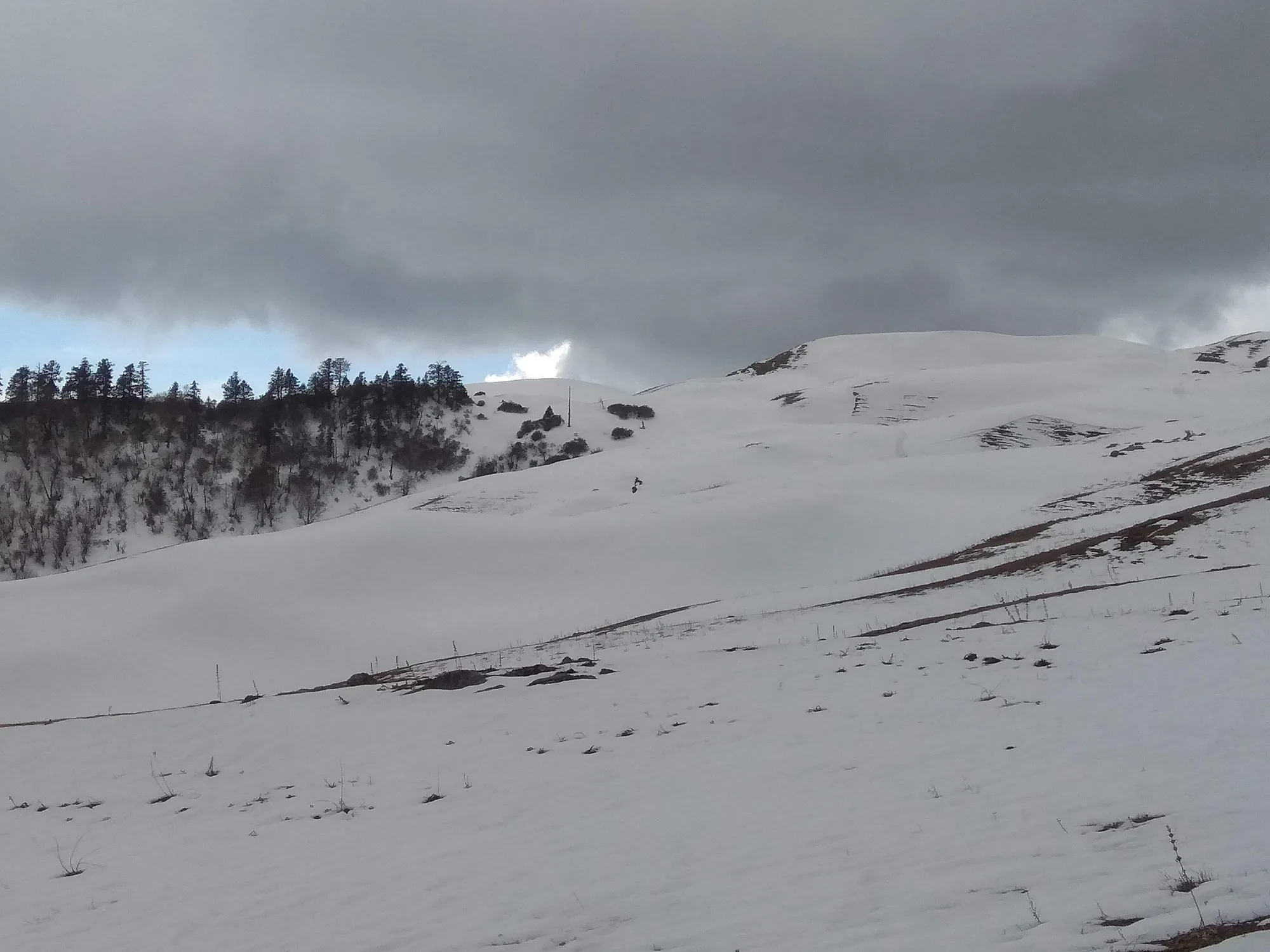
Lamkhaga Pass is one of the high-altitude mountain passes connecting Himachal Pradesh and Uttarakhand. Located at around 5,280 metres (17,320 feet), it lies near the Kinnaur–Garhwal Himalayan region and historically served as a route between the Kinnaur region of Himachal Pradesh and Harsil in Uttarakhand. The pass is surrounded by rugged peaks, glaciers, snowfields and remote high-altitude valleys.
15. Jalori Pass | 3,135 m
At approximately 3,135 metres, Jalori Pass is considerably lower than the high passes of Kinnaur and Spiti. It lies in Kullu and connects the Inner and Outer Seraj regions.
The surrounding landscape is greener than the high-altitude areas of Lahaul-Spiti, with forests, villages and mountain ridges.
Jalori is a good example of how varied the passes of Himachal Pradesh can be in terms of altitude and landscape.
16. Chanderkhani Pass | 3,660 m
Chanderkhani Pass is a beautiful mountain pass in the Kullu Valley of Himachal Pradesh, situated at around 3,660 metres (12,000 feet). The pass lies between the villages of Naggar and Malana and offers wide views of several Himalayan peaks, including the Pir Panjal, Parvati and Deo Tibba ranges. Unlike the stark high-altitude landscapes of Spiti, Chanderkhani is surrounded by alpine meadows, forests and green mountain slopes. It is also an important traditional crossing in the Kullu Himalayas and adds another fascinating route to the wider network of mountain passes in Himachal Pradesh.
17. Sar Pass | 4,220 m
Sar Pass is located in the Parvati Valley of Himachal Pradesh, at an elevation of approximately 4,220 metres (13,850 feet). The pass lies in the high mountains above the Kasol and Tosh region and is surrounded by forests, alpine meadows and snow-covered landscapes. The name is associated with a small frozen lake or sar found along the route. Sar Pass is one of the well-known high-altitude crossings of the Parvati Valley and offers a contrasting experience of the greener Kullu Himalayas compared with the barren landscapes further towards Lahaul and Spiti.
18. Kalihani Pass | 4,800 m
Kalihani Pass is a high-altitude mountain crossing in the Pir Panjal range of Himachal Pradesh, connecting the Kullu region with the remote Bara Banghal area of Kangra. Located at around 4,800 metres (15,750 feet), the pass is surrounded by glaciers, snowfields, rocky ridges and dramatic Himalayan peaks. Its remote location and rugged terrain make Kalihani one of the lesser-known high passes of Himachal Pradesh. The crossing also highlights the traditional network of routes linking the isolated valleys of Kullu and Kangra.
19. Minkiani Pass | 4,250 m
Minkiani Pass is a high mountain pass in the Dhauladhar range of Himachal Pradesh, connecting the Kangra Valley with the Chamba region. It stands at approximately 4,250 metres (13,940 feet) and is surrounded by rugged ridges, alpine landscapes and high-altitude valleys. The pass is part of the extensive network of traditional crossings through the Dhauladhar and is one of the important mountain passes around the Kangra-Chamba region. Its location offers a fascinating view of the dramatic transition between the lower Himalayan valleys and the high mountains of Himachal Pradesh.
20. Shipki La | 3,930 m
Shipki La is an important high-altitude pass in Kinnaur near the India-Tibet border.
The pass has historical significance as an old route between Kinnaur and Tibet. It represents the eastern Himalayan frontier of Himachal Pradesh and forms part of the high mountain landscape of the Kinnaur region.