1. Are toilet facilities available on Himalayan treks?
Yes, organized Himalayan treks generally provide designated toilet facilities at campsites. Depending on the trek and campsite, these may include toilet tents, pit toilets, or portable toilet systems.
2. What is a toilet tent on a Himalayan trek?
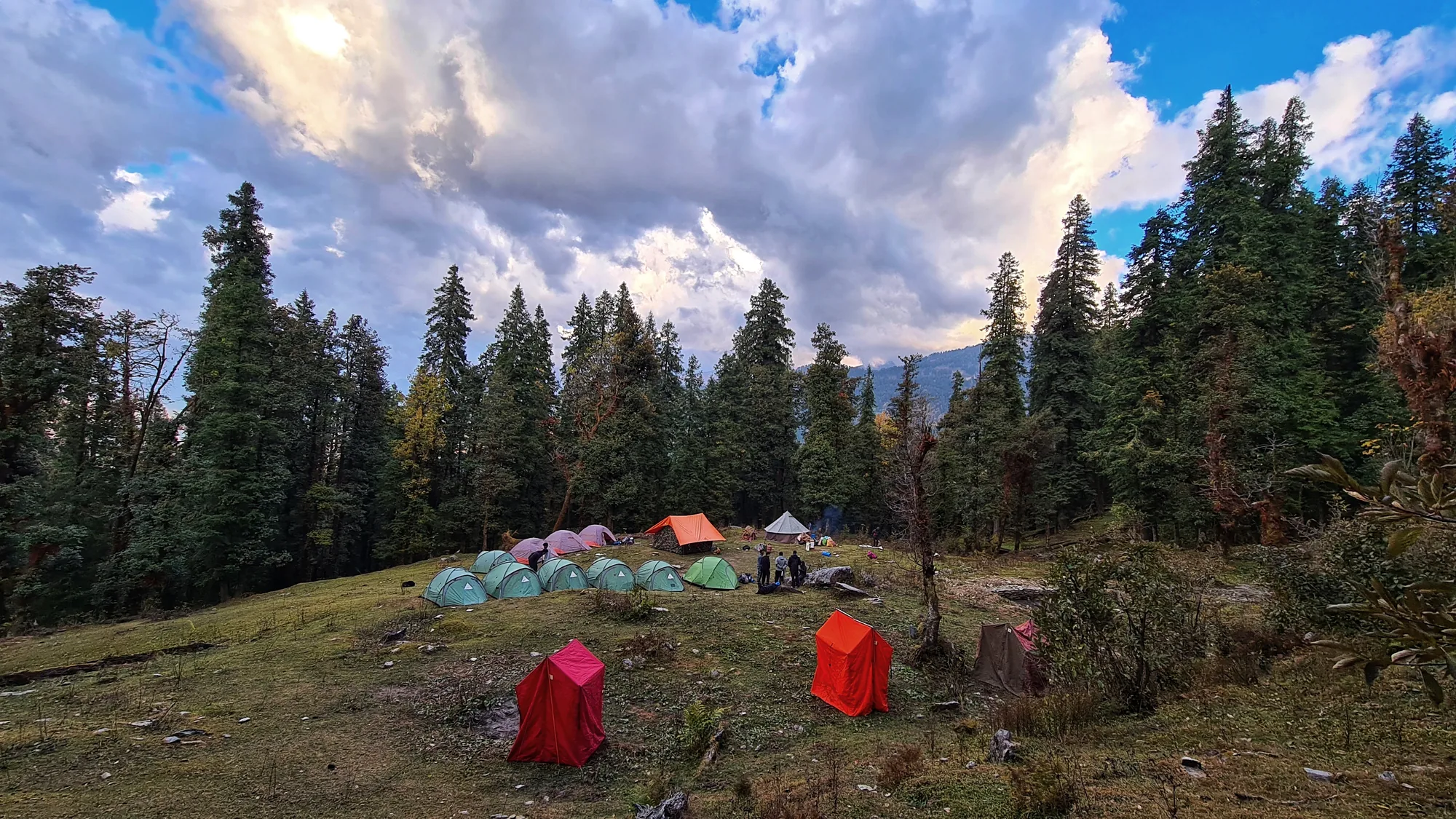
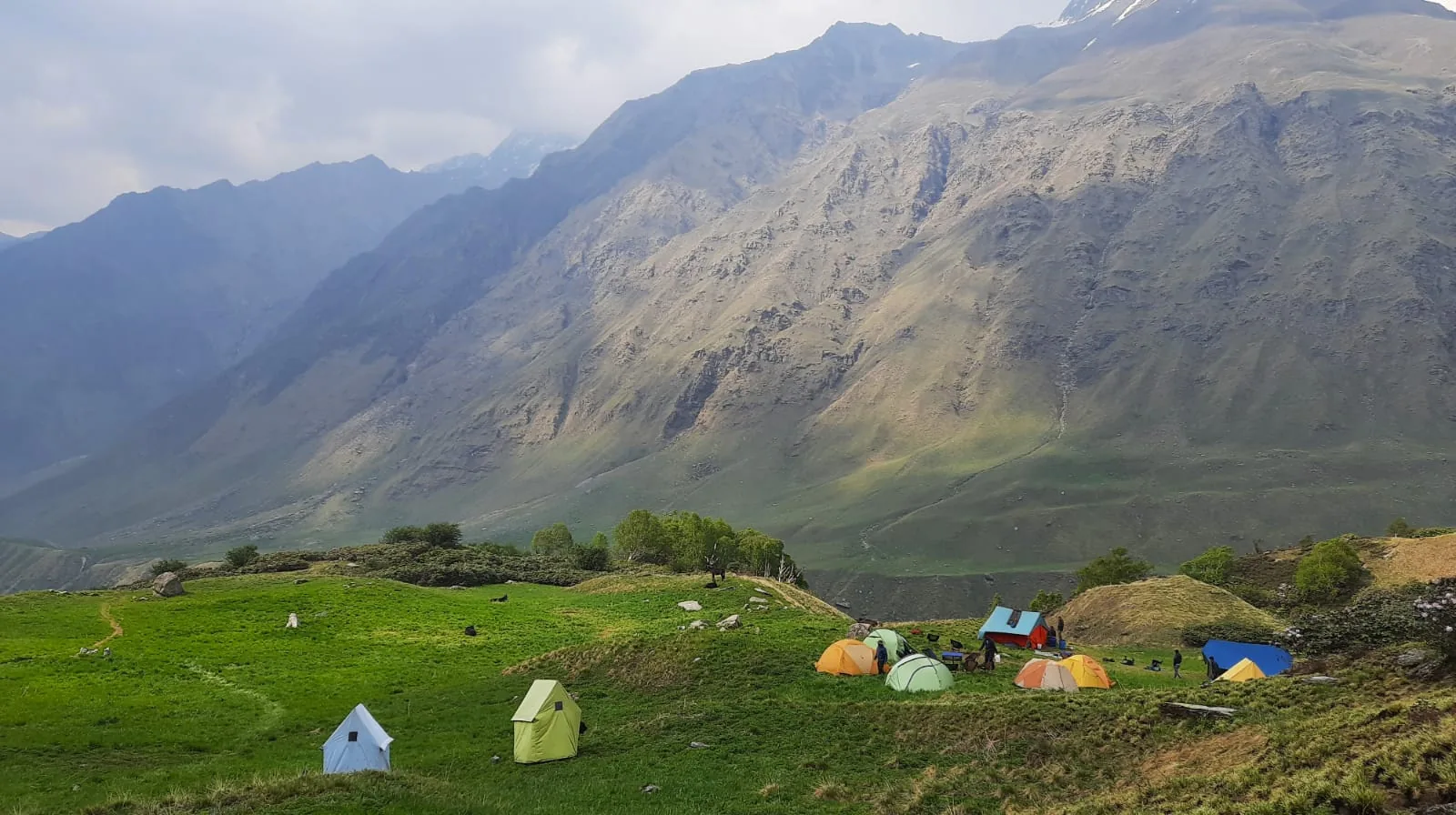
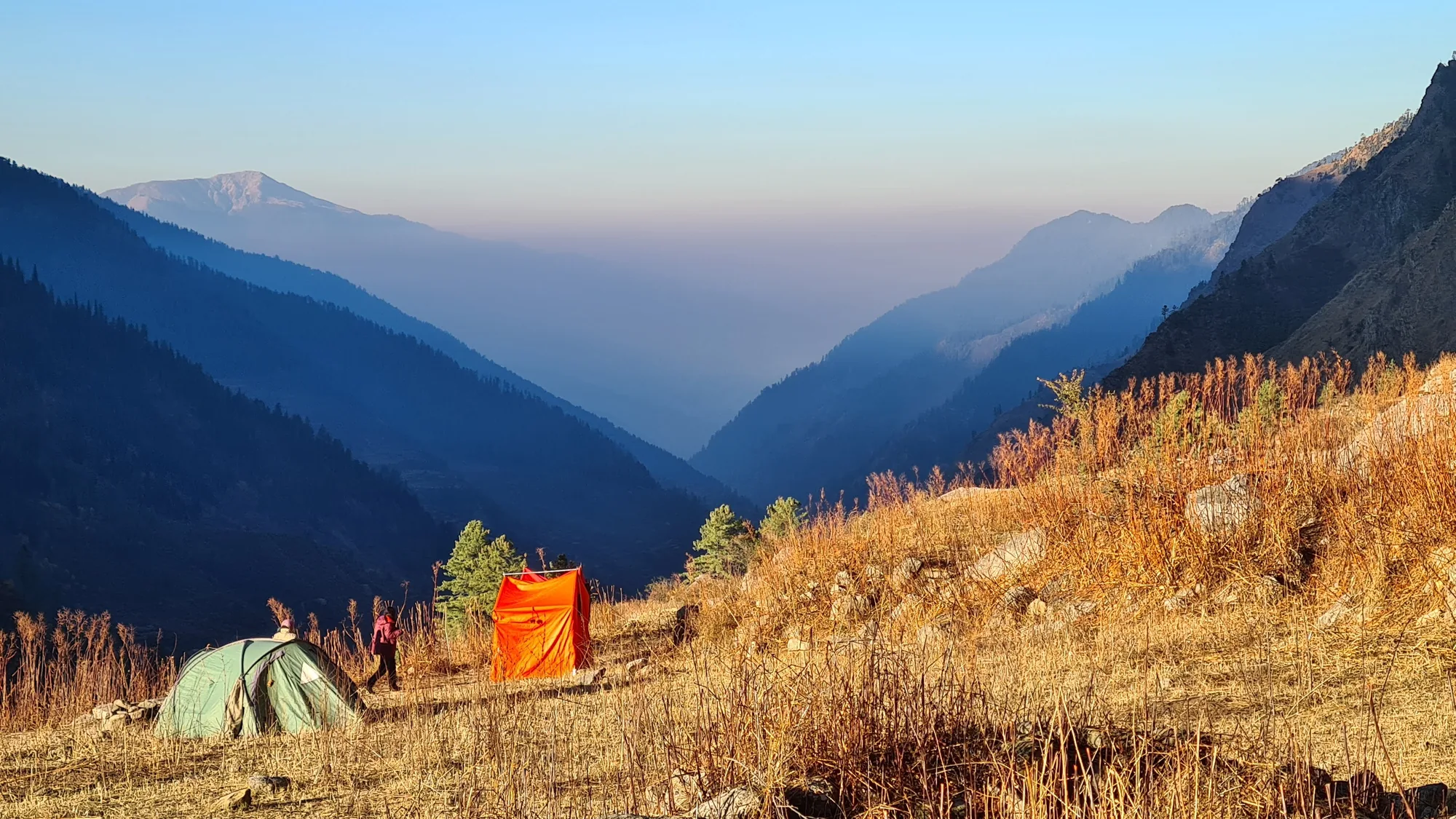
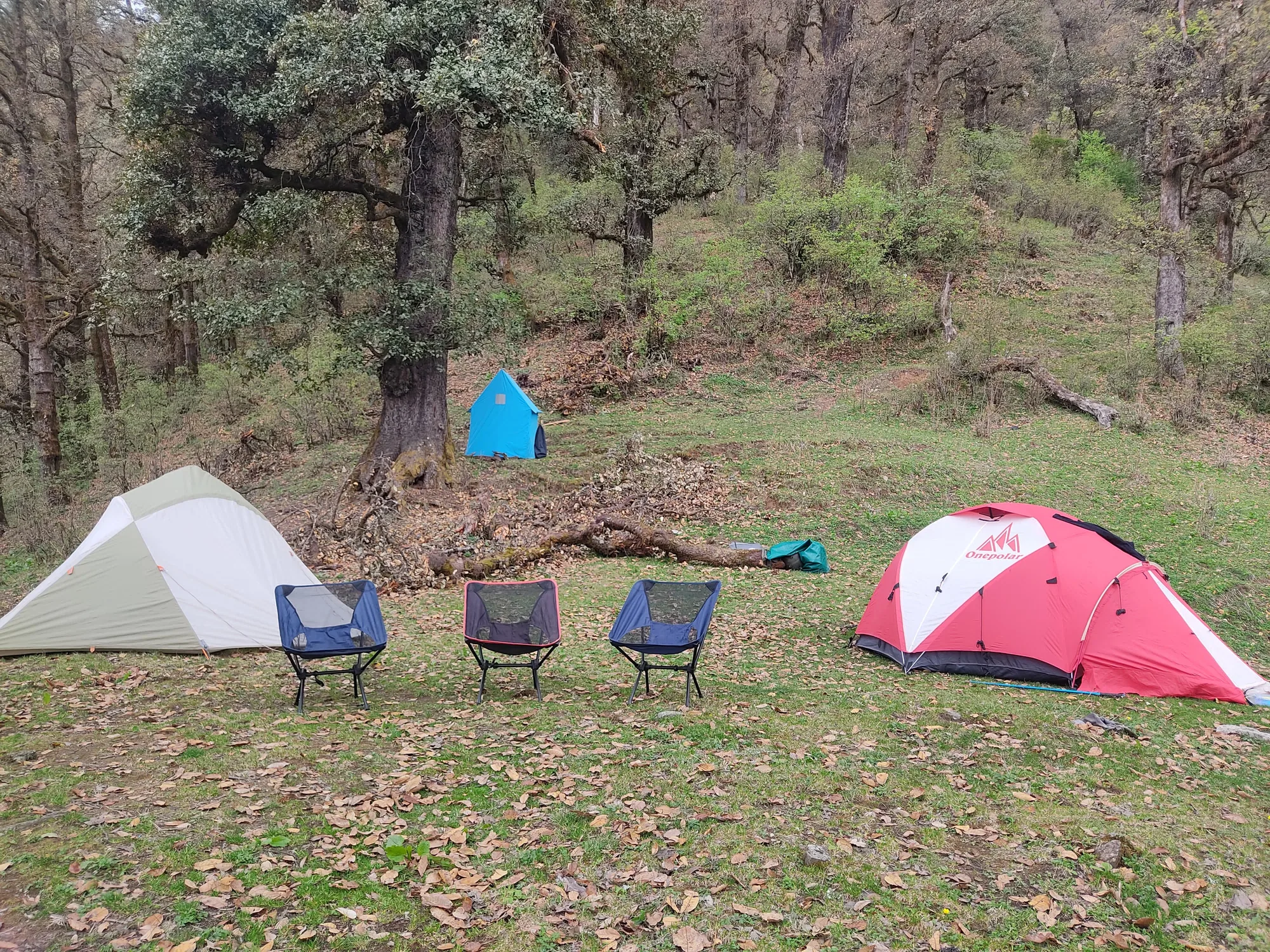
A toilet tent is a temporary, enclosed toilet facility set up at a campsite. It provides trekkers with privacy and helps prevent open defecation and waste contamination around the trekking trail.
3. How does a toilet tent work?
A toilet tent usually has an enclosed structure with a toilet seat or designated waste-management system underneath. The exact setup depends on the trek, campsite, terrain, and waste-management practices followed by the trekking operator.
4. Where are toilet tents set up at a campsite?
Toilet tents are generally placed away from sleeping and dining areas and at a safe distance from water sources. The location also depends on terrain, wind direction, campsite conditions, and local environmental guidelines.
5. What should I carry for toilet hygiene during a trek?
Carry toilet paper, hand sanitizer, a small personal hygiene kit, and a zip-lock or waste bag. Women should also carry their preferred menstrual hygiene products and appropriate disposal bags.
6. Can I throw toilet paper and wet wipes inside a toilet tent?
Follow the instructions provided by your trek leader or operator. Wet wipes and sanitary products should never be left on the trail or thrown into a toilet system unless specifically permitted, as many products do not break down easily.
7. How can I maintain hygiene while using a toilet tent?
Use the designated toilet, keep the area clean, follow the waste-disposal instructions, and sanitize or wash your hands afterward. Avoid touching unnecessary surfaces and leave the toilet ready for the next trekker.
8. Are toilet tents difficult to use for first-time trekkers?
They may feel unfamiliar during the first few uses, especially for beginners. However, most trekkers quickly get comfortable once they understand how the toilet system works and follow the instructions provided by the trekking team.
9. Is it safe to use a toilet tent at night?
Yes, but extra care is needed in dark, snowy, or rainy conditions. Carry a headlamp or flashlight, wear proper footwear, and inform a trek team member if you need assistance.
10. Why are toilet tents important for Himalayan trekking?
Toilet tents provide privacy while helping trekking teams manage human waste responsibly. Using designated toilet facilities also reduces open defecation, protects water sources, and helps keep fragile Himalayan landscapes cleaner.