1. Which are the best autumn treks in India?
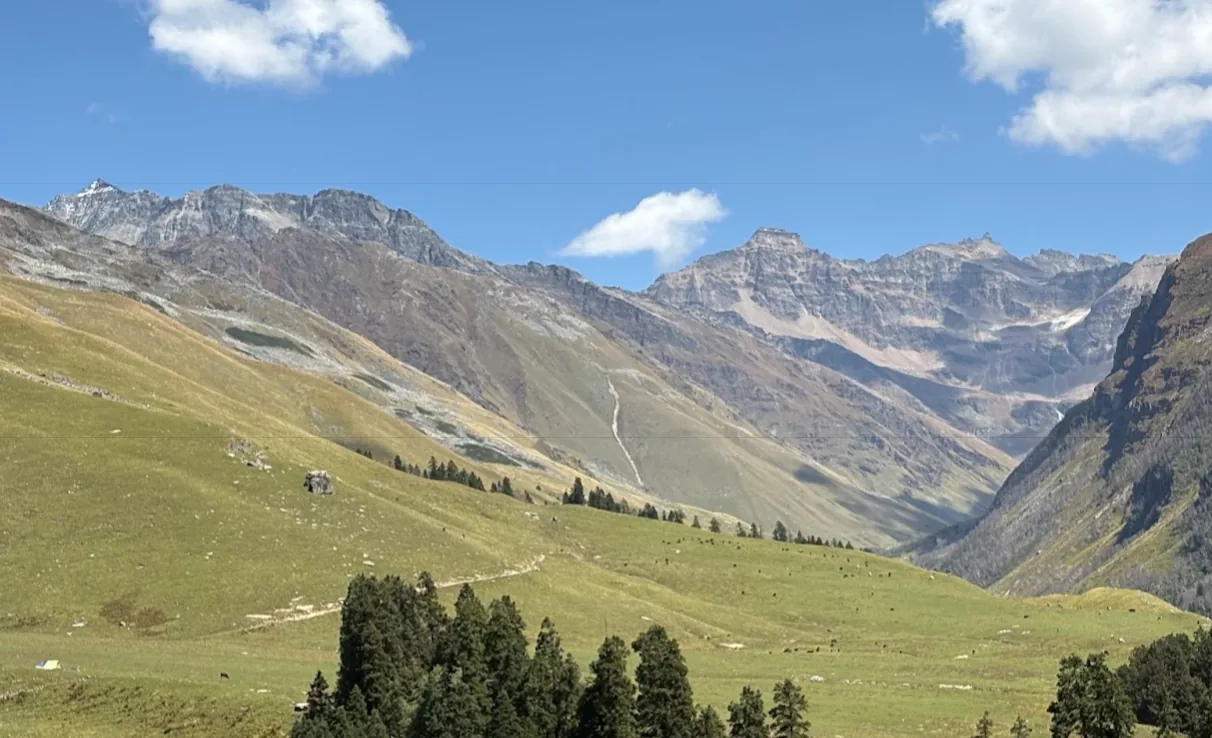
Some of the best autumn treks in India include Har Ki Dun, Bali Pass, Gaumukh Tapovan, Buran Ghati, Phulara Ridge, Rupin Pass, Chopta–Chandrashila–Tungnath, Aancha Top, Brahmatal and Kedarkantha. Each trek offers a different experience, from peaceful valleys and forests to high-altitude passes and panoramic Himalayan views.
2. What is the best time for autumn trekking in India?
The best time for autumn trekking in India is generally from September to November. September offers lush post-monsoon landscapes, October brings clearer skies and excellent mountain views, while November starts to feel more like winter, especially at higher elevations.
3. Is autumn a good season for Himalayan trekking?
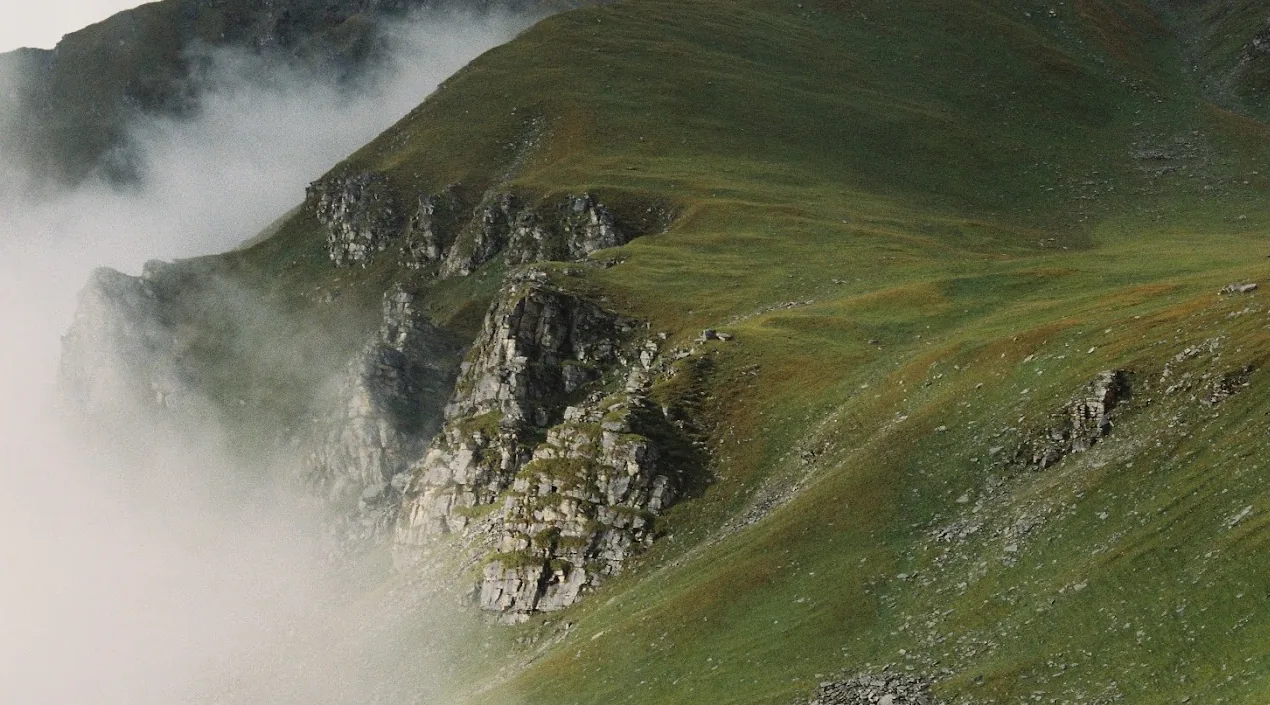
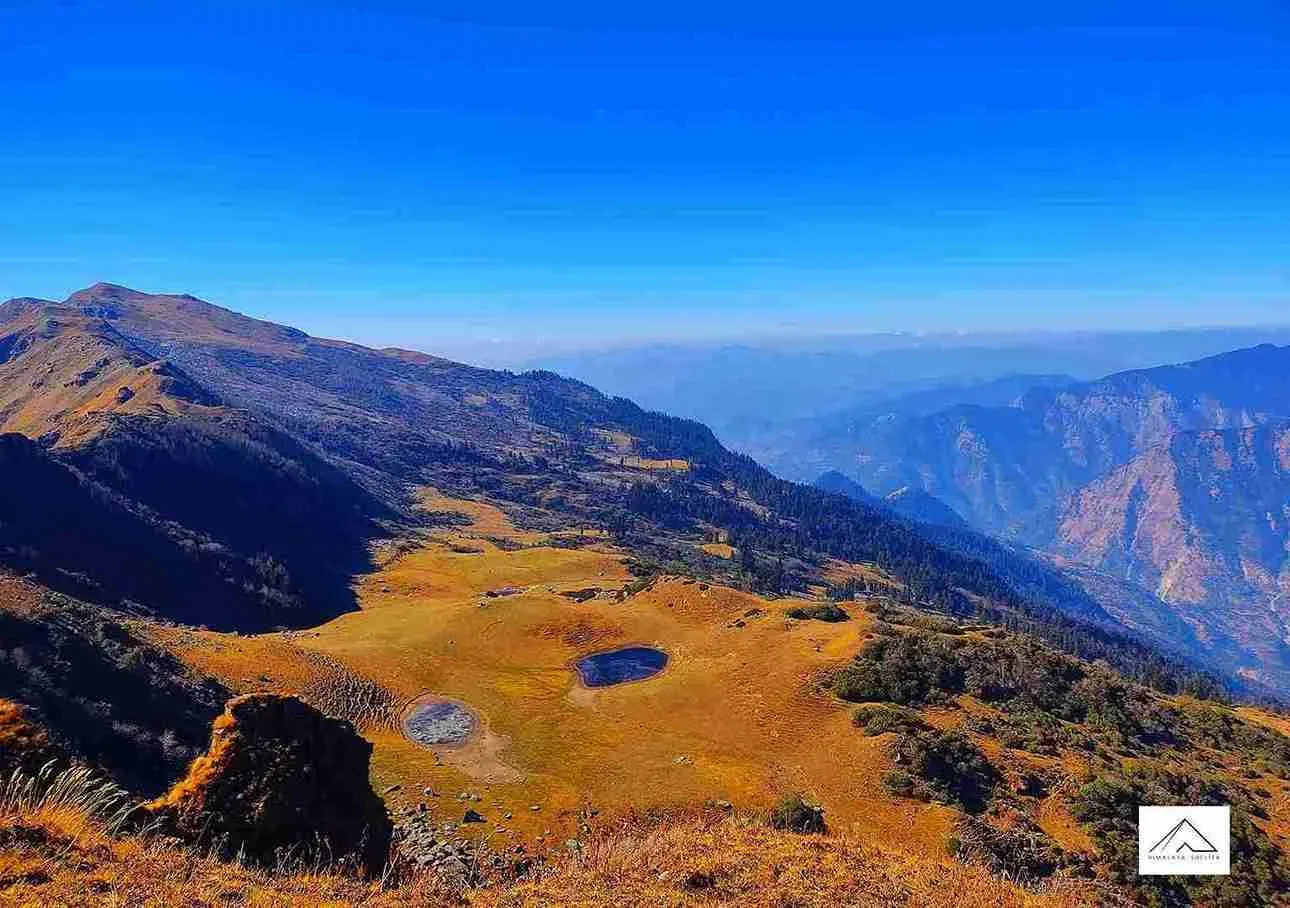
Yes, autumn is one of the best seasons for Himalayan trekking. After the monsoon, the weather generally becomes more stable, the skies are clearer and mountain visibility improves. The trails also offer beautiful green, golden and early-winter landscapes depending on the altitude.
4. Which autumn trek is best for beginners?
Chopta–Chandrashila–Tungnath and Kedarkantha are good choices for beginners with basic fitness. Har Ki Dun can also be considered by beginners who are comfortable with longer trekking days and have prepared properly for the altitude.
5. Which is the most challenging trek among these autumn treks?
Bali Pass and Rupin Pass are among the more challenging treks on this list. Buran Ghati and Gaumukh Tapovan also require good fitness and preparation. These treks involve higher altitudes, longer trekking days and more demanding terrain, so previous trekking experience is recommended.
6. Which autumn trek offers the best Himalayan mountain views?
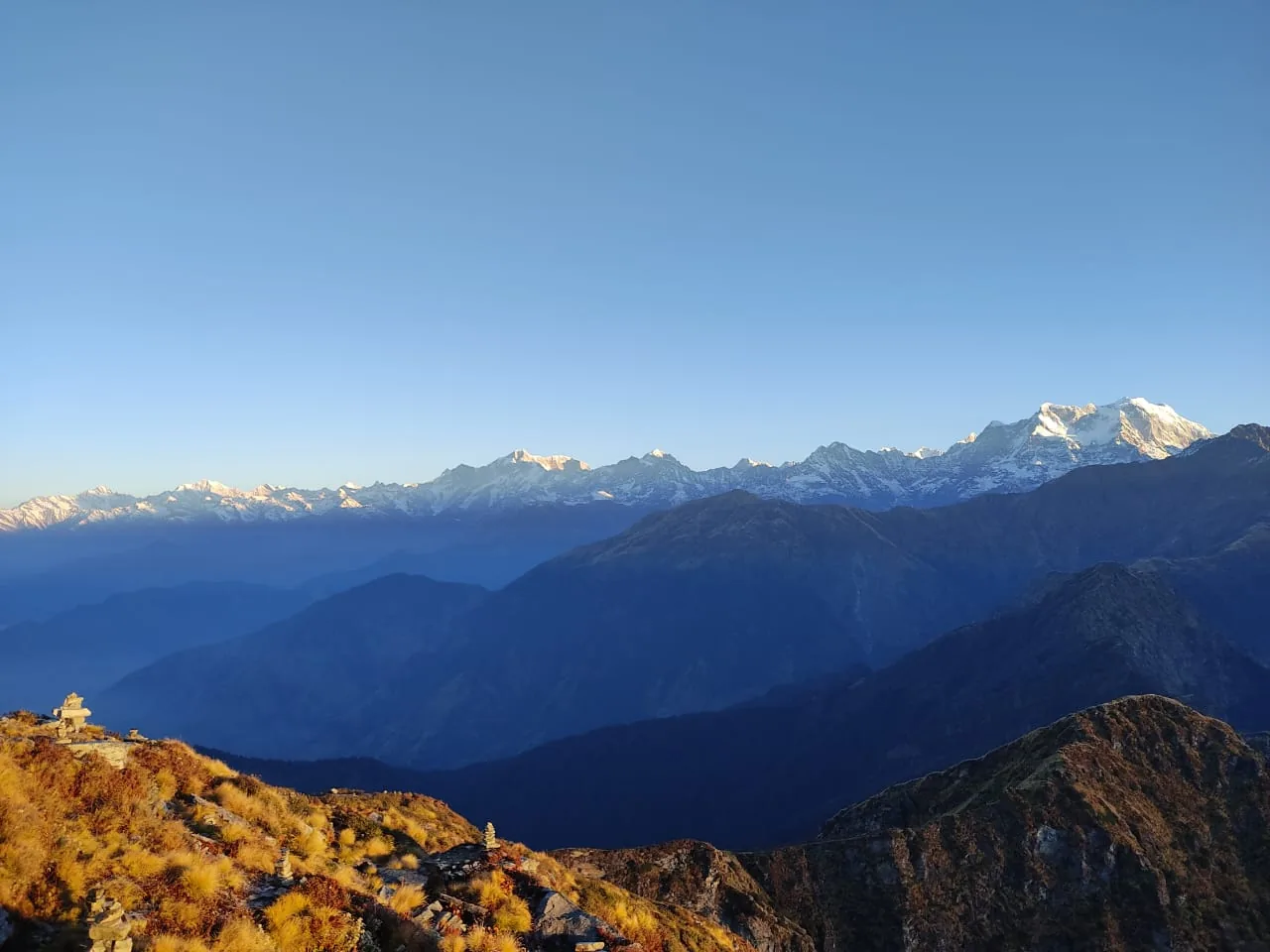
Several autumn treks offer spectacular mountain views. Gaumukh Tapovan is known for dramatic views of Shivling and the Bhagirathi peaks, while Chandrashila offers a wide Himalayan panorama. Bali Pass, Phulara Ridge and Brahmatal are also excellent choices for panoramic mountain scenery.
7. Can I see snow on autumn treks in India?
Snow depends on the trek, altitude and weather conditions. Higher-altitude treks such as Bali Pass, Rupin Pass and Gaumukh Tapovan may have snow or snow patches in some sections. By November, treks such as Brahmatal and Kedarkantha can also begin to experience winter conditions.
8. What should I pack for an autumn trek in the Himalayas?
For an autumn trek, carry good trekking shoes, warm layers, a waterproof jacket, thermal wear, gloves, a warm cap, comfortable trekking clothes, a headlamp, water bottles, sunscreen, sunglasses, personal medicines and basic first-aid supplies. For higher-altitude treks, additional cold-weather gear may be required.
9. Are autumn treks in India safe?
Autumn is generally considered a favourable season for Himalayan trekking, but safety depends on the route, weather, altitude and preparation. Trekkers should follow local guidelines, monitor weather conditions, stay properly hydrated, acclimatise gradually and trek with experienced guides or a reliable trekking organisation on challenging routes.
10. How do I choose the right autumn trek in India?
Choose your trek based on your fitness level, trekking experience, available time and preferred landscape. Beginners can start with Chopta–Chandrashila–Tungnath or Kedarkantha, while experienced trekkers can consider Bali Pass, Rupin Pass or Buran Ghati. If you prefer forests, villages and peaceful valleys, Har Ki Dun and Phulara Ridge are excellent options.