Top Tea House Treks in India: Best Himalayan Treks for Village Stays
Trek Diaries

Top Tea House Treks in India: Best Himalayan Treks for Village Stays

The Himalayas are often associated with tents, sleeping bags and remote mountain camps. But not every Himalayan adventure has to involve camping every night. Across India, several trekking routes allow travellers to stay in tea houses, homestays, lodges and village guesthouses, making the journey more comfortable while offering a deeper connection with local mountain life.

These tea house treks in India are perfect for travellers who want more than just beautiful landscapes. Staying in villages, eating freshly prepared local food and meeting Himalayan communities can make the trekking experience much more personal.

From the Buddhist villages of Ladakh and Spiti to the forests and meadows of Uttarakhand and the mountain trails of West Bengal, there are several routes where accommodation becomes part of the adventure.

Here are some of the best tea house and homestay-style treks in India to add to your Himalayan bucket list.
1. Markha Valley Trek, Ladakh

tea house trekking in India

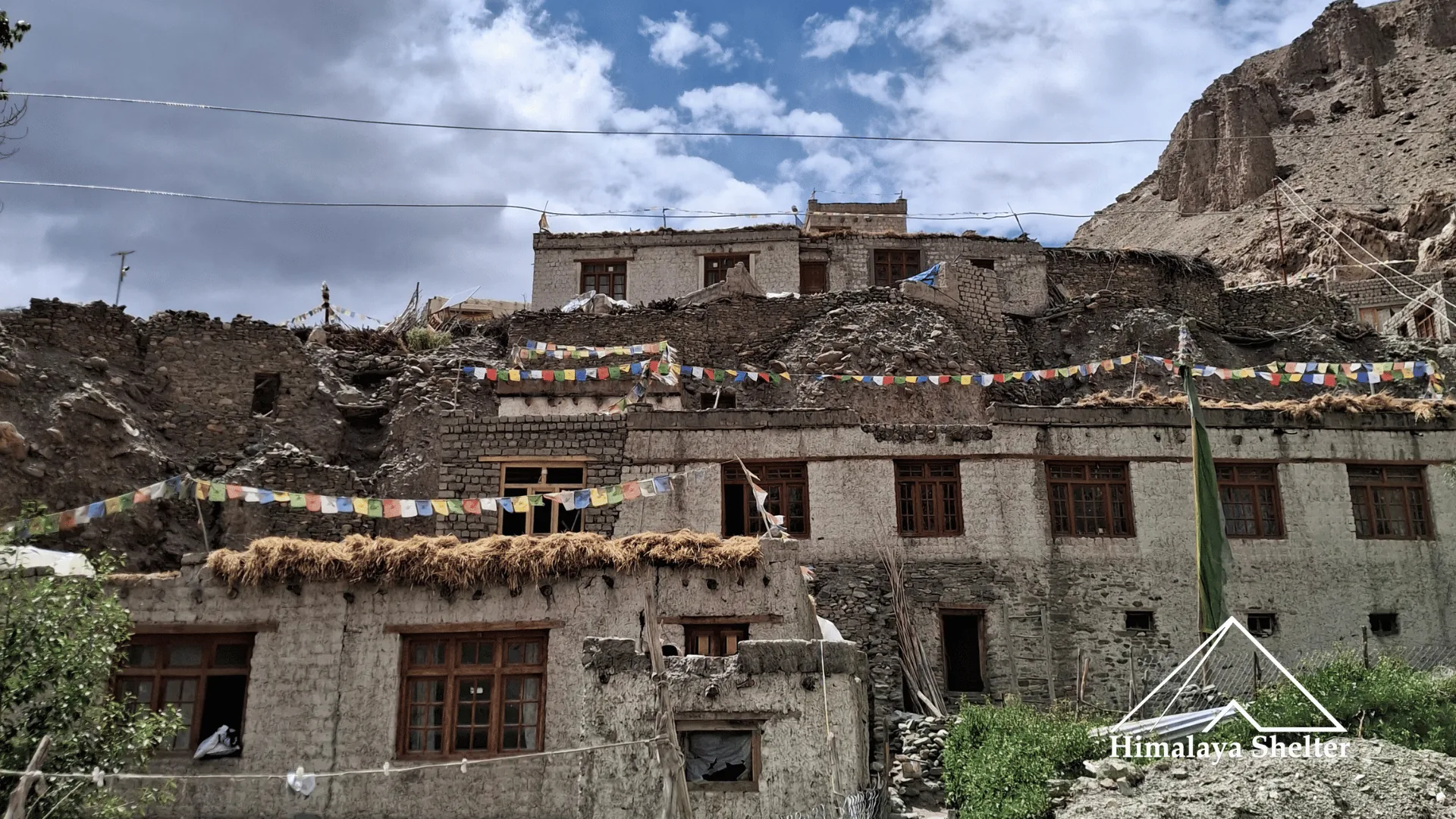
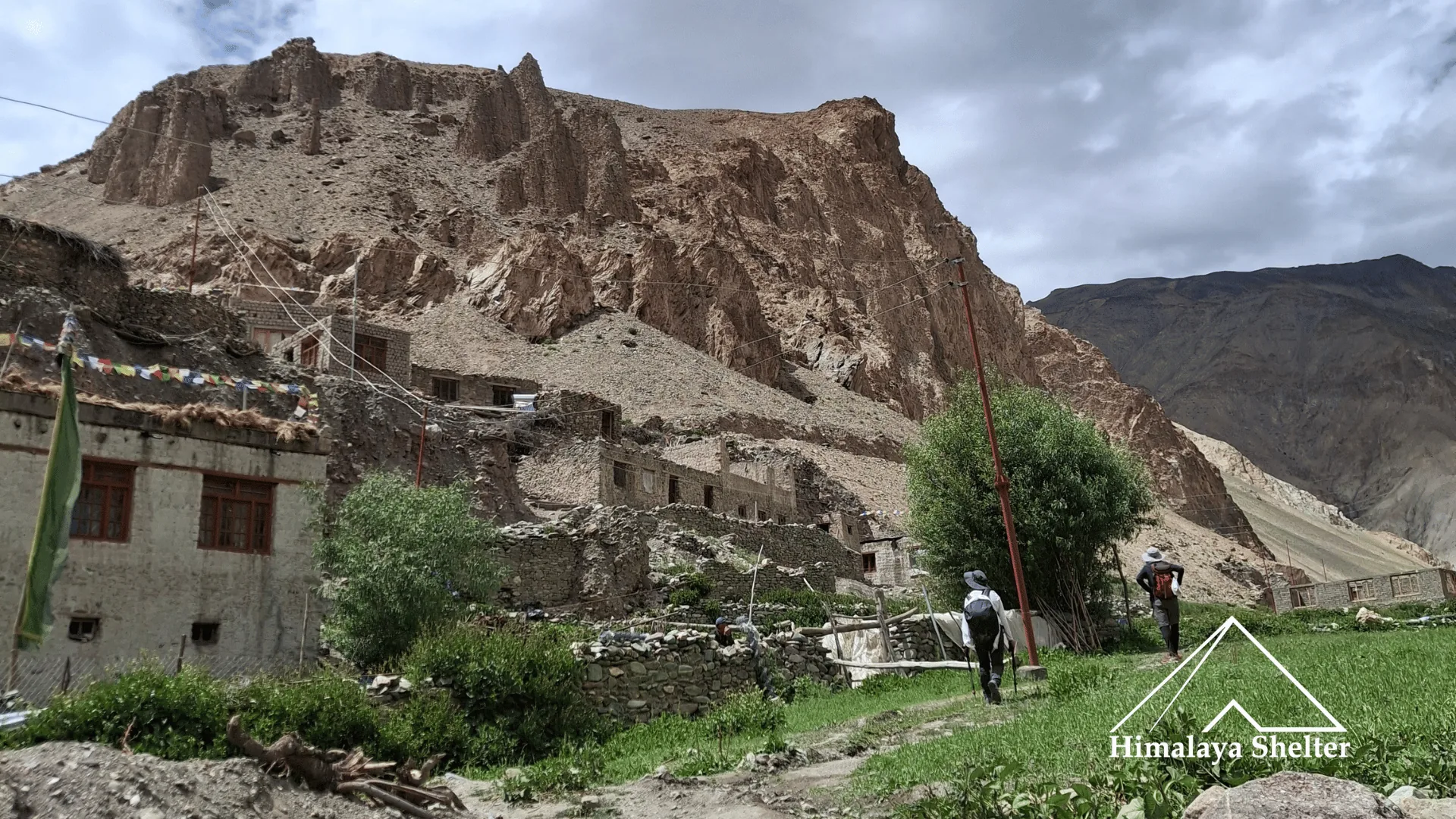
The Markha Valley Trek is one of the most popular Himalayan treks for travellers looking for a combination of adventure, culture and village stays. Located in Ladakh, the trail passes through traditional villages, high mountain passes, green valleys and dramatic barren landscapes.

One of the biggest attractions of Markha Valley is the opportunity to stay in traditional village homestays. Villages such as Skiu, Markha and Hankar offer simple accommodation where trekkers can experience Ladakhi hospitality and enjoy home-cooked meals.

The scenery changes throughout the trek. Green agricultural fields appear unexpectedly between the barren mountains, while Buddhist monasteries, mani walls, prayer flags and traditional houses add a strong cultural character to the route.

The trek also offers impressive views of peaks such as Kang Yatse, making it an excellent choice for travellers who want a combination of Himalayan scenery and cultural immersion.

Best time: June to September
Difficulty: Moderate to Difficult
Highlight: Ladakhi homestays, Buddhist culture, mountain passes and spectacular valleys

2. Sham Valley Trek, Ladakh

For travellers who want a relatively comfortable introduction to trekking in Ladakh, the Sham Valley Trek is an excellent choice. Often called the “Baby Trek of Ladakh,” this route is shorter and more approachable than many of the region's high-altitude treks.

The trail passes through beautiful villages such as Likir, Yangthang, Hemis Shukpachan and Temisgam. Village homestays are an important part of the experience, allowing trekkers to spend the night with local families rather than camping throughout the journey.

The landscape combines barren mountains with surprisingly green villages, fields, willow trees and apricot orchards. The route also provides opportunities to visit monasteries and experience the Buddhist culture that defines much of Ladakh.

Sham Valley is particularly suitable for beginners and travellers who want to explore the cultural side of Ladakh without undertaking an extremely demanding trek.

Best time: June to September
Difficulty: Easy to moderate
Highlight: Village homestays, monasteries, apricot orchards and traditional Ladakhi villages

3. Sandakphu Phalut Trek, West Bengal

The Sandakphu Trek takes you along the famous Singalila Ridge near the India-Nepal border. It is known for its spectacular Himalayan panoramas and charming mountain settlements along the trail.

Unlike a completely remote camping trek, Sandakphu has several small lodges, homestays and guesthouses where trekkers can spend the night. After a long day of walking, enjoying a warm meal and a cup of tea inside a mountain lodge is part of the charm of the journey.

The biggest attraction is the panoramic view of some of the world's highest mountains. On clear days, trekkers can see Everest, Kanchenjunga, Lhotse and Makalu.

The trail is also famous for its rhododendron forests. During spring, the landscape becomes particularly colourful, while autumn generally offers clearer mountain views.

Best time: March to May and October to December
Difficulty: Moderate
Highlight: Himalayan panoramas, mountain lodges, rhododendron forests and village life

4. Valley of Flowers Trek, Uttarakhand

The Valley of Flowers Trek is one of India's most famous monsoon treks. Located in Uttarakhand, the trail leads into a high-altitude valley that comes alive with colourful alpine flowers during the summer monsoon.

Ghangaria is the main accommodation base for trekkers visiting the Valley of Flowers. The village has hotels, luxury camps and guesthouses, allowing visitors to enjoy a more comfortable stay before and after exploring the valley.

The trek can also be combined with a visit to Hemkund Sahib, a high-altitude pilgrimage site surrounded by impressive Himalayan landscapes.

The experience is less about conquering a difficult summit and more about enjoying nature. Waterfalls, streams, wildflowers, green slopes and towering mountains make this trek especially rewarding for nature lovers and photographers.

Best time: July to September
Difficulty: Easy to moderate
Highlight: Alpine flowers, waterfalls, Ghangaria stays and Himalayan scenery

5. Chopta–Chandrashila Trek, Uttarakhand

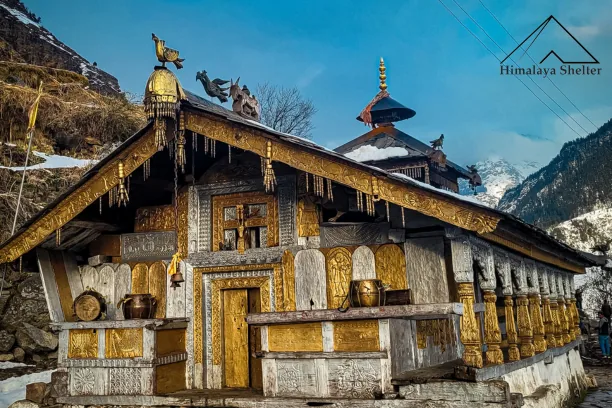
The Chopta Chandrashila Trek is one of the most accessible Himalayan trekking experiences in India. It combines beautiful forests, mountain meadows, the ancient Tungnath Temple and the summit of Chandrashila.

Chopta has several guesthouses, lodges and camps, making it possible to enjoy the mountains without committing to a long expedition-style camping experience.

The route becomes particularly beautiful during spring when rhododendrons bloom across the forests. Winter brings an entirely different landscape, with snow covering Chopta and the trail towards Tungnath.

At Chandrashila Summit, trekkers can enjoy panoramic views of several Himalayan peaks, including Chaukhamba, Trishul and Nanda Devi.

The spiritual atmosphere around Tungnath makes this trek even more special, while the sunrise from Chandrashila is one of its biggest highlights.

Best time: March to June and September to December
Difficulty: Easy to Moderate
Highlight: Tungnath Temple, Chandrashila Summit, sunrise and Himalayan views

6. Nag Tibba Trek, Uttarakhand

If you are searching for a short and beginner-friendly Himalayan trek, the Nag Tibba Trek is an excellent option. Located relatively close to Dehradun and Mussoorie, it is particularly popular among first-time trekkers and weekend travellers.

The trail passes through forests and small mountain settlements before reaching Nag Tibba Summit. From the top, trekkers can enjoy wide views of the surrounding Himalayan ranges.

Nag Tibba is not a traditional tea-house trek in the same sense as Markha Valley or Sham Valley. However, local accommodation, homestays and guesthouses around the villages and base areas make it possible to experience the region without a completely remote trekking setup.

Its short duration and accessible trail make Nag Tibba a great choice for people who want to experience Himalayan trekking without taking a long break from their regular routine.

Best time: Round-the-year
Difficulty: Easy
Highlight: Forest trails, mountain sunrise, village atmosphere and beginner-friendly trekking

7. Spiti Monastery Trek, Himachal Pradesh

The Spiti Monastery Trek offers a very different Himalayan experience. Instead of focusing only on high passes and mountain summits, the journey combines trekking with ancient monasteries, remote villages and the distinctive culture of the Spiti Valley.

Spiti is famous for its high-altitude desert landscapes, traditional Buddhist monasteries and isolated settlements. Village homestays are an important part of travelling through the valley and provide an opportunity to experience local hospitality and traditional food.

Walking through villages and visiting monasteries such as Key and other historic Buddhist centres gives the journey a strong cultural character.

The landscape is equally fascinating. Bare mountain slopes, deep valleys, turquoise rivers and whitewashed villages create a dramatic contrast that makes Spiti completely different from the greener Himalayan regions.

For travellers interested in culture, history and slow mountain travel, a Spiti monastery and village trek is an excellent choice.

Best time: May to October
Difficulty: Easy to moderate, depending on the itinerary
Highlight: Buddhist monasteries, village homestays, local culture and cold-desert landscapes

8. Har Ki Dun Trek, Uttarakhand

Osla in Har Ki Dun Trek

The Har Ki Dun Trek is one of the most beautiful valley treks in Uttarakhand and is particularly rewarding for travellers interested in Himalayan villages and traditional mountain life.

The trail passes through forests, rivers, meadows and remote settlements before reaching the beautiful Har Ki Dun Valley. Traditional wooden houses, terraced fields and village paths provide glimpses into the lifestyle of communities that have lived in these valleys for generations.

Depending on the trekking itinerary, accommodation can include village stays, guesthouses and camps. This combination gives trekkers an opportunity to experience both the natural and cultural sides of the region.

The peaceful surroundings and relatively gradual trail make Har Ki Dun a favourite among trekkers who enjoy scenic journeys rather than simply chasing a summit.

Best time: March to June and September to November
Difficulty: Easy to moderate
Highlight: Himalayan villages, forests, meadows, traditional houses and valley views

Why Choose a Tea House Trek in India?

Tea house and homestay-style trekking offers a different way to explore the Himalayas. Instead of spending every night in a tent, trekkers can experience local accommodation and get closer to the communities living along the trail.

Some of the biggest advantages include:

  • More comfortable nights: Lodges and homestays provide a break from sleeping in tents.

  • Local food: Many village stays offer freshly prepared regional meals.

  • Cultural experiences: Staying in villages gives you a closer look at Himalayan traditions.

  • Less camping gear: On suitable routes, trekkers may not need to carry extensive camping equipment.

  • Local hospitality: Meeting mountain families can become one of the most memorable parts of the journey.

  • A slower travel experience: Tea-house trekking allows you to enjoy the journey instead of focusing only on reaching the destination.

Best Tea House Treks in India for Different Travellers

Not every trek offers the same type of accommodation, so choosing the right route depends on what you are looking for.

For a cultural experience: Choose Markha Valley or Sham Valley.

For spectacular Himalayan views: Sandakphu is an excellent choice.

For beginners: Nag Tibba and Chopta–Chandrashila are great options.

For flowers and monsoon landscapes: Choose the Valley of Flowers.

For Buddhist culture and remote villages: Explore Spiti or Sikkim.

For traditional Himalayan villages: Har Ki Dun offers a beautiful combination of nature and culture.

Final Thoughts

The best thing about tea house treks in India is that the adventure does not end when the day's walking is over. A simple mountain home, a warm meal, a conversation with a local family and a steaming cup of tea can become as memorable as the trail itself.

Whether you choose the high-altitude villages of Ladakh, the flower-filled valleys of Uttarakhand, the panoramic ridges of West Bengal or the monasteries of Spiti, these treks offer a more immersive way to experience the Indian Himalayas.

For travellers who want to combine trekking, local culture, mountain landscapes and comfortable village stays, tea-house and homestay-style treks are an excellent way to explore the mountains at a more personal pace.

FAQs About Tea House Treks in India

1. What are tea house treks in India?

Tea house treks are trekking routes where accommodation is available in local lodges, guesthouses, tea houses or homestays along or near the trail. They allow trekkers to experience the mountains without camping every night.

2. Which is the best tea house trek in India for beginners?

Nag Tibba, Chopta–Chandrashila and Sham Valley are good options for beginners, although the right choice depends on fitness, altitude experience and the specific itinerary.

3. Is Markha Valley a tea house trek?

Markha Valley is best known for its village homestay experience. Trekkers can stay in traditional homes along parts of the route, making it one of India's best homestay-style Himalayan treks.

4. Can I do a tea house trek without camping equipment?

On routes with reliable lodges and homestays, much of the camping equipment may not be necessary. However, accommodation varies by route and season, so it is important to check the current trekking arrangement before departure.

5. Which tea house trek is best for experiencing Himalayan culture?

Markha Valley and Sham Valley in Ladakh, Har Ki Dun in Uttarakhand, along with Spiti's village and monastery routes, are excellent choices for travellers interested in Himalayan culture, traditions and local village life.