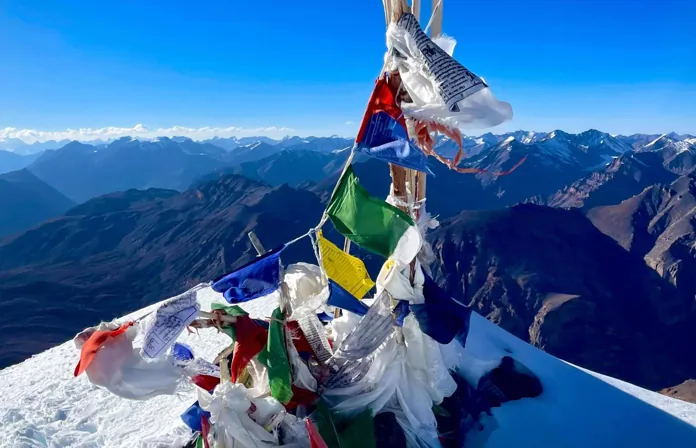
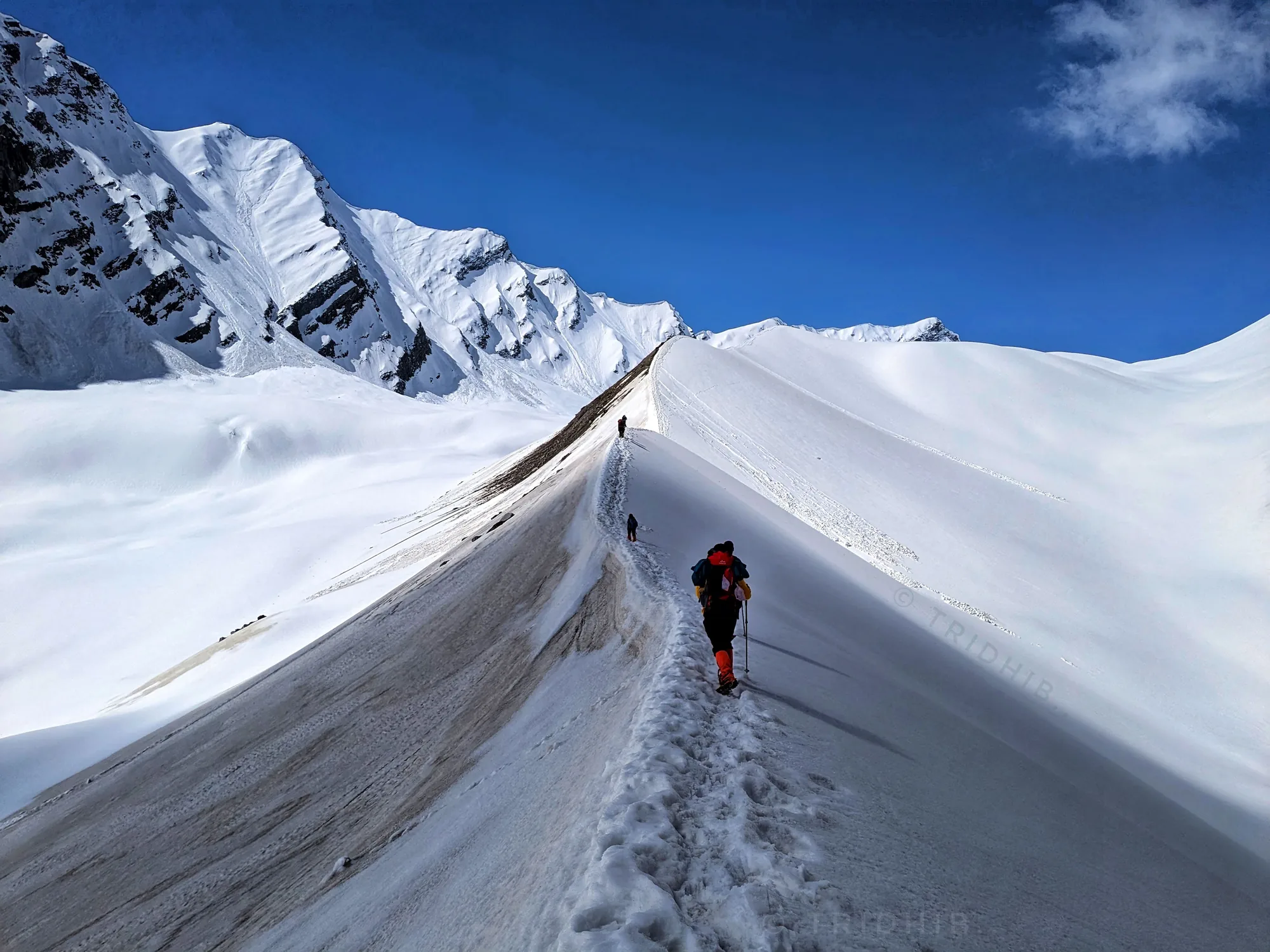
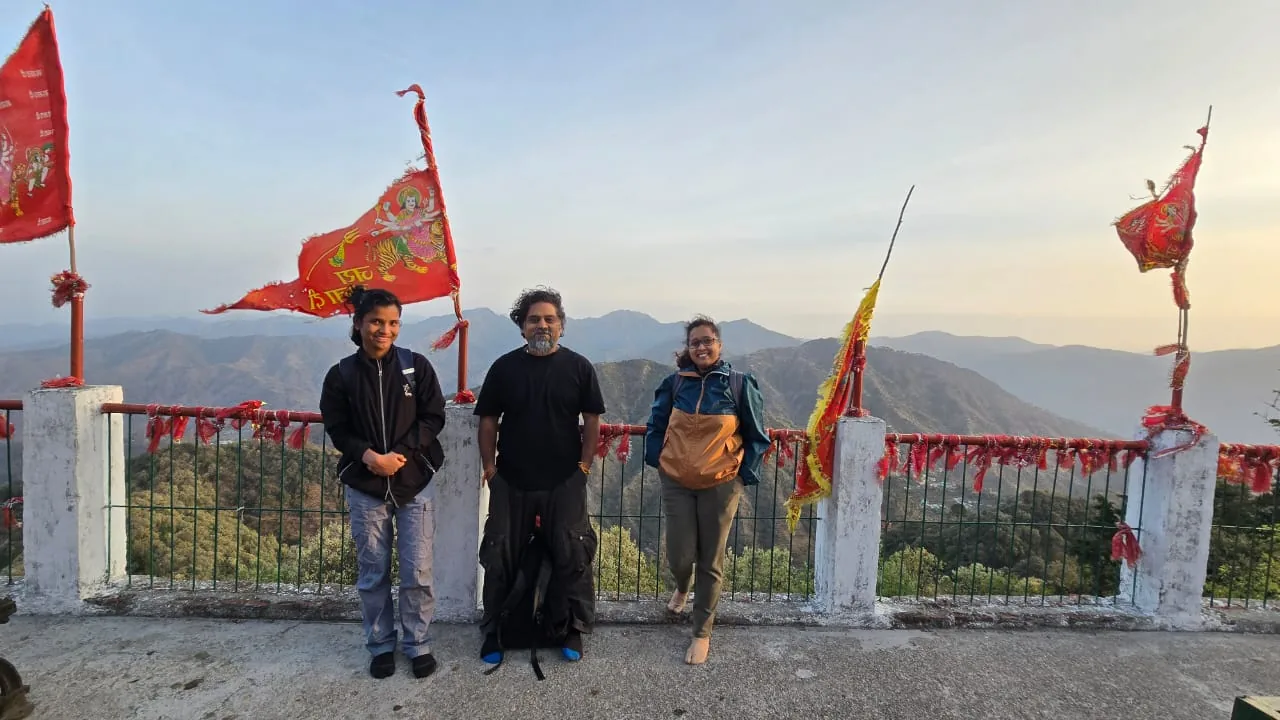
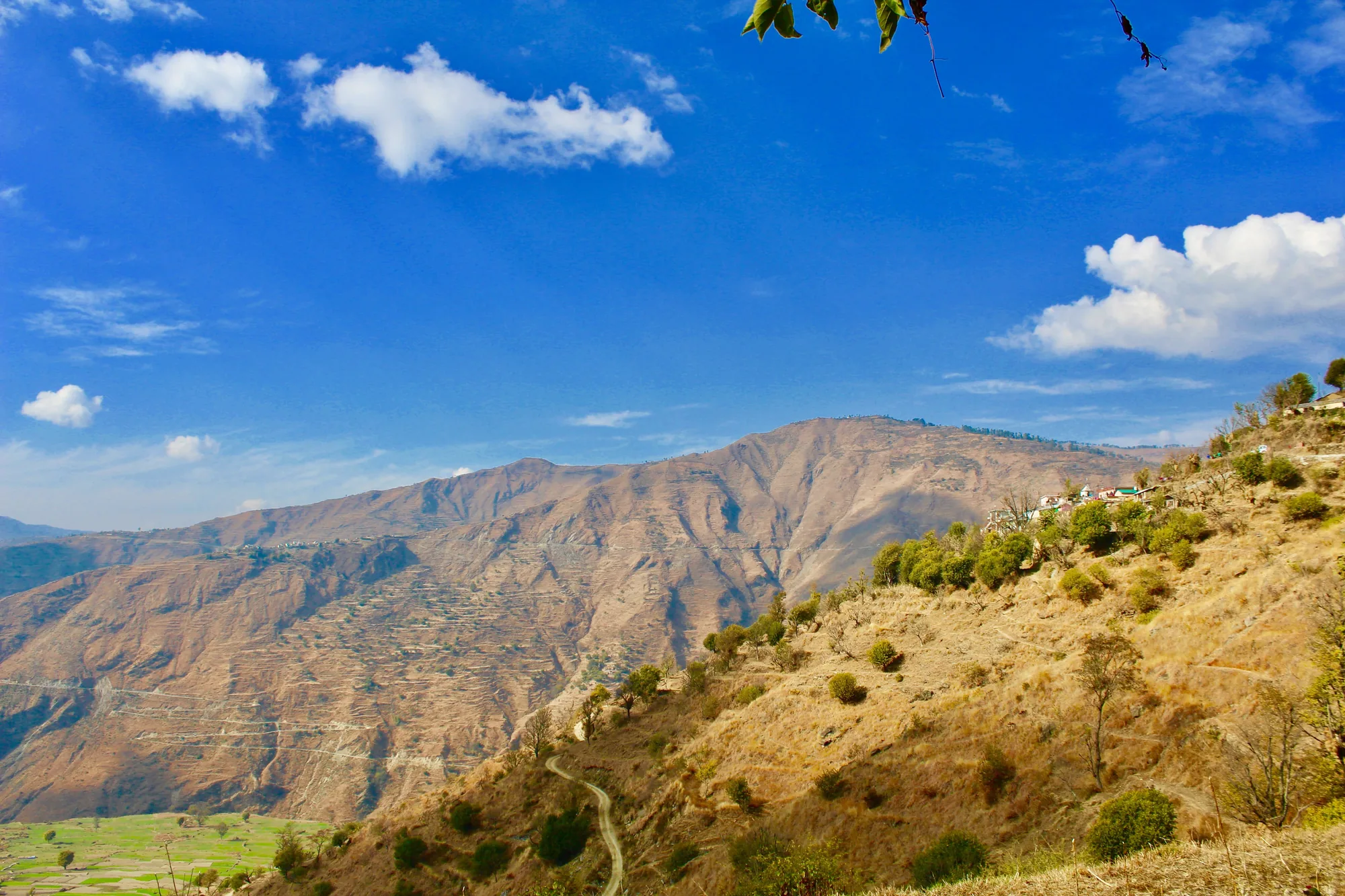
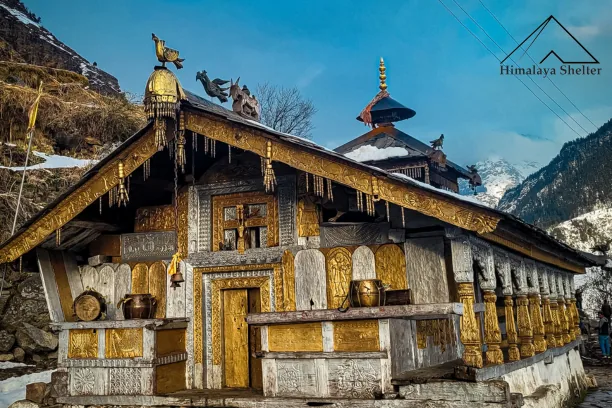
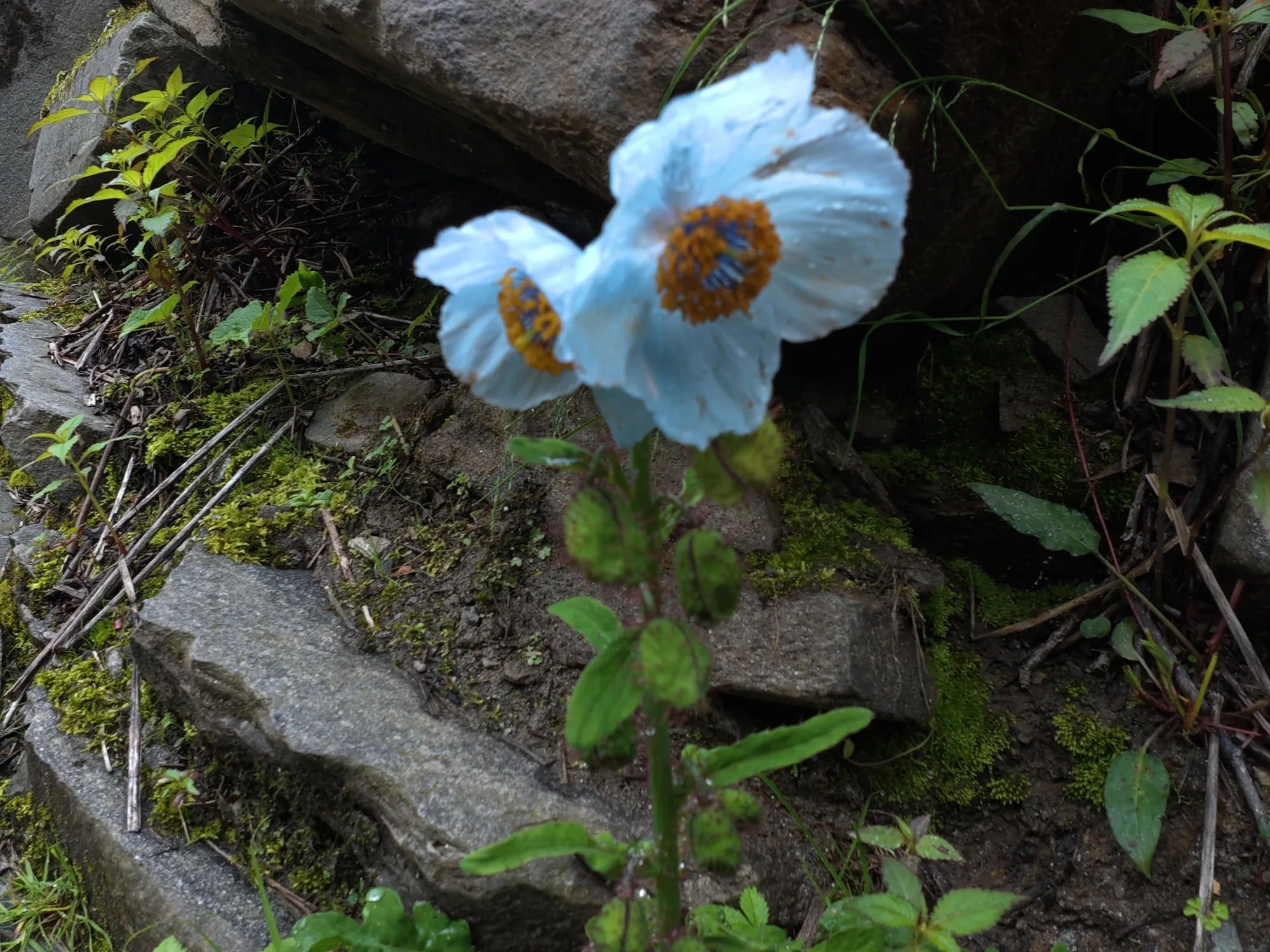
Types of Treks: A Complete Guide to Different Types of Trekking
Trek Diaries

Types of Treks: A Complete Guide to Different Types of Trekking

Trekking is one of the best ways to experience the mountains up close. But not every trek is the same. Some routes take you from one valley to another, while others bring you back to where you started. Some treks offer comfortable stays in mountain lodges, while others involve camping in remote wilderness. There are also high-altitude treks, alpine routes, summit treks, cultural trails, and challenging mountain pass crossings.

Understanding the different types of treks can help you choose a trail that matches your fitness level, experience, available time, and preferred style of adventure.

In this guide, we explore the major types of trekking, from point-to-point and circular treks to tea house, camping, alpine, high-altitude, and long-distance treks, with examples from the Himalayas.

Types of Treks Based on Trail Route

One of the simplest ways to classify a trek is by looking at the route. The starting point, ending point, and direction of the trail can make a big difference to the overall trekking experience.

1. Point-to-Point Trek
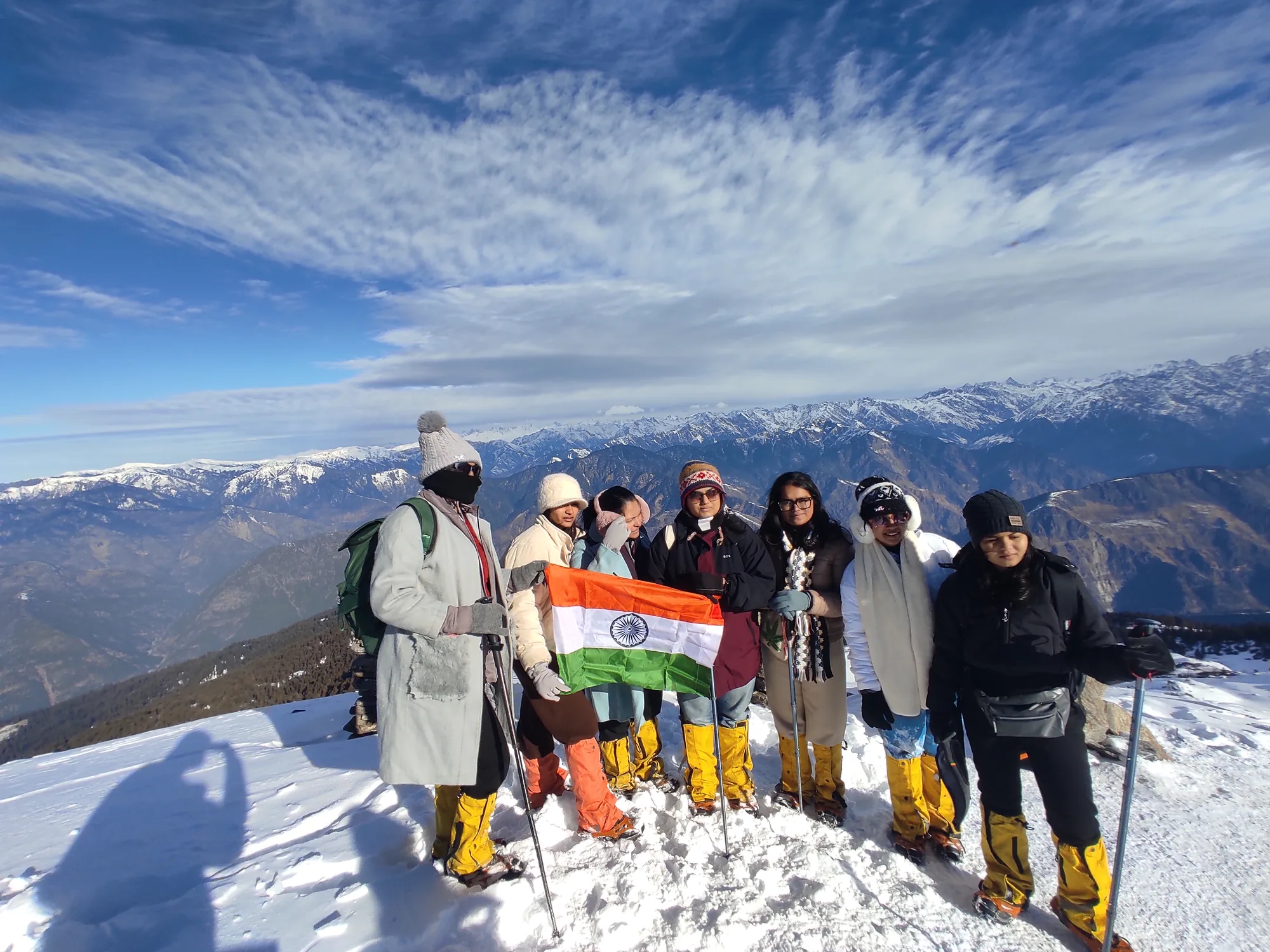
types of treks

A point-to-point trek starts at one location and ends at a different location. Instead of returning to the starting point, trekkers finish at another village, roadhead, valley, or destination.

The biggest advantage of a point-to-point trek is that you can experience new scenery throughout the journey without walking the same trail twice. These treks often pass through different landscapes, villages, forests, valleys, and mountain passes.

Examples: Bali Pass Trek, Pin Parvati Pass Trek, Buran Ghati Trek, and Rupin Pass Trek.

Best for: Trekkers who want to explore changing landscapes and cover a longer route without repeating the trail.

2. Circular or Loop Trek
kuari pass trek

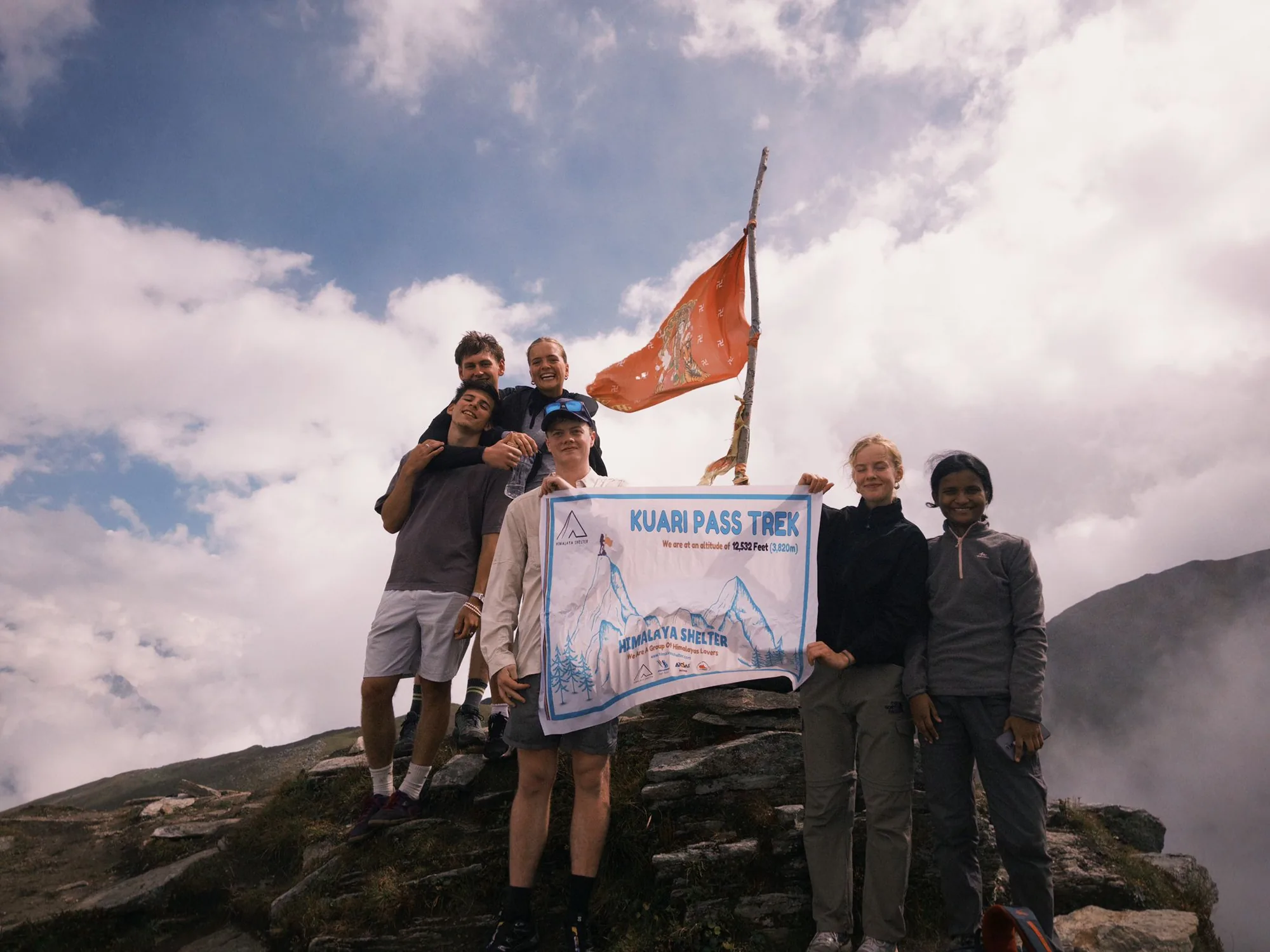
A circular trek starts and finishes at the same general area but follows a different route on the return journey. It creates a loop instead of requiring trekkers to retrace their steps.

Circular treks are popular because they offer a greater variety of landscapes. You may walk through forests on one side of the route and return through alpine meadows, valleys, or mountain passes.

Examples: Ali Bedni Bugyal Trek, Kuari Pass Trek

Best for: Trekkers who want varied scenery and less repetition.

3. One-Way Trek
types of trek

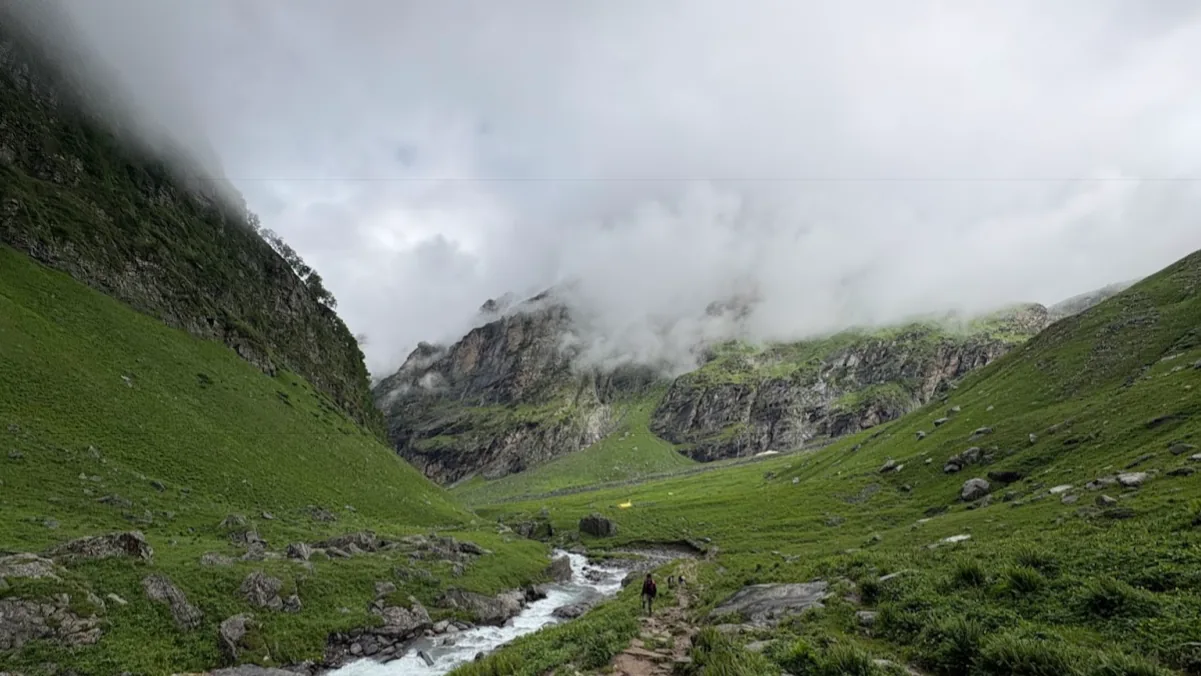
A one-way trek involves walking from a starting point to a destination without trekking back along the same route. The return journey is generally completed by road or another form of transportation.

This type of trek is useful when you want to cover more ground within a limited number of days. Many Himalayan pass-crossing treks are also designed as one-way journeys.

Examples: Hampta Pass Trek, and Bali Pass Trek.

Best for: Trekkers who want to explore a longer route without spending extra days walking back to the starting point.

4. Out-and-Back Trek
gaumukh tapovan trek

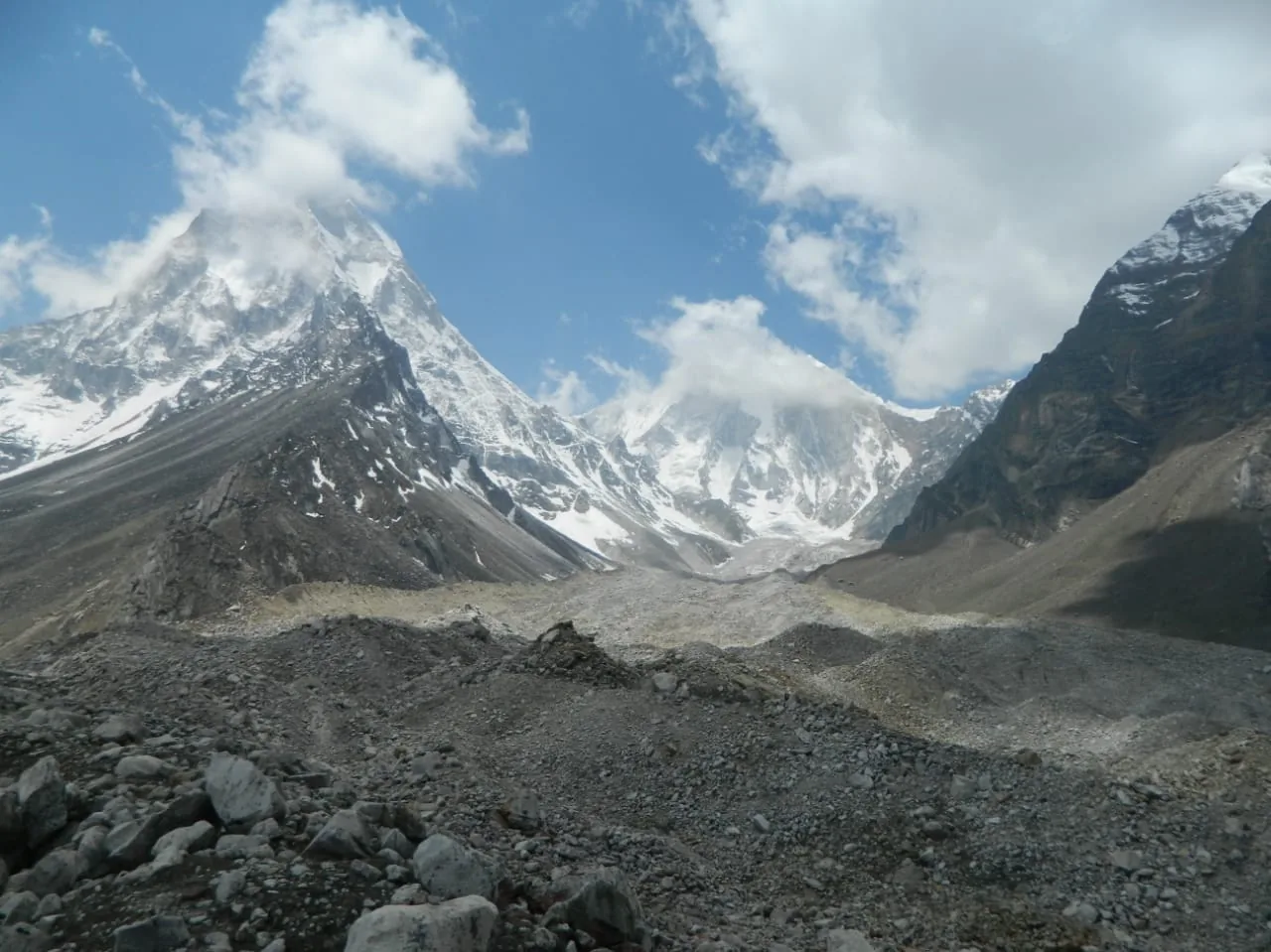
An out-and-back trek starts and finishes at the same location, with trekkers following the same trail in both directions.

Although you walk the same route twice, this format can make logistics simpler. It is particularly common for summit hikes, high-altitude lakes, viewpoints, and destinations that do not have another exit route.

Examples: Kedarkantha Trek, Gaumukh Tapovan Trek, Tungnath–Chandrashila Trek, Kyarkoti Trek and several summit or viewpoint hikes.

Best for: Beginners, short treks, summit hikes, and routes with limited access.
Types of Treks Based on Accommodation

The accommodation available along a trail also determines the type of trekking experience you can expect.

5. Tea House Trek

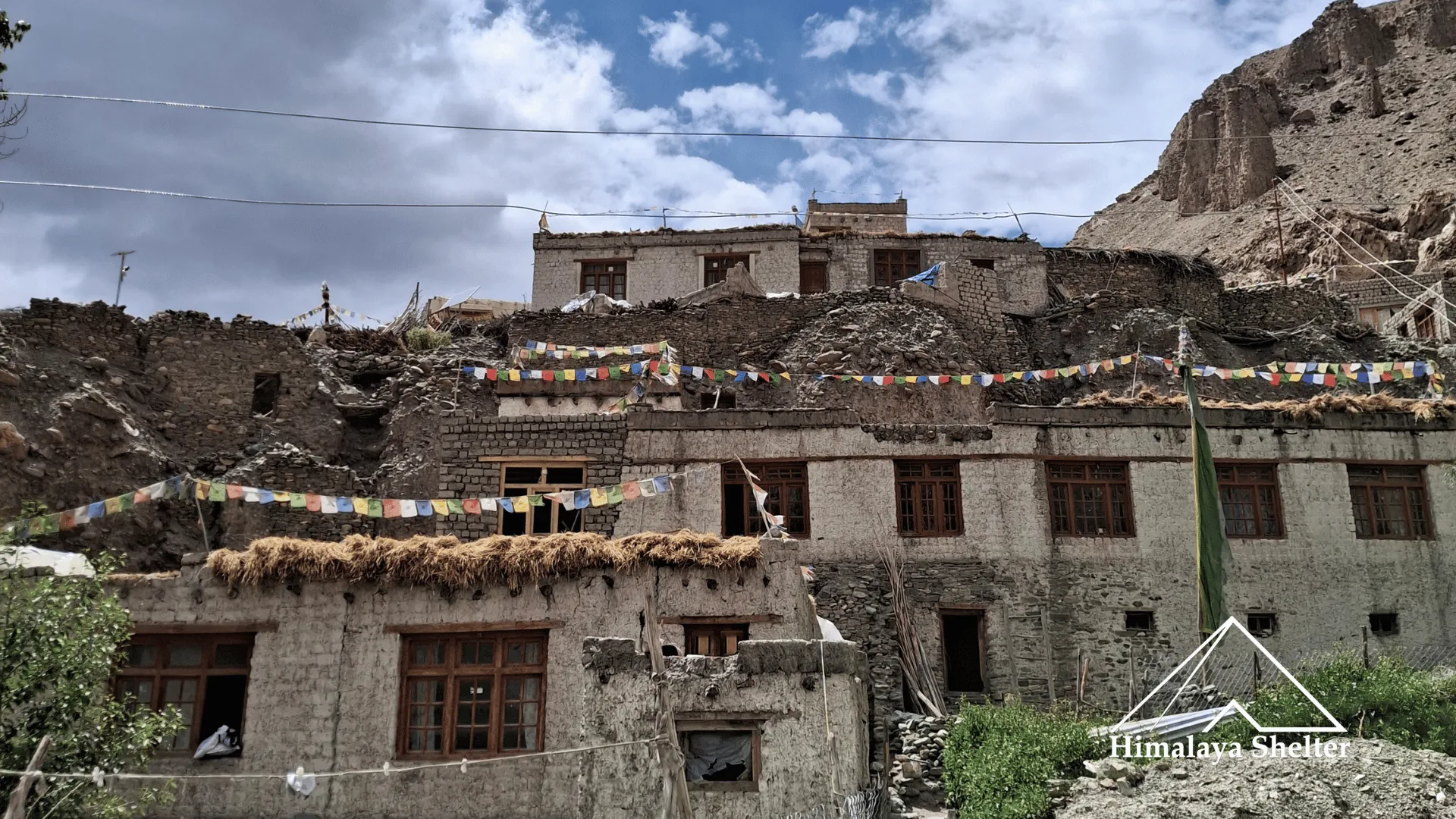
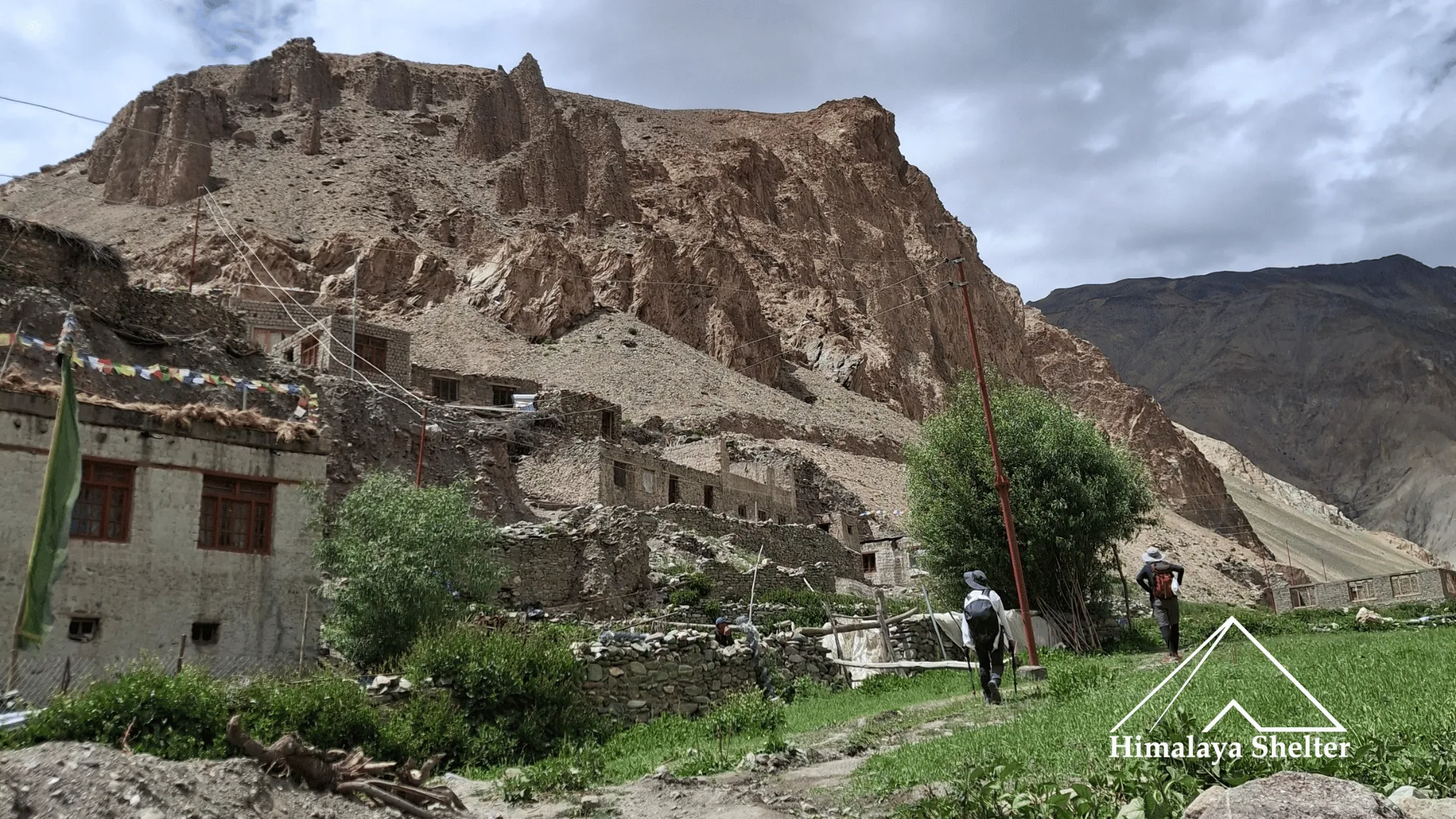
tea house trek in Markha Valley

A tea house trek is a multi-day trek where trekkers stay in local tea houses, guesthouses, lodges, or mountain homestays instead of carrying camping equipment.

Tea house trekking is especially popular in regions with established trekking infrastructure. You can usually find a basic bed and locally prepared meals along the route.

One of the biggest advantages of a tea house trek is that you do not need to carry a tent, mattress, cooking equipment, and several days of camping supplies. It also gives you an opportunity to interact with local communities.

Examples: Markha Valley Trek, Spiti Monastery Trek, Sandakphu Phalut Trek.

Best for: Beginners and trekkers who prefer basic accommodation over camping.

6. Camping Trek

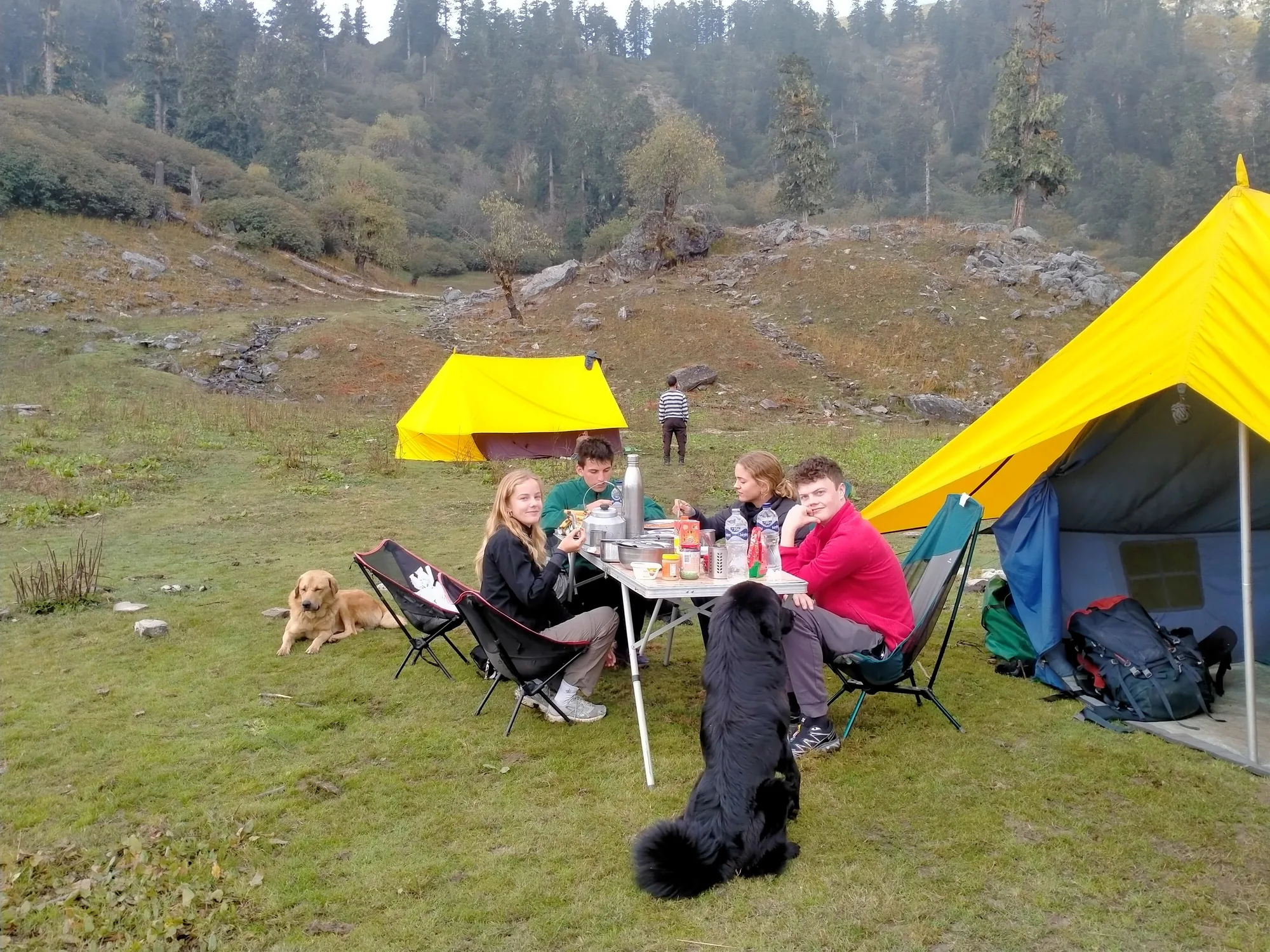
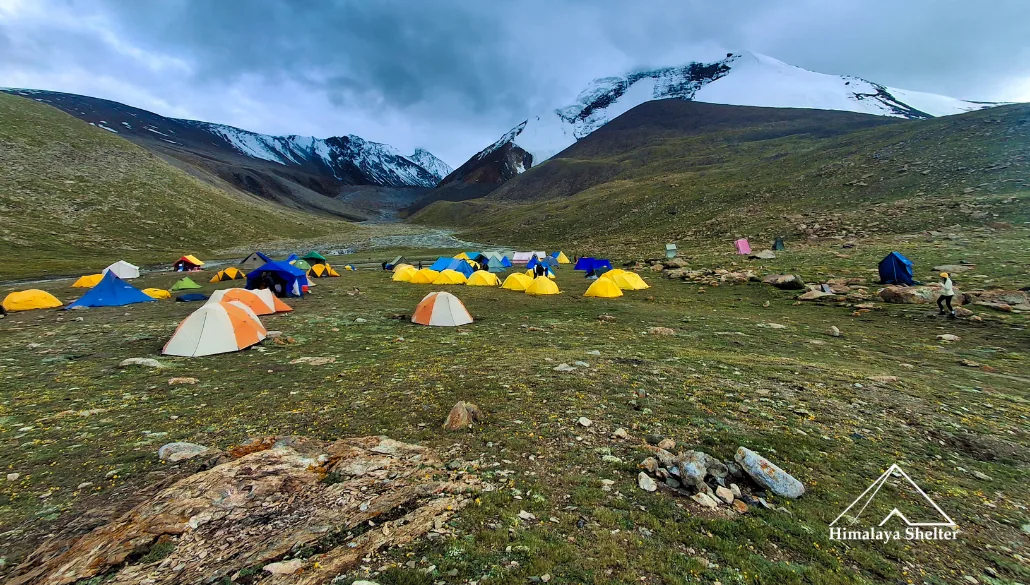
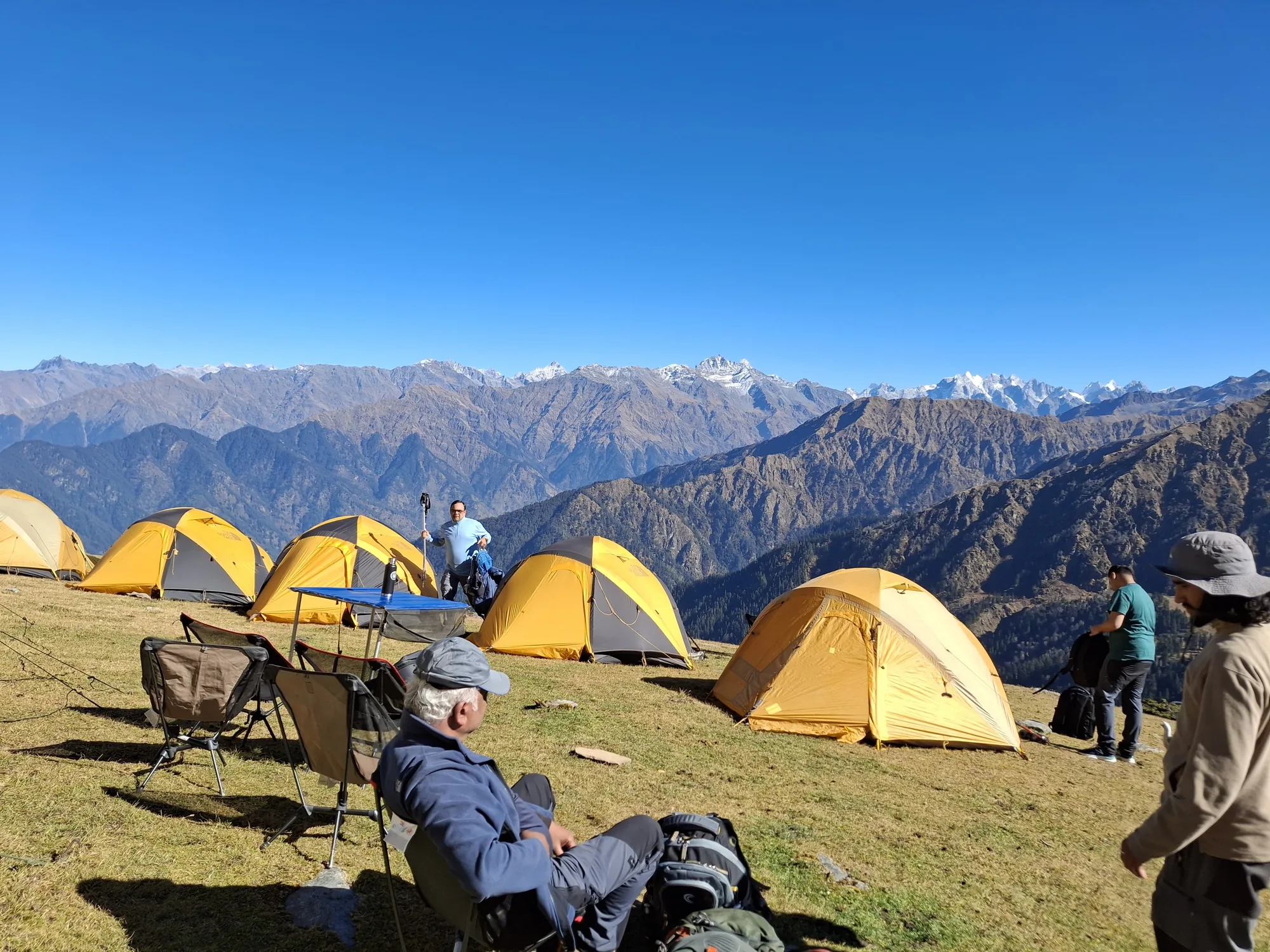
camping treks

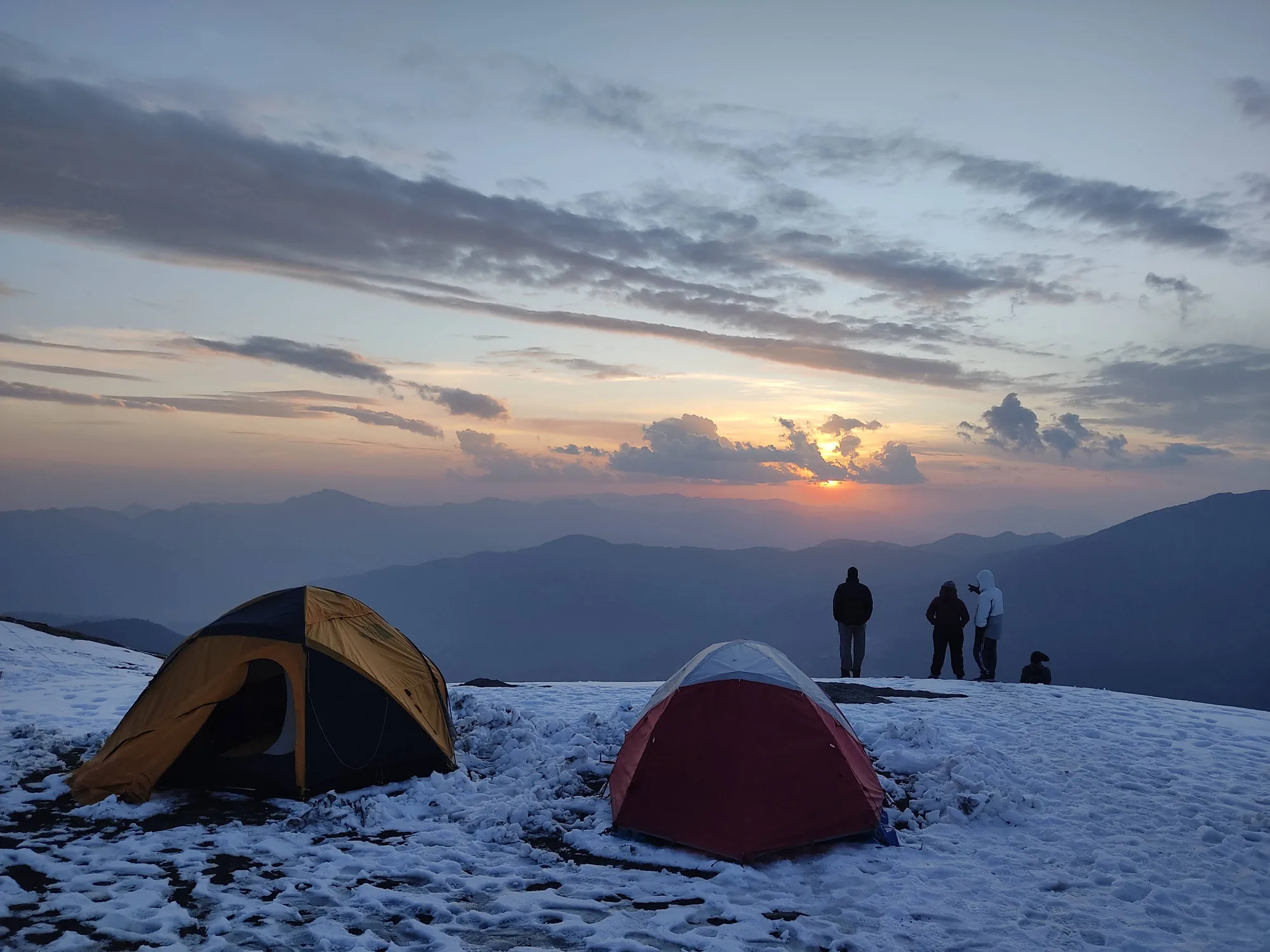
A camping trek takes you into areas where permanent accommodation is limited or unavailable. Trekkers stay in tents at established or temporary campsites.

Depending on the trek, camping equipment, food, cooking supplies, and other gear may be carried by trekkers, porters, horses, or a support team.

Camping treks are ideal for exploring remote parts of the Himalayas where there are fewer villages and roads. Nights around a campsite can also become one of the most memorable parts of the journey.

Examples: Buran Ghati Trek, Pin Bhaba Pass Trek, Rupin Pass Trek, and several remote treks in Uttarakhand and Himachal Pradesh.

Best for: Trekkers looking for a deeper wilderness and camping experience.

7. Alpine Trek

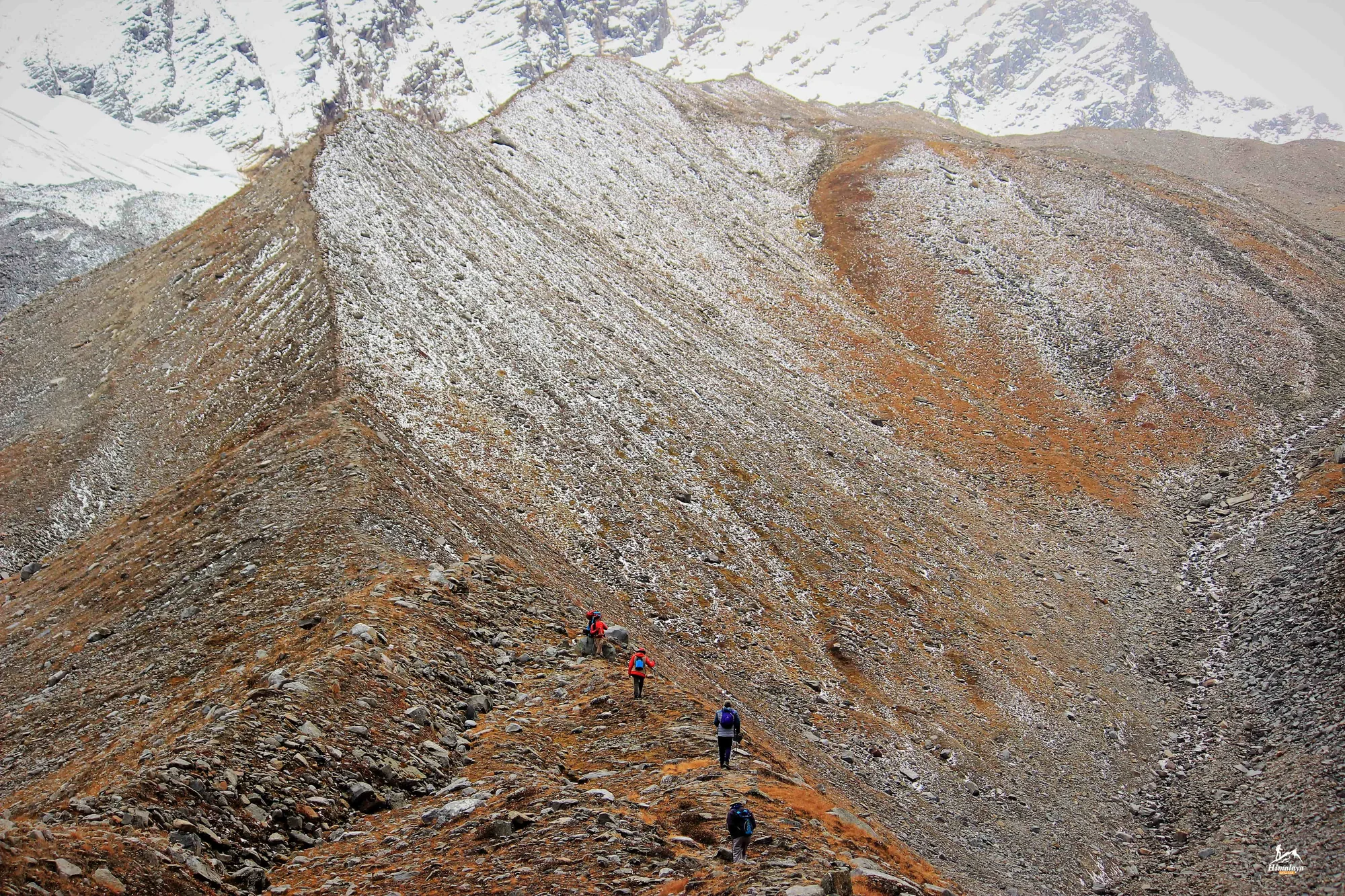
alpine treks

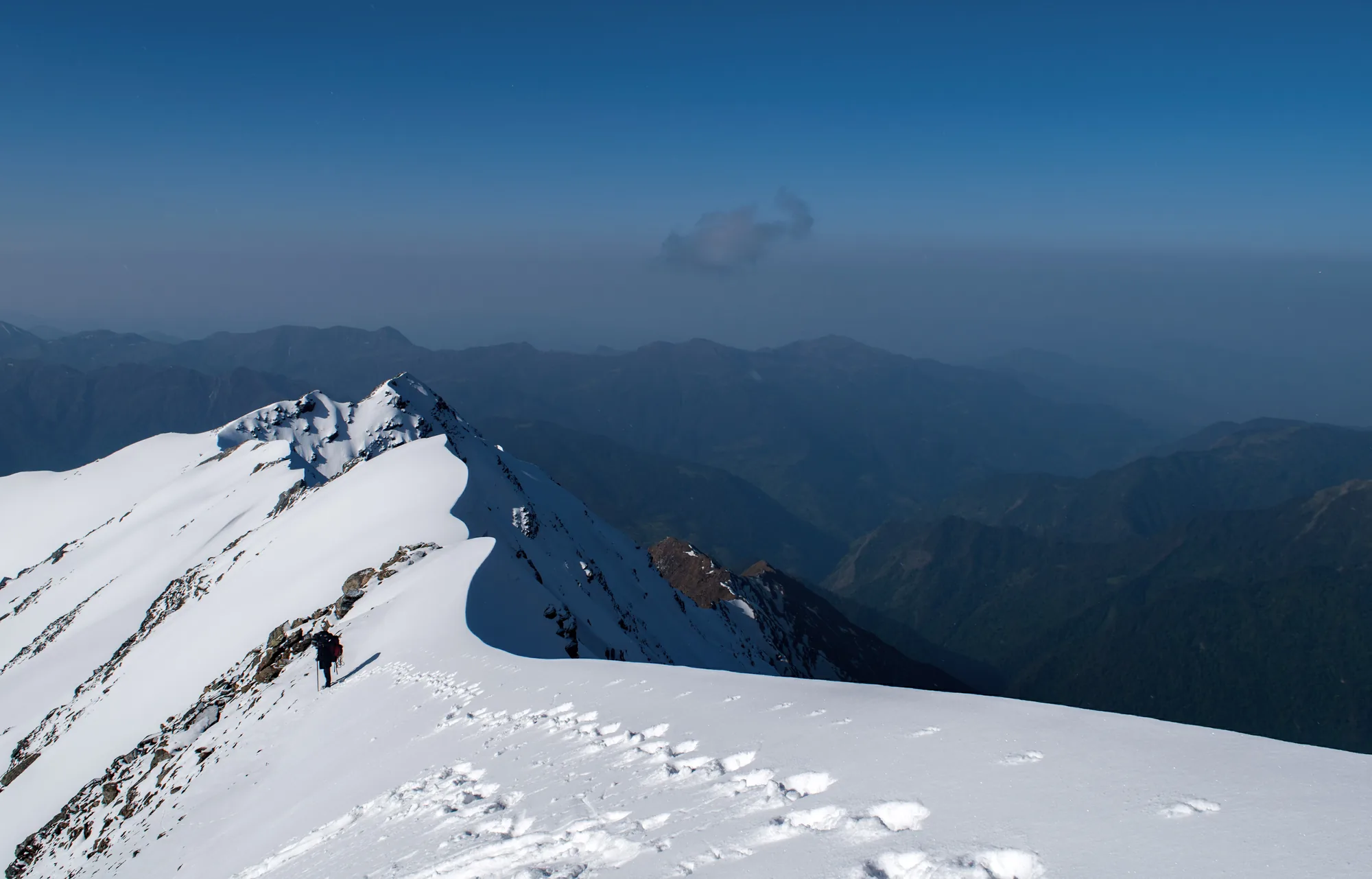
An alpine trek takes place in high mountain environments, often above the tree line. The landscape can include alpine meadows, rocky slopes, snowfields, glaciers, and high mountain passes.

These treks are generally more demanding because of altitude, cold weather, unpredictable conditions, and challenging terrain. Some alpine routes remain non-technical, while others may involve sections requiring specialized mountaineering skills.

Examples: Bali Pass Trek, Pin Parvati Pass Trek, and Auden's Col Trek.

Best for: Experienced trekkers looking for remote, high-altitude mountain landscapes.

Types of Treks Based on Terrain

The landscape and terrain are another way to classify different types of trekking experiences.

8. Valley Trek

miyar valley trek

A valley trek follows a mountain valley and usually passes through forests, rivers, villages, meadows, and high-altitude landscapes.

Valley treks can range from beginner-friendly trails to challenging high-altitude routes. The overall difficulty depends on elevation, distance, weather, and terrain.

Examples: Har Ki Dun Trek, Miyar Valley Trek.

Best for: Trekkers who want to explore valleys, forests, villages, and mountain landscapes.

9. High-Altitude Trek

high-altitude kanamo peak trek

A high-altitude trek takes you to elevations where reduced oxygen levels become an important consideration. As altitude increases, the body needs time to adapt, making proper acclimatization essential.

These treks may include high mountain passes, alpine lakes, glaciers, or high camps. Physical preparation, gradual ascent, hydration, and awareness of altitude-related symptoms are particularly important.

Examples: Kanamo Peak Trek, Parang La Trek, and high-altitude treks in Ladakh and Himachal Pradesh.

Best for: Experienced and well-prepared trekkers comfortable with high elevations.

10. Pass-Crossing Trek

bali pass trek

A pass-crossing trek involves crossing one or more mountain passes during the route. These treks are often challenging because reaching a pass can involve steep climbs, rocky sections, scree, snow, and significant altitude gain.

The reward is spectacular panoramic scenery from the top of the pass, often offering views across multiple valleys and mountain ranges.

Examples: Lamkhaga Pass Trek, Bali Pass Trek, Rupin Pass Trek, and Pin Parvati Pass Trek.

Best for: Experienced trekkers looking for a challenging Himalayan adventure.

Types of Treks Based on Duration

Trekking does not always mean spending a week or more in the mountains. Routes can range from a few hours to several weeks.

11. Day Trek

day trek

A day trek is completed within a single day without an overnight stay.

These treks are a good introduction to hiking and can be ideal for travelers who have limited time. Depending on the route, a day trek can be an easy forest walk or a demanding summit hike.

Examples: Kunjapuri Trek, Khaliya Top Trek, and George Everest Trek.

Best for: Beginners, families, weekend travelers, and people with limited time.

12. Weekend Trek

weekend trek

A weekend trek generally takes two to three days and offers a quick escape from city life.

Weekend treks are particularly popular among working professionals who cannot take a long break but still want to experience the mountains.

Examples: Nag Tibba Trek, Kerari Lake Trek, and short treks around Uttarakhand and Himachal Pradesh.

Best for: Beginners, working professionals, and short adventure trips.

13. Long-Distance Trek

long treks

A long-distance trek can take several days or even weeks to complete. These routes cover considerable distances and may cross multiple valleys, villages, forests, and mountain passes.

Long-distance trekking requires better physical preparation, planning, and mental endurance. The longer you stay away from roads and urban areas, the more important logistics and preparation become.

Examples: Great Himalaya Trail, Phulara Ridge Trek, and Fachu Kandi Pass Trek.

Best for: Experienced trekkers who enjoy extended mountain adventures.

Types of Treks Based on Difficulty

14. Beginner-Friendly Trek

beginner-friendly treksBeginner-friendly treks generally have shorter walking days, moderate elevation gain, well-defined trails, and relatively manageable terrain.
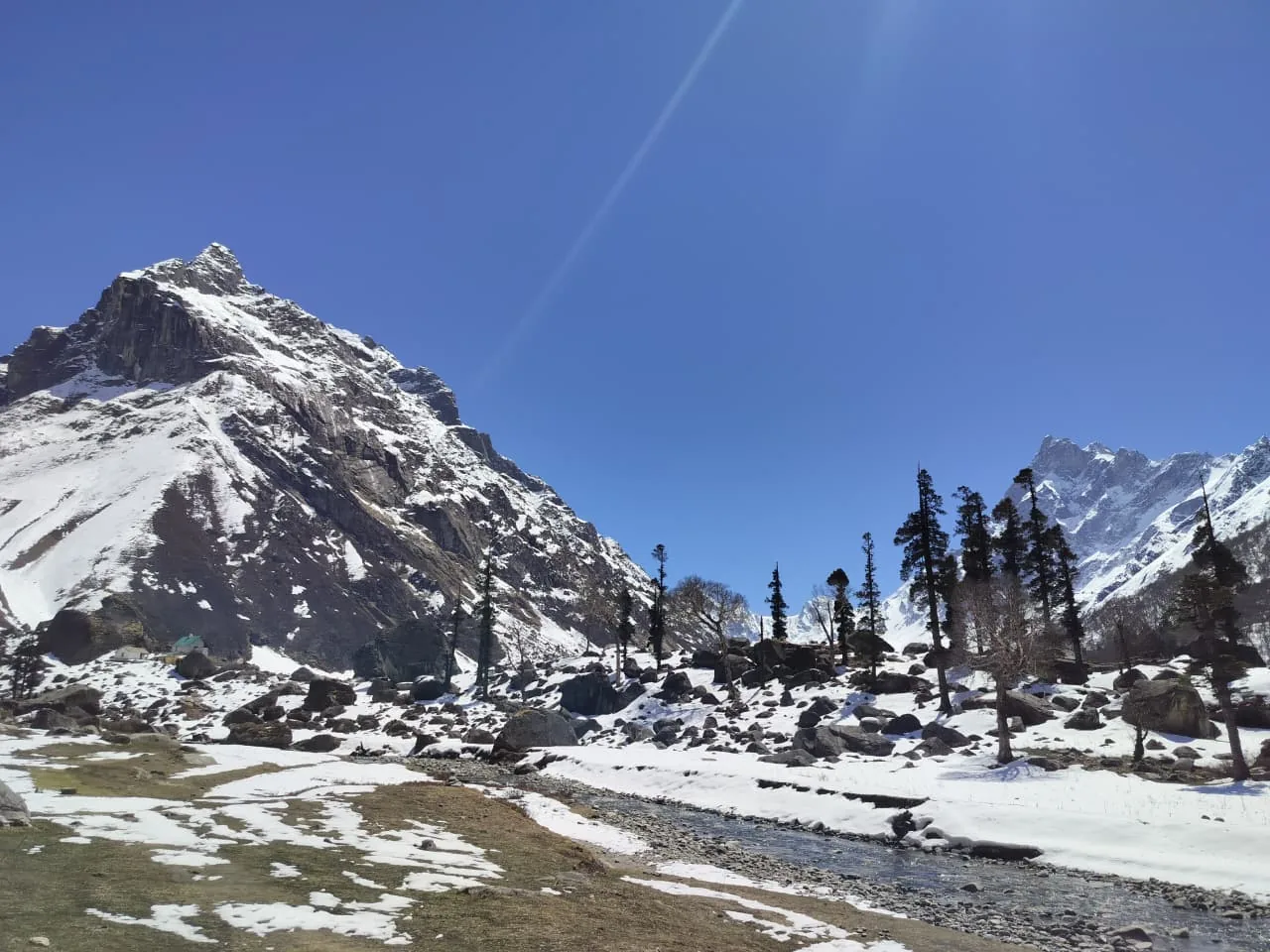
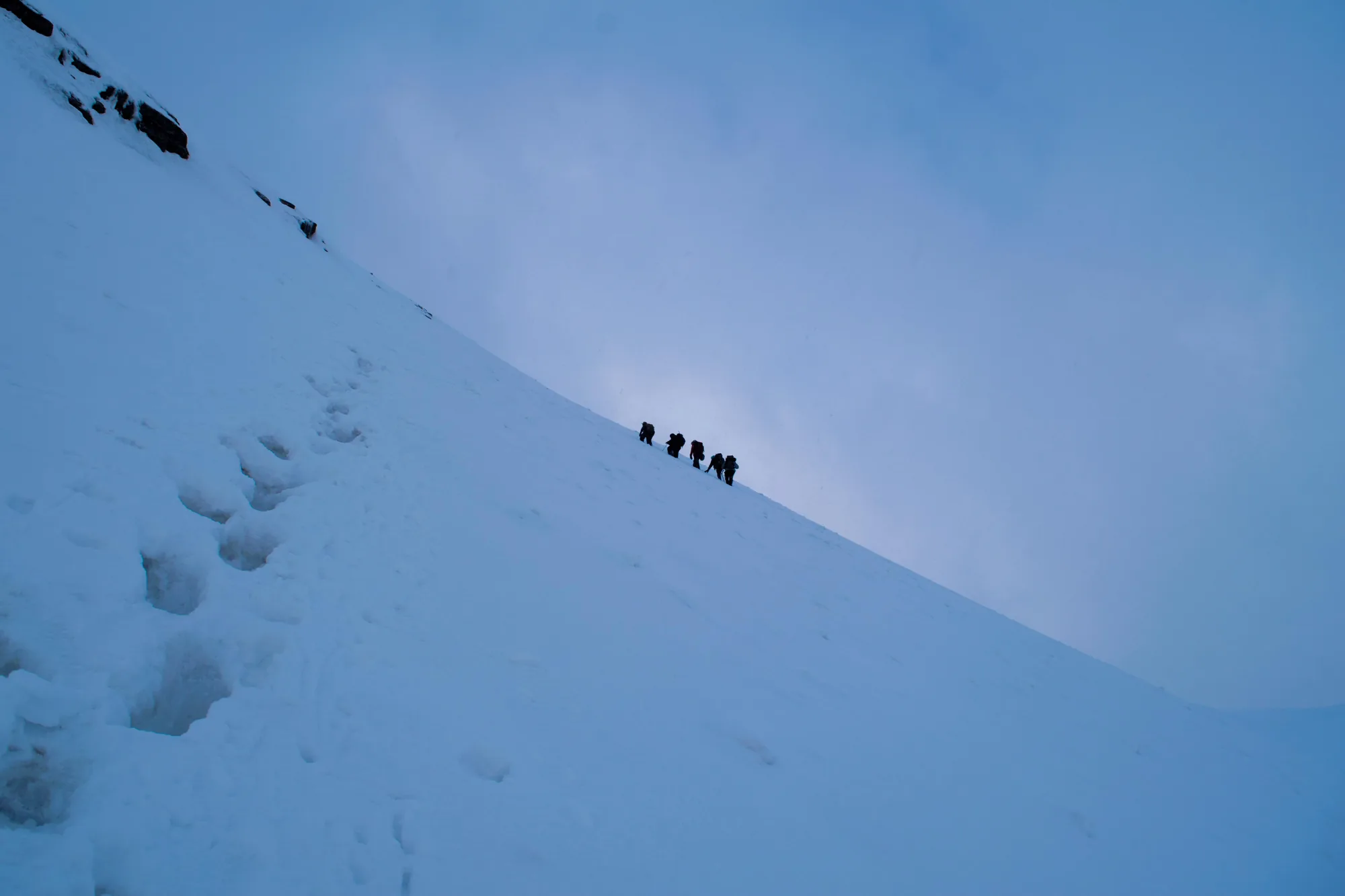
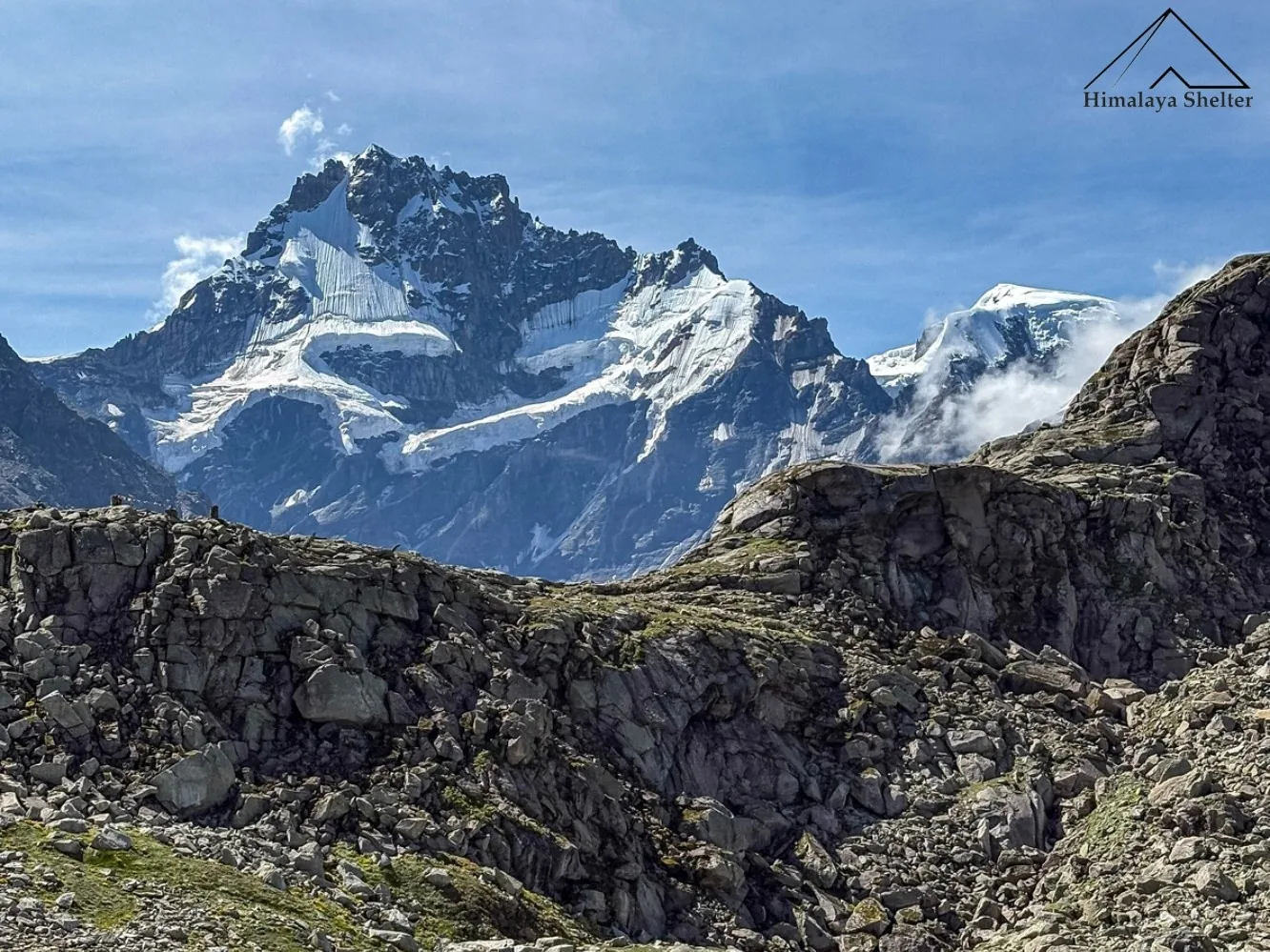
They are suitable for beginners with a reasonable level of fitness. However, even an easy trek requires basic preparation, proper footwear, suitable clothing, water, and sun protection.

Examples: Deoria Tal Trek, Nag Tibba Trek, Aancha Top Trek and easy sections of Dayara Bugyal.

15. Moderate Trek

har ki dun trek

Moderate treks involve longer walking days, steeper climbs, higher elevations, or more varied terrain.

Previous hiking experience can be helpful, but many moderate Himalayan treks are achievable for beginners who prepare properly.

Examples: Har Ki Dun Trek, Brahmatal Trek, and Ranthan Kharak Trek.

16. Difficult Trek

types of treks

Difficult or challenging treks can involve high altitude, steep ascents and descents, long walking days, difficult terrain, snow, river crossings, or high mountain passes.

These routes require proper physical preparation and careful planning. Depending on the route, specialized equipment, technical skills, or an experienced trekking team may also be necessary.

Examples: Bali Pass Trek, Pin Parvati Pass Trek, and Pangarchulla Peak Trek.

Types of Treks Based on Trekking Style

17. Guided Trek

types of treks

A guided trek is completed with the support of a professional guide or trekking team.

A guide can help with navigation, route planning, local knowledge, logistics, safety, and communication with local communities. Guided trekking is particularly useful on remote and challenging Himalayan routes.

Examples: Bali Pass Trek, Dhumdhar Kandi Trek, and Hampta Pass Trek are commonly undertaken as guided group or private treks.

Best for: Beginners, first-time Himalayan trekkers, and people exploring challenging or unfamiliar routes.

18. Independent Trek

different types of treks

An independent trek is planned and completed without an organized trekking group or professional guide.

Trekkers are responsible for navigation, permits, accommodation, food, equipment, weather planning, and emergency arrangements. This gives experienced hikers more flexibility, but it also requires greater responsibility.

Examples: Markha Valley and some established trekking routes in Nepal and Ladakh can be undertaken independently, subject to local regulations and permit requirements.

Best for: Experienced trekkers who are comfortable managing their own logistics.

19. Group Trek

types of trekking

A group trek involves trekking with other participants, either friends and family or people joining an organized group.

Group trekking can be a social experience and provides companionship throughout the journey. It can also be helpful on longer or challenging routes where having a trekking team adds support.

Examples: Kedarkantha Trek, Hampta Pass Trek, and Valley of Flowers Trek are popular group trekking routes.

Best for: Solo travelers who want company, first-time trekkers, and people who enjoy meeting fellow adventurers.

Types of Treks Based on Purpose

20. Summit Trek

types of treks

A summit trek focuses on reaching the top of a mountain or peak.

Not every summit trek requires technical climbing. Some peaks can be reached through trekking routes, while others require ropes, climbing equipment, or specialized mountaineering skills.

Examples: Kedarkantha Trek, Chandrashila Trek, and Kanamo Peak Trek.

Best for: Trekkers who enjoy the challenge and satisfaction of reaching a summit.

21. Cultural Trek

types of treks

A cultural trek combines mountain landscapes with opportunities to experience local communities, traditions, villages, temples, monasteries, and regional lifestyles.

These treks allow travelers to understand how people live in remote mountain environments while enjoying the surrounding landscapes.

Examples: Markha Valley Trek, Har Ki Dun Trek, and Annapurna Circuit Trek.

Best for: Travelers interested in both Himalayan scenery and local culture.

22. Wildlife and Nature Trek

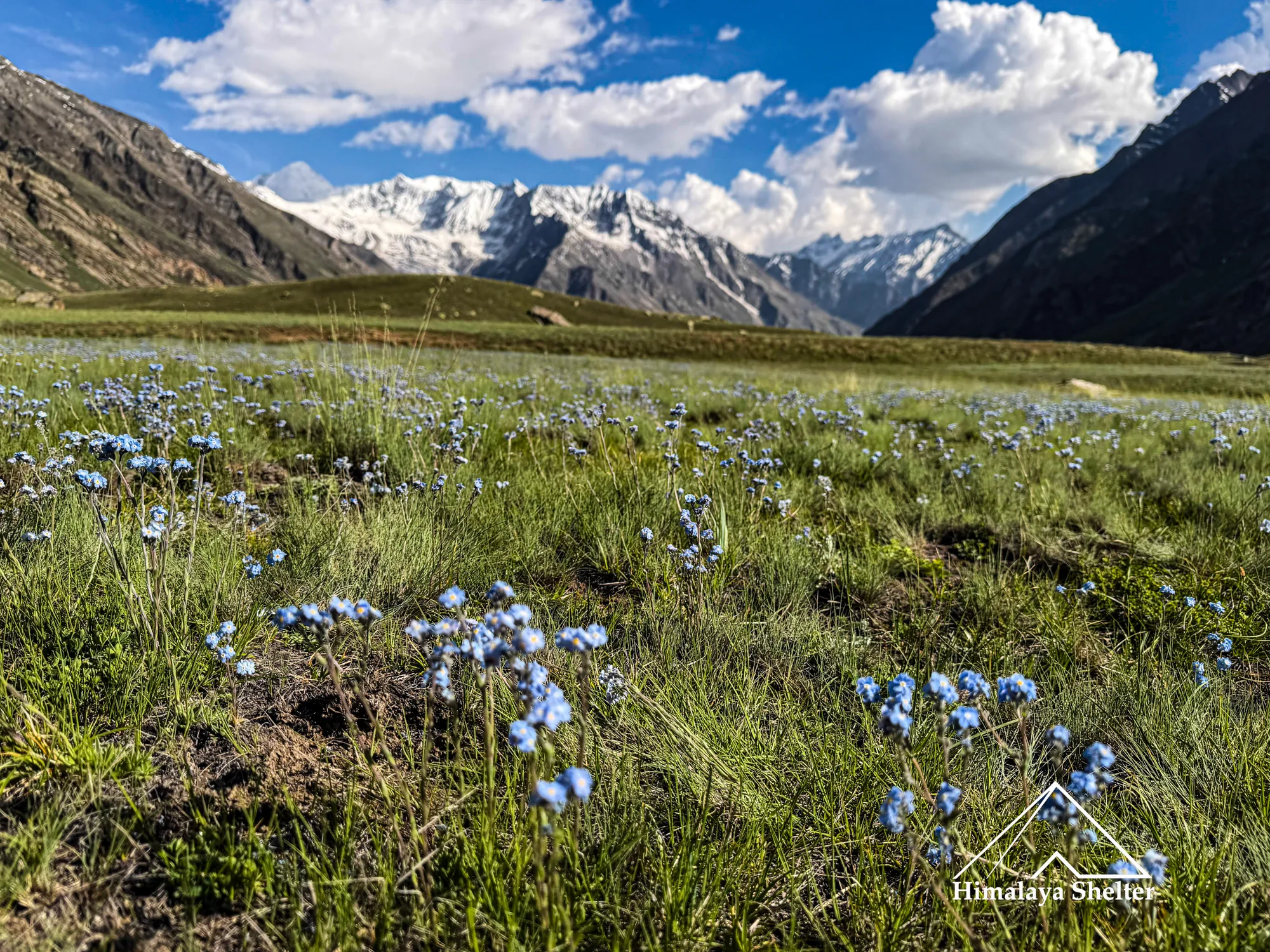
valley of flowers trek

A wildlife trek combines trekking with opportunities to observe birds, animals, plants, and natural ecosystems.

These routes often pass through forests, protected areas, national parks, and remote wilderness. The main attraction is not necessarily reaching a high summit but experiencing the natural environment along the trail.

Examples: Binsar Wildlife Sanctuary Trek, Valley of Flowers Trek, and wildlife trails in Himalayan protected areas.

Best for: Nature lovers, photographers, birdwatchers, and travelers interested in Himalayan biodiversity.

How to Choose the Right Type of Trek

With so many types of trekking experiences available, choosing the right one depends on your fitness, experience, time, and personal preferences.

If you are new to trekking, start with an easy or moderate trek such as Nag Tibba, Deoria Tal, or another beginner-friendly Himalayan trail. If you prefer comfort, a tea house trek may be more suitable than a camping expedition.

For people looking for a more adventurous experience, camping, high-altitude, alpine, or pass-crossing treks offer a greater challenge. However, these routes require better preparation and should be chosen according to your experience and fitness.

Your available time is another important factor. A day or weekend trek works well for a short break, while a long-distance trek requires several days or even weeks.

Most importantly, choose a trek based on what you want to experience. Whether your goal is mountain views, adventure, solitude, photography, culture, wildlife, or simply spending time away from city life, there is a Himalayan trek for you.

Final Thoughts

The world of trekking is much more diverse than simply walking from one mountain village to another. From point-to-point and circular treks to tea house, camping, alpine, high-altitude, and pass-crossing treks, each route offers a different way to experience the mountains.

Beginners can start with easy day or weekend treks, while experienced adventurers can take on demanding high-altitude passes and remote alpine routes. For those looking for comfort, tea house trekking provides accommodation along the trail, while camping treks offer a deeper wilderness experience.

The best trek is ultimately the one that matches your fitness level, experience, available time, and adventure goals. Choose your route carefully, prepare well, respect the mountains, and enjoy every step of the journey.

Frequently Asked Questions About Types of Treks

What are the main types of treks?

The main types of treks can be classified according to route, accommodation, terrain, duration, difficulty, trekking style, and purpose. Common examples include point-to-point treks, circular treks, tea house treks, camping treks, alpine treks, high-altitude treks, summit treks, and pass-crossing treks.

What is the difference between a point-to-point trek and a circular trek?

A point-to-point trek starts at one location and finishes at another, while a circular trek returns to the starting area using a different route. A circular trek usually offers more variety without requiring trekkers to repeat the same trail.

What is a tea house trek?

A tea house trek is a multi-day trek where trekkers stay in local lodges, tea houses, guesthouses, or homestays along the trail instead of camping. It is popular on established trekking routes in the Himalayas.

Are high-altitude treks suitable for beginners?

Some high-altitude treks can be suitable for beginners with proper preparation, but routes involving very high elevations, difficult terrain, or mountain passes require greater experience and fitness. Beginners should choose a route according to their fitness and previous trekking experience.

What is the best type of trek for beginners?

Easy day treks, short weekend treks, and beginner-friendly moderate routes are generally a good starting point. Nag Tibba, Deoria Tal, and similar trails can help beginners develop basic trekking experience before moving on to longer and more challenging Himalayan routes.