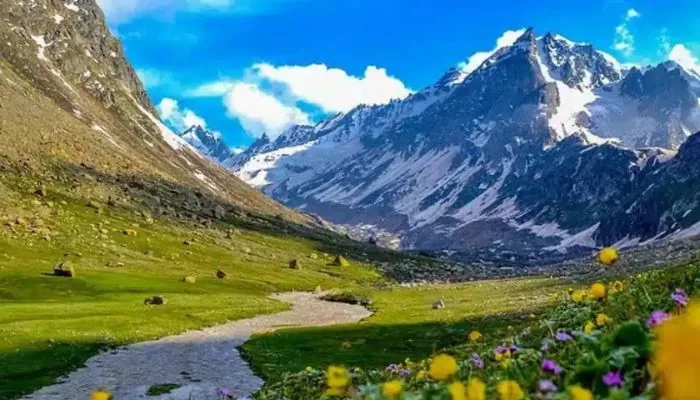
The best time for a trek in the Hampta Pass area is during the summer season (the first half of July), known as the beginning of the trekking industry. This season offers people in their twenties or thirties some of the most exciting experiences.
HAMPTA PASS SCOPE OF TREKKING
- Freezing temperatures on sunny days
- Heavy amounts of snow accumulated near the pass
- Multiple snow bridges and soft spots for inexperienced trekkers
- Wonderful opportunity for people who want snow but do not want technical climbing.
Temperature
- During the daytime, 12 degrees Celsius to 18 degrees Celsius
- During the night, 0 degrees Celsius to 5 degrees Celsius
Why June is an ideal time to trek for Beginners & first-time trekkers
- Moderate difficulty trail with many well-marked paths
- All risks associated with the trail will be handled by the experienced trek leaders
- Beginner trekkers will learn how to walk in the snow and cross the river
PROS OF TREKKING HAMPOTA PASS IN JUNE
- Beautifully scenic snow-covered landscapes
- Stunningly beautiful mountain landscapes
- Comfortable temperatures while the sun is out
CONS OF TREKKING HAMPOTA PASS IN JUNE
- Colder at night than in the daytime
- River crossings can be very difficult
- Good waterproof clothing equipment is a requirement for safe hikes through this terrain
HAMPTA PASS JUNE RECOMMENDATION:
In June, you can experience snow, but this will also be a challenging trekking experience.
Monsoon Season (Mid-July to August) – Is Hampta Pass Trek Safe?
The monsoon season is the most controversial period for trekking Hampta Pass (mid-July to August).
Heavy Rainfall
- Frequent rain in the Kullu Valley.
- The trails become wet and slippery.
Landslide Risk
- Increased risk of landslides.
- High risk of landslides on the approach road to Manali.
- Delays and cancellations are common due to landslides.
River Crossings
- Rivers along the route are swollen with heavy rain.
- The river crossings along the route may become unpredictable and dangerous.
Who Should Avoid
- All beginners and first-timers
- Those who wish to trek alone (solo trekker)
- Anyone who is uncomfortable with uncertainty
HAMPTA PASS MONSOON RECOMMENDATION:
The Hampta Pass trek is not recommended for anyone unless they have extensive experience and can be flexible in their plans.
Post-Monsoon / Autumn Season (September to October) – Best Views
Best Views Post-monsoon/AUTUMN SEASON = SEPTEMBER+OCTOBER
September is frequently deemed one of the best months to do the Hampta Pass trek.
SKY CONDITIONS
- Very clear, with a large number of mountain views.
- Vast visibility of Lahaul’s barren landscape.
SNOW CONDITIONS
- No or very little snow at the pass area.
- Walking conditions are easier.
TEMPERATURE
- Daytime temperatures will be between 10 and 15 degrees Celsius.
- Night temperatures will be between -2 and 3 degrees Celsius.
PHOTOGRAPHY
- Golden open grasslands.
- Bright blue skies.
- Extreme contrast between the greenery of Kullu and the browns of Lahaul.
HAMPTA PASS POST-MONSOON / Autumn RECOMMENDATION:
- Hampta Pass trekking in September provides the safest, most breathtaking views and the maximum amount of comfort.
Hampta Pass Trek Weather and Temperature by Season