How We Ensure Your Safety During a Trek | Himalaya Shelter
How We Ensure Safety on Every Trek at Himalaya Shelter
Trekking in the Himalayas is an experience that stays with you for a lifetime. The mountains offer incredible landscapes, peaceful trails, challenging climbs, and a chance to disconnect from everyday life. But behind every beautiful Himalayan trail are real challenges such as changing weather, high altitude, steep terrain, cold temperatures, and remote locations.
At Himalaya Shelter, we believe that a great trek is not just about reaching the destination. It is about enjoying the journey while making responsible decisions at every step.
Safety is therefore an important part of everything we do. From planning the route and preparing our trek leaders to monitoring weather and checking on trekkers during the trek, we take several measures to make every Himalayan trekking experience as safe and comfortable as possible.
Here is how we work to ensure safety on our treks.
Safety Begins Before the Trek
A safe trek starts well before the first step on the trail.
Before every trek, our team carefully plans the route and studies the terrain, altitude profile, weather conditions, campsites, water sources, road access, and possible challenges along the trail. We also consider seasonal conditions because the same route can be very different in summer, monsoon, autumn, and winter.
Experienced Trek Leaders and Local Teams
A Himalayan trail can change quickly, and having an experienced team makes a significant difference.
Our trek leaders and local support teams are familiar with the routes they operate on. They understand the terrain, altitude changes, weather patterns, campsites, and local conditions.
A trek leader's responsibility is not simply to lead the group from one point to another. They need to keep an eye on the entire team, maintain a suitable pace, communicate important information, and make responsible decisions when conditions change.
Proper Acclimatization at High Altitude
Altitude is one of the most important factors to consider during Himalayan trekking.
As you travel to higher elevations, the amount of oxygen available decreases. The body needs time to adjust to these conditions, which is why acclimatization is an important part of high-altitude trekking.
At Himalaya Shelter, we plan our itineraries with altitude gain and rest in mind. We avoid unnecessary rushing and give trekkers appropriate time to adapt to changing elevations.
Regular Health Checks on the Trail
Every trekker responds differently to altitude, weather, and physical exertion.
Someone who feels perfectly fine at the beginning of a trek may feel tired or uncomfortable after gaining significant altitude. This is why we regularly check in with our trekkers throughout the journey.
Our trek leaders observe the group's pace, energy levels, and general well-being. Trekkers are also encouraged to communicate if they are experiencing any unusual symptoms or difficulty.
Weather Monitoring
Mountain weather is unpredictable.
Clear skies in the morning can sometimes change into rain, snowfall, strong winds, or poor visibility within a short period. Conditions can become particularly challenging at higher elevations, exposed ridges, and mountain passes.
Weather conditions are therefore an important part of our daily decision-making.
Our team keeps track of weather conditions before and during the trek. Based on the situation, the day's schedule or route may be adjusted.
Safety Briefings for Trekkers
Good communication is an important part of trekking safety.
Before starting the trek, our team explains the basic safety guidelines and what trekkers can expect on the trail. This includes information about the route, walking pace, altitude, weather, hydration, equipment, group discipline, and emergency procedures.
First-Aid and Emergency Preparedness
Even with careful planning, unexpected situations can happen in the mountains.
For this reason, our trek teams carry first-aid supplies and prepare according to the requirements of the particular trek. The equipment and arrangements can vary depending on the altitude, terrain, duration, and remoteness of the route.
Before a trek, we also consider possible emergency situations and the available evacuation options.
This includes understanding road access, nearby medical facilities, local support, communication possibilities, and potential evacuation routes.
We Take Altitude Sickness Seriously
Altitude sickness is one of the major concerns during high-altitude trekking.
It can affect anyone, including people who are physically fit and experienced trekkers. Fitness can help you handle the physical demands of trekking, but it does not guarantee protection from altitude-related problems.
This is why we take symptoms seriously.
If a trekker develops signs of altitude sickness, our team assesses the situation and decides the safest course of action. Depending on the condition, this may involve rest, stopping further ascent, or descending to a lower altitude.
One of the most important things we tell trekkers is simple:
Never be afraid to turn back.
Turning around is not a failure. In the mountains, knowing when to stop can be one of the smartest decisions you make.
Staying Together on the Trail
Himalayan trails can include steep climbs, narrow sections, loose rocks, snow, mud, river crossings, and other challenging terrain.
For this reason, we encourage trekkers to remain with the group and follow the designated trail.
We Keep Emergency Evacuation in Mind
Many Himalayan trekking routes pass through remote areas where road connectivity and medical facilities may be limited.
Because of this, emergency evacuation needs to be considered as part of the overall trek planning.
Our team keeps information about possible evacuation routes, roadheads, local assistance, and nearby medical facilities in mind while preparing for a trek.
The exact response depends on the location, weather, trail conditions, and nature of the emergency.
Our priority is always to assess the situation, provide immediate assistance within our capabilities, communicate with the necessary support, and arrange the safest possible evacuation when required.
Trekkers Also Have a Role in Safety
Trekking safety is a shared responsibility.
While our team takes care of route planning, logistics, guidance, and emergency preparedness, trekkers also need to take responsibility for their own preparation.
Before a Himalayan trek, we recommend regular walking, cardiovascular exercise, and strength training for the legs and core. For longer treks, training with a backpack can also help your body adjust to carrying a load over uneven terrain.
During the trek, simple habits can make a big difference.
Stay hydrated. Eat properly. Get enough rest. Dress according to the weather. Follow the instructions of your trek leader. Most importantly, communicate if you are not feeling well.
Your trek leader can help you only when they know what you are experiencing.
Basic First Aid Information that is Important when Going Mountain Climbing. Embarking on a high-altitude trek would be a thrilling opportunity if one follows the cornerstone precautions required for a trek, but it also is a package of various challenges and hardships. The following article will give the reader an idea of what are the pre requisites one should follow before and during the trek. In this post, we will shed light on some of the important aspects like what you should know before going for a high-altitude trek, how to prepare yourself for the high-altitude trek, what all gears do you need for the high-altitude trek, acclimatization techniques, what if case of an emergency and several other important pointers that you should keep in mind when heading for a high-altitude trek.
Physical Preparation
Fitness and Endurance Training
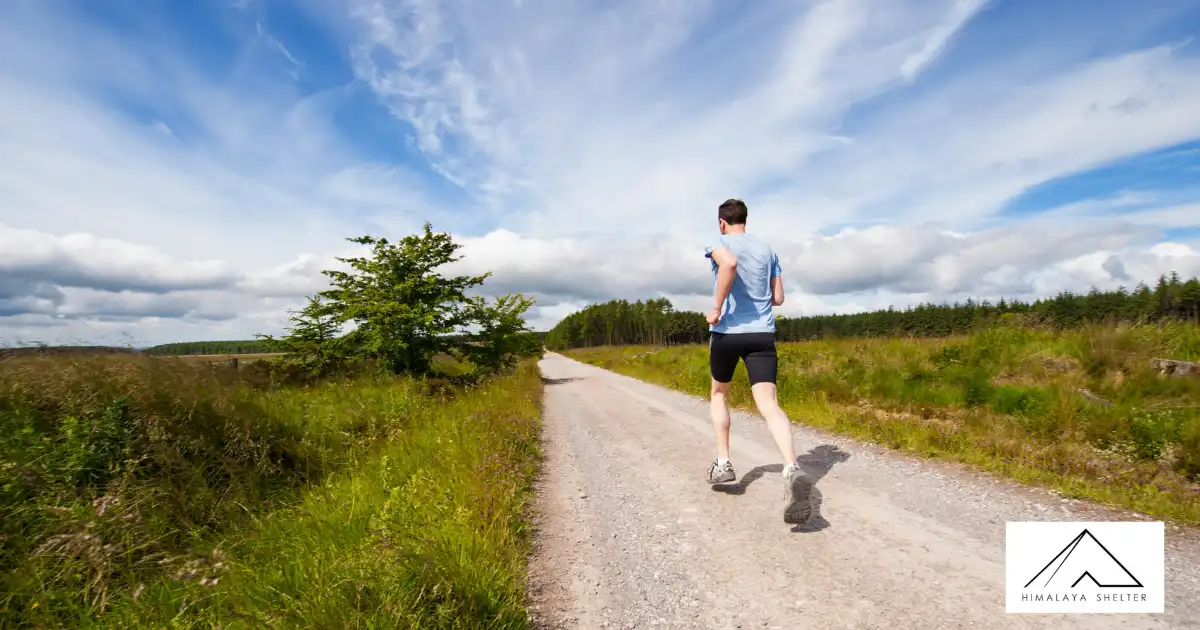
Cardiovascular Fitness: Most likely you would want to take part in cardio exercises such as running, cycling or swimming on a regular basis to be able to develop the fitness needed for those long hours trekking. Cardiovascular exercise for a minimum of 30mins 5x weekly. Other types of exercise that could improve your cardiovascular endurance include; Interval training.
Preparing For A Trek
Keep your core, legs and back strong with compound movements such as squat, lunge, and deadlift. Make sure you do strength training at least three times a week to build the strength and endurance of muscles, but beware not to neglect upper body strength exercises like push ups and pull ups as the backpack will strain your shoulders and arms.
Hiking Practice: To be accustom with the conditions, you can make nice practice by walking on tracks with backpack. Take your backpack sometimes with increased weight step by step to have a sense how weighted you will be on the trekking. And make summer or spring time long distance walk practices in order to have experience.
Flexibility and Balance
Yoga and Stretching: Yoga and various stretching exercises can be done to increase flexibility and balance of a player and therefore come up with a lower chance of injury. Some of the yoga asanas are Downward Dog Pose, Warrior Poses, and Tree Pose. Pre or Post workouts or hiking we use stretch to reduce any chances of muscle pull and increase on muscle recovery time.
Headaches, nausea, dizziness, fatigue or shortness of breath should indicate that one has to stop and rest in order to avoid the worst. These early signs if detected can help one avoid serious altitude sickness. The signs and symptoms of serious circumstances such as HAPE and HACE include confusion, difficulty in walking and a chronic cough.
Prevention: Go up step by step for your body to adapt itself to the new heights. Make sure you do not climb more than 300-500 vertical meters in a day once you are above the 3,000-meter level-a recommendation known as the ‘climb high, sleep low’ rule. It is recommended to spend a few days at some intermediate altitude before going even higher. Drinking plenty of water and do not consume alcohol that could worsen the condition of the dehydrated body. Acclimatization Schedule
Rest Days: It is important that you incorporate some rest during your trekking for example, you should consider taking some days without trekking to enable time to accommodate the altitude. These days should be taken to gently move or do some slight exercise as well as take short walks in order to acclimatise.
Hydration and Nutrition
Drink enough water and also ensure that you maintain a balanced diet for your body to undergo the process of acclimatization. Take up to six small meals a day, each meal must be rich in carbohydrates, this is so they would be easy to digest and the energy would be readily available.
Essential Gear
Essential Trekking Gear
Clothing Layering System:
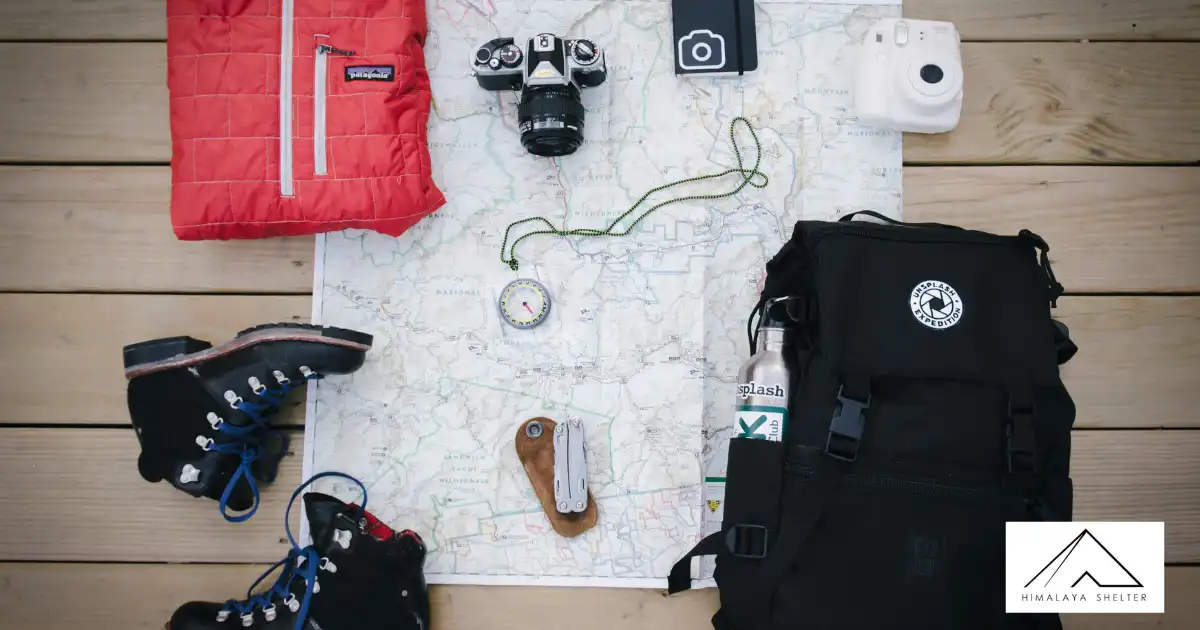
Layering is suggested as the management of body temperature. Divide into base layers that pull away moisture, next layers thinking about insulation like fleece or down, and last layers that are waterproof and windproof. Select fabrics that do not take long to dry and that insulate without having to overly thicken the fabric.
Footwear: Make sure you use the best quality and perfectly fitting trekking boots with good support to the ankles. Wear them before the trek to allow your shoes to adjust to your feet eliminated blister formation. Look for a waterproof boot that has a breathable membrane so that your feet do not sweat while your feet are wet.
Equipment
Backpack: Appropriate and comfortable backpack to carry gears along with enough space for multi-days treks, 30–50-liter volume. Consider the following points such as: soft and spongy like straps, inclusion of a belt that goes round the waist, and multiple pockets.
Sleeping Bag: Select a sleeping bag that will be adequate for the environmental conditions in terms of temperature. Finally, down sleeping bags are light in weight, exceptionally warm, comfortable and do not absorb moisture. Your sleeping bag should also be lightweight but at the same time should be able to accommodate you well.
Trekking Poles: These may help in minimizing the stress on the knees, and provide better support when you are in terrain with a bad surface. Folding is said to be more convenient especially in areas with different terrains and can be dismantled when not required.
Navigation and Safety
GPS Device
Maps and GPS:
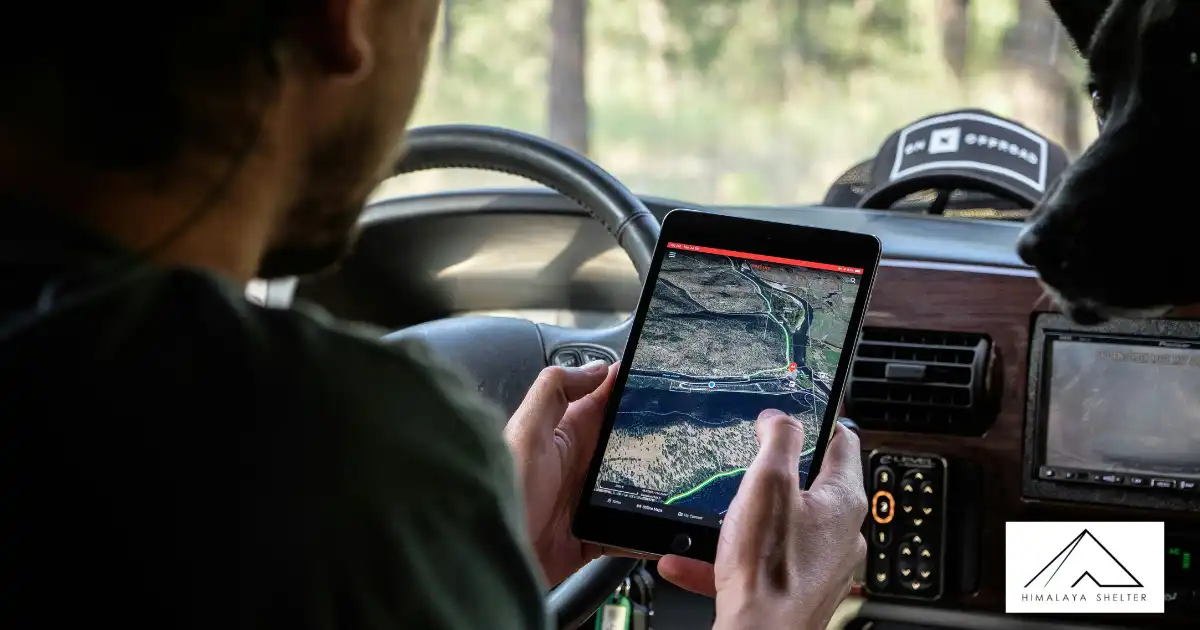
It is advised to take along precise maps of the area where you plan to trek and a GPS or a smartphone with the maps preloaded in addition to the regular marked maps. Decide on map reading skills on topographic maps as well as using a compass as an additional tool.
First Aid Kit:
This should comprise of things such as bandages, wipes that have antiseptic, pain relievers, blister treatments and persons particular medication. Things like a space blanket, scissors, and a whistle are other essentials that should be taken in the car.
Communication Devices:
So, it can be a necessity to have a satellite phone or even two-way radio when getting lost in the region that has no signal in the mobile terminals. Check on your communication equipment to ascertain that they have battery charge to the full or better have extra batteries and power banks.
Nutrition and Hydration
High-Energy Foods:
Carry along snack which are light but rich in energy, for instance; fruits, nuts, chocolate, energy bars among others. These give a quick energy boost and they do not have to be eaten with a plate and fork and knife.
Balanced Meals:
Make sure that you are eating a little of carbohydrate foods, proteins and fats in order to maintain energy through the day. Discuss here dehydrated meals, the type of food that can be packed in a bag, and are quite easy to prepare when required.
Water Purification:
Bring a filter or a couple of purification tablets for water if you want to be sure in water quality. Categorized by type, the advantages of portable water filters such as the Sawyer Mini or Steripen are lightweight and portable.
Hydration Packs:
Hydration bladder having a drinking tube lets a person to drink while using his or her hands at work. It is recommended to have minimum 3-4 liters of water per day and more, if the climate is hot.
Weather Awareness & Forecasts
Make sure to monitor weather changes especially for the area you are planning to trek before the event and while at it. Websites like Mountain-Forecast. Based on values analyzed at com, particular peaks are expected to be projected at an enhanced degree of detailed. Understanding Weather Patterns: It is also important to know average weather and certain signs of bad weather. Formation of clouds and cold downdrafts followed by different types of wind movements are some of the signs of an upcoming storm.
Dealing with Weather Changes
Layering:
Modify the number of white or light-coloured clothing items worn based on temperature regulation and to avoid getting wet. Pack your waterproof and windproof layers optimistically in your backpack so that they are easy to access.
Shelter:
Be able to construct emergency shelters within the shortest time when there is change in the weather condition. Climb and descend to learn how to pitch your tent or tarp so that it feasible under sneaker weather.
Real-Life Scenario:
While on a trekking expedition in the Himalayas a group of trekkers were attacked by a snow storm. Their precautions ranged from having layered clothing, to knowing how to set up emergency shelters that would ensure they waited out the storm till it was safe to proceed.
Emergency Procedures Emergency Contacts
Local Authorities:
This is important, especially when one is joining an already running shift , have the contact information of the rescue services and authorities on hand. Optimal to grasp how to ask for assistance in the remote regions.
Emergency Care and First Aider CPR and Basic First Aid
Make sure that you and your family members have basic understanding of cpr and other first aid measures for minor and major emergencies. Sign up for a wilderness first aid course for certified first aid training.
Altitude Sickness Treatment:
Be familiar with the operating of drugs, such as acetazolamide (Diamox) and knowing when to go down to a lower altitude. It is always advisable that you carry a simple version of a first aid guide for quick lookup of ailments.
Group Safety Measures During a Trek
Buddy System
Trekking in Pairs: It helps to always go for hiking with one other person. The buddy system also makes sure that help will be near when there is an accident that may happen. Develop habit of mutual checking, particularly if a person starts to become weary or is affected by mountain sickness.
Regular Check-ins:
Remind each other frequently of the conditions of the high altitude, and if anyone is showing symptoms of altitude sickness. It is advisable to practice assigning a few minutes for a stand-up meeting at every halt so that you can highly recommend the overall wellbeing of the group and regulate the next part of the hike.
Group Dynamics:
Pace Management:
Should ensure that the speed you set, is one that the slowest member of the group can cope with. This particular makes sure that everyone stays together and prevents the situation where one has to run and get left behind.
Decision-Making:
Make decisions together with everyone in mind and this include their health as well as their safety. Overall, people should have a specific communication plan and decide on who or what function takes the lead when a decision has to be made.
Motivation Tips:
As a means of encouraging proper behaviours, positive reinforcement accompanied by encouragement should be implemented. This means that one should set quantifiable and measurable work targets that are easy to achieve so that morale is not likely to dip. Ensure that all the group members are heard and express positive things to create a good atmosphere.
Responsible Trekking Is Part of Safety
Safety is not only about protecting people. It is also about respecting the mountains.
The Himalayan ecosystem is fragile, and irresponsible tourism can cause long-term damage to trails, forests, water sources, and local communities.
At Himalaya Shelter, we encourage trekkers to avoid littering, reduce plastic waste, respect local customs, and leave campsites and trails clean.
We believe that responsible trekking creates a safer and better experience for everyone—including future trekkers and the communities that call the Himalayas home.
Our Priority: Bring You Back Safely
The Himalayas are beautiful precisely because they are wild, powerful, and unpredictable. No trekking company can completely eliminate the natural risks involved in exploring high mountains.
What we can do is prepare carefully, understand those risks, monitor changing conditions, and make responsible decisions throughout the trek.
At Himalaya Shelter, safety is built into every stage of the trekking experience—from route planning and experienced trek leaders to acclimatization, weather monitoring, health checks, first-aid preparedness, and emergency planning.
For us, a successful trek is not simply one where you reach the summit or complete every kilometre on the itinerary.
A successful trek is one where you experience the mountains, make wonderful memories, respect the environment, and return home safely.
Because the greatest achievement on a Himalayan trek is not just reaching the destination. It is coming back with memories you will want to relive for years to come.